GUEST BOOK REVIEW by Christa Carmen: Reluctant Immortals

Reluctant Immortals

Gwendolyn Kiste
Genre: Horror, Gothic
Publisher: Saga Press
Publication Date: 8.23.2022
Pages: 317

For fans of Mexican Gothic, from three-time Bram Stoker Awardโ€“winning author Gwendolyn Kiste comes a novel inspired by the untold stories of forgotten women in classic literature–from Lucy Westenra, a victim of Stokerโ€™s Dracula, and Bertha Mason, from Charlotte Brontรซโ€™s Jane Eyre–as they band together to combat the toxic men bent on destroying their lives, set against the backdrop of the Summer of Love, Haight-Ashbury, 1967.

Reluctant Immortals is a historical horror novel that looks at two men of classic literature, Dracula and Mr. Rochester, and the two women who survived them, Bertha and Lucy, who are now undead immortals residing in Los Angeles in 1967 when Dracula and Rochester make a shocking return in the Haight-Ashbury district of San Francisco.

Combining elements of historical and gothic fiction with a modern perspective, in a tale of love and betrayal and coercion, Reluctant Immortals is the lyrical and harrowing journey of two women from classic literature as they bravely claim their own destiny in a manโ€™s world.

When I was a teenager, I read Jane Eyre. I also read Rebecca, The Castle of Otranto, The Mysteries of Udolpho, The Haunting of Hill House, Dracula, The Picture of Dorian Gray, Wuthering Heights, and every other classic Gothic novel I found on either my motherโ€™s or the local libraryโ€™s shelves. Like a lot of teen-aged girls obsessed with these types of novels, I pictured myself as the protagonist of each, descending to the abbey basement, journeying to an ancestral home, exploring the secret dungeon or attic or passageway beneath the floorboards. I was Jane learning her true identity, the second Mrs. de Winter gazing upon Manderley for the first time, Eleanor Vance drinking from her cup of stars. But hereโ€™s the thing: many of these women werenโ€™t actually great role models to aspire to, or even appropriate โ€œcostumesโ€ to try on. Their autonomy, their ability to be the heroine of their own story, was a carefully orchestrated illusion. Jane was a pawn for Mr. Rochester. Emily St. Aubert was imprisoned in Castle Udolpho by Signor Montoni. Isabella was persecuted and traumatized by generations of men whoโ€™ve ruled Otranto. In fact, I would be far, far removed from my adolescence before I found a pair of Gothic heroines truly worthy of my aspirations; I thank Gwendolyn Kiste, and her gorgeous novel, Reluctant Immortals, for finally delivering them to me.

Bertha, or โ€œBee,โ€ Mason and Lucy Westenra fight back, take control, have teeth (no pun intended). They possess true autonomy in that they drive the events of their story. These are not your motherโ€™s or your childhood librarianโ€™s gothic heroines. They are far more powerful than either Edward Fairfax Rochester or Count Dracula ever were. And thatโ€™s one of Gwendolynโ€™s many talents: writing her female characters in a way that naturally balances the scales. Theyโ€™re believable in their actions, admirable in their strength, understandable in their motivesโ€”and their flaws. Gwendolyn captures all the magic and beauty and excitement (not to mention the eeriness, dread, and horror) of Gothic novels with none of the misogynistic stifling of her characters. And her prose? Do we even bother talking about Gwendolynโ€™s prose in reviews of her work anymore? Itโ€™s transcendent (examples: โ€œThe pool glitters in the moonlight, the shape of a teardrop, blue and spotless as a phony lagoon from a movie set,โ€ and โ€œThe rest of me turns to dust, and I canโ€™t hold on to the urn anymore. It falls through my crumbling fingers, shattering into a thousand pieces on the floor. Overhead, Draculaโ€™s muddy form smears across the ceiling before dripping down to meet himself, the parts of him mingling together, his body becoming stronger, while mine becomes nothing at all. I wonโ€™t watch him now. I close whatโ€™s left of my eyes and let the darkness rush in to greet me.โ€). Her weaving of words is on a whole other level.

Some novels canโ€™t help but sacrifice pacing for characterization and language, but Reluctant Immortals is not one of them. One of my favorite sections of the novel (and there are many) was Bee and Lucyโ€™s arrival in San Francisco with Daisy, a young hitchhiker interested in helping them locate Jane Eyre after sheโ€™s inadvertently loosed some of Draculaโ€™s ashes on Los Angeles. Itโ€™s right about the dead-center of the narrative, and yet it screams forward with as much momentum as the womenโ€™s Buick ricocheting up the 101. And the stakes (again, no pun intended) only increase from there.

The showdown between Dracula and Lucyโ€”and Rochester and Beeโ€”is as fantastic and satisfying as one could hope for (and surprisingly biting in its humor at times… When Lucy considers breaking an end table to use on Dracula, he points out that itโ€™s Formica, to which Lucy replies, โ€œMaybe itโ€™s the ideal way to finish you. Death by tacky wood paneling.โ€). This climax is rife with decay and blood, secrets centuries in the making coming to light and vampires doing, well, what vampires do, and sucking the souls of innumerable victims. But the showdown also vibrates with originality and heart (Lucy and Dracula grappling atop the Golden Gate Bridge, ruin and rot against the โ€œpainfully quaintโ€ backdrop of Playland at the Beach), and the worthiness of these Gothic women as heroines strikes me all over again. Gosh, itโ€™s a joy to read about kickass, supernatural women banishing the classic monsters of our past.

โ€œThere are no Hollywood endings, not even in Hollywood,โ€ Gwendolyn writes. But with Reluctant Immortals, we do get a Hollywood ending, in a sense. Without spoiling anything, the idea that Lucy and Bee donโ€™t have to be monsters, despite coming from them, is a lifeline Iโ€™m more than willing to follow. There may still be โ€œgloom brimmingโ€ in our heroinesโ€™ hearts, but they have more than achieved what Gwendolyn set out for them to accomplish. Beeโ€™s story, โ€œthe one they tried so hard to stealโ€ from her, remains unwritten. Lucy is โ€œmore than just the girl who withers in… shadow.โ€ They are as immortal as Gwendolynโ€™s transcendent novel deserves to be.

Boo-graphy: Christa Carmen lives in Rhode Island, and is the author of the short story collection, Something Borrowed, Something Blood-Soaked. Her debut novel, The Daughters of Block Island, is forthcoming from Thomas & Mercer in fall 2023, and her second novel with the mystery, thriller, and true crime imprint will be out in the fall of 2024. Christa studied English and psychology at the University of Pennsylvania, has an MA from Boston College, and an MFA from the University of Southern Maine.

When she’s not writing, she keeps chickens, uses a Ouija board to ghost-hug her dear departed beagle, and sets out an adventures with her husband, and bloodhound/golden retriever mix. Most of her work comes from gazing upon the ghosts of the past or else into the dark corners of nature, those places where whorls of bark become owl eyes and deer step through tunnels of hanging leaves and creeping briers only to disappear.

A young woman’s fears regarding the gruesome photos appearing on her cell phone prove justified in a ghastly and unexpected way. A chainsaw-wielding Evil Dead fan defends herself against a trio of undead intruders. A bride-to-be comes to wish that the door between the physical and spiritual worlds had stayed shut on All Hallows’ Eve. A lone passenger on a midnight train finds that the engineer has rerouted them toward a past she’d prefer to forget. A mother abandons a life she no longer recognizes as her own to walk up a mysterious staircase in the woods. In her debut collection, Christa Carmen combines horror, charm, humor, and social critique to shape thirteen haunting, harrowing narratives of women struggling with both otherworldly and real-world problems. From grief, substance abuse, and mental health disorders, to a post-apocalyptic exodus, a seemingly sinister babysitter with unusual motivations, and a group of pesky ex-boyfriends who won’t stay dead, Something Borrowed, Something Blood-Soaked is a compelling exploration of horrors both supernatural and psychological, and an undeniable affirmation of Carmen’s flair for short fiction.
GUEST POST: Paul Flewitt

Horror: An Origin Story

Hello, and Happy Halloween to all the readers of Meghanโ€™s House of Books. Yup, its that time of year again, where Meghan allows me to come here and do a thing. So, I thought Iโ€™d have you all sit around the campfire and offer a bit of a short history lesson. Some of you might already know all this, but some might not. Here goesโ€ฆ

Any writer worth his salt is also a historian of the genre they write in. In an effort to understand how the genre works, what makes our writing that suitable for that genre, what the rules were from the outset and how theyโ€™ve changed and developed over time. We search with a rabid knowledge-lust to find out exactly where we came from, in a similar way someone might research their familial history.

Horror isnโ€™t any different, especially in a world where the genre is constantly being divided into categories and sub-categories. We go back to move forward, discover where our cues came from and how we can best serve what weโ€™re doing ourselves. By their own admission, Stephen King and Ramsey Campbell would scarcely have been the same writers if not for HP Lovecraft, MR James, and writers of their ilk. So, I thought Iโ€™d offer a few thoughts on where I think horror came from, how it developed and who were the main players in its development. Be warned, thereโ€™s some left field ideas in here, but its all about the discussion. Disagreement is allowed in any debate.

Where to begin?

Well, I would arguably go back to written works like The Epic of Gilgamesh, Beowulf, and other ancient texts which document mythologies and spoken histories. Are they horror? Well, yes and no. My view is that there are elements of horror in all of them, alongside a heavy dose of fantasy. I would posit the notion that the earliest overt writers of horror did likely look to writings like these, if not those writing specifically, and take some inspiration from some of the stories told there. Remember, this is about finding the primordial ooze which gave rise to horror, and I think this is most likely where itโ€™s to be found. Some of the imagery in these texts is pure horror, and we still use those images today.

Homerโ€™s Illiad is, to my mind, the first real horror story. Like the ancient texts I referenced above, it is as much fantasy as horror, but I find the two genres are inextricably linked in many ways. There are many horrific moments in that work, and many tropes we still see in horror today. There are meek and mild maidens who rise to be badass warriors, there are evil antagonists who creep you out and make you want to see them die in messy ways, and sometimes Homer shows you those deaths. For an ancient Greek philosopher, Homer was definitely a hell of a horror writer.

Taking his cue from Homer, I would cite Dante Aleghieri. The Divine Comedy, and particularly the Inferno section, is truly overt horror. It gives us a view of Hell, and one manโ€™s trip through the seven levels of it. If we have to look hard to find horror DNA in the ancient texts I described, or in Homer, we certainly donโ€™t with Dante. There is beauty in the horrific, and Dante revels in its description. Is he the first true horror master, the grandfather and architect of it all? Well, Iโ€™ll leave that for you guys to debate.

Goethe is another one from a little later than Dante. His Faust poem has given rise to the term โ€œfaustian,โ€ which is a trope often used in horror. Clive Barker is a great proponent of the faustian pact trope, where a protagonist accepts a gift or an offer, only to be confronted with unforeseen and often horrific consequences. In Goetheโ€™s Faust, the title character makes a pact with Mephistopholes, or Mephisto in some translations, and finds he has actually sold his soul to the devil himself. Is this horror? Iโ€™d say so.

Another early writer who often saw beauty in the horrific is William Blake. Alongside his paintings, Blake was a polymath who certainly delved into the darker literary arts. His work is often cited by horror writers as an inspiration.

Which brings us to, quite likely, the more familiar architects. Iโ€™ve skimmed through several hundred years of history here, highlighting writers who shaped the future of what would become horror. When we hit the 19th century though, we see a massive shift in sensibilities and matters which suddenly become acceptable to write about. Horror, the supernatural and erotic are no longer the things of taboo they once were, particularly in Britain, where horror and science fiction seem to take root first and strongest.

Robert Louis Stevenson and Mary Shelley are perhaps the first real horror writers we would think of from this period. Stevenson wrote Jekyll and Hyde, which has all the hallmarks of horror and science fiction. There is a psychological element to both, as we witness a descent into madness for the main characters in both those works. For me though, itโ€™s Mary Shelley who truly broke the boundaries and addressed what horror would become later. Itโ€™s Shelley who confronted the idea that mankind may really be the monsters. I would ask, is Prometheus really the monster in Frankenstein, or is it the doctor who creates and abandons him? This is the question which horror writers wrangle a lot of the time, whether the monsters in their tales are archetypes for the worst of human traits, or whether mankind truly is portrayed as the monster for their treatment of anything they consider other. For me, Mary Shelley was the true risk taker of this generation, and her work certainly pushed the boundaries of taboo like few others dared.

Moving on to Bram Stoker, and the later 19th century writers. Stoker wrote Dracula, and we know what that one book gave rise to. Itโ€™s a franchise before anyone knew what such a thing was. Another taboo breaker, which gave us horror with a hint of the erotic. He provided another element to throw into the primordial ooze of the horror blueprint. I would also cite Lair of the White Worm too, which has elements of Lovecraftโ€™s weird fiction before such a term was ever coined.

Writers which may seem like left field choices here would be Charles Dickens and Arthur Conan Doyle. Although their work is not, in the strictest sense of the word, horror, there are certainly elements to be found in their stories. Hounds of the Baskervilles certainly leans heavily into our world, and Dickens was a great writer of ghost stories which he often incorporated into his studies of life in Victorian London. Both are more than worthy of deeper investigation.

Edgar Allan Poe needs no introduction, and is widely accepted as one of the true architects of modern horror. His poetry and short stories are the inspiration for many modern writers, with such absolute classics as The Pit and the Pendulum, The Masque of the Red Death, The Telltale Heart, Murders in the Rue Morgue, The Fall of the House of Usher, and so many, many more besides. He touched on so many different forms of horror that itโ€™s difficult to argue with anyone who asserts that Poe is among the most important writers of horror weโ€™ve had. I would tend to agree.

In the early to mid-20th century, horror still continued to burgeon. It was, however, branching out from the gothic sensibilities of the previous decades. Writers like HG Wells and Aldous Huxley were writing with a far more futuristic vision, imagining new worlds and visitations from warrior races from other planets. Some would call their writings science fiction, but there is certainly horror in there too. Tell me The War of the Worlds or Brave New World are not both works of horror. Shirley Jackson and MR James flew the flag for gothic horror and ghost at this time. Jacksonโ€™s The Haunting of Hill House, a staple which entertained and inspired for generations to come, while MR Jamesโ€™ short ghost stories are a staple diet for many modern writers trying to learn and hone the craft of creating atmosphere. But, the real trailblazer of this time was HP Lovecraft. Totally unappreciated at the time, Lovecraftโ€™s contributions and importance didnโ€™t gain popularity until the 60โ€™s and 70โ€™s, but his ideas have been the springboard for a good many writers since. Heโ€™s more than just the Cthulu mythos though. His ghost stories, tales of rats in the walls, and other gothic style stories are absolutely as important as the Old Ones stories.

All of these writers, in some way or another, have shaped horror in the last century. Without each of them, or some combination of them, we would not have had Ramsey Campbell, Robert Bloch, James Herbert, Stephen King, Clive Barker, and the other horror masters who have rightly taken their place in the pantheon in the years since. Horror writers like me look back on these creators in awe of their inspiration, their vision, their bravery to explore ideas which were certainly counter to societal conventions and often considered dangerous or immoral. Without that bravery, none of us would be here.

So, I raise a toast to all of those who went before. All any of us who write can hope for is that we honour their legacy, and keep the flames of their creations alive for the generations to come.

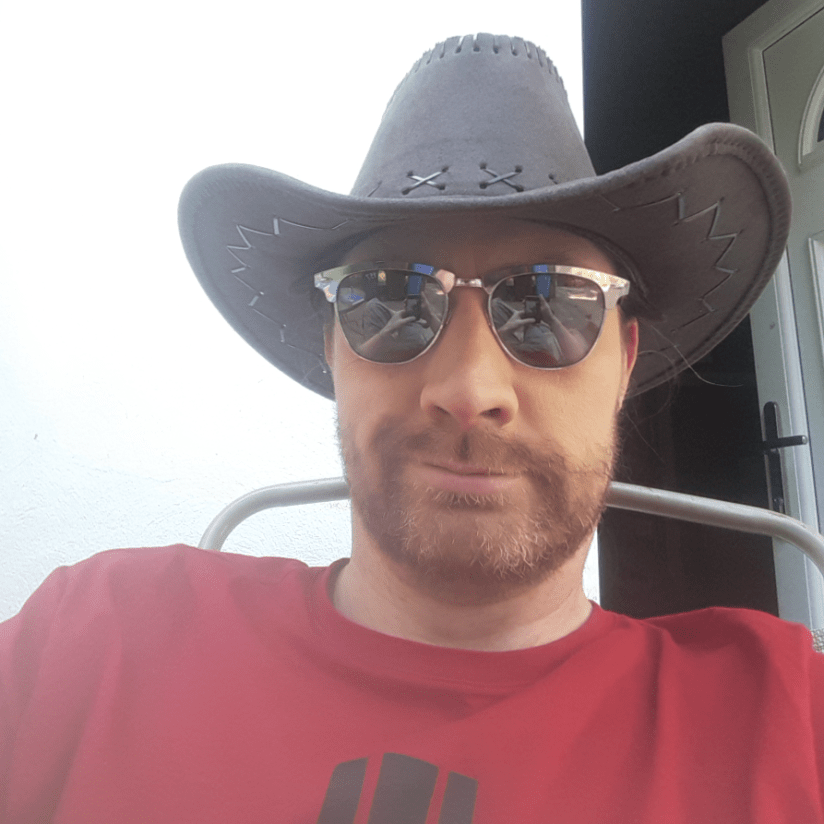
Boo-graphy: Paul Flewitt is a horror and dark fantasy writer from Sheffield, UK, where he lives with his wife and two children.

Paul began publishing in 2012, beginning with the flash fiction story, Smoke, for OzHorrorConโ€™s Book of the Tribes anthology. He went on to pen further short stories, including Paradise Park, Climbing Out, Apartment 16c and Always Beneath.

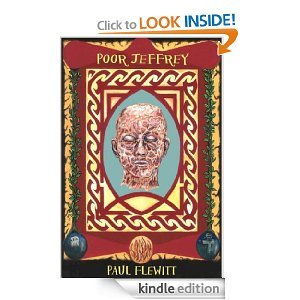
In 2012, he also published his first novel, Poor Jeffrey, which was received to much critical acclaim.

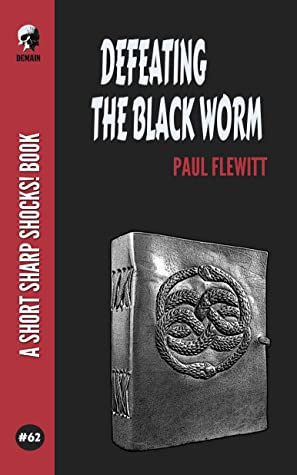
His novelette, Defeating the Black Worm, was released in 2021, through Demain Publishing.

Paul cites writers such as Clive Barker, Stephen King, James Herbert, and JRR Tolkien as inspirations on his own writing.

Paul continues to write, contributing to Matt Shawโ€™s The Many Deaths of Edgar Allan Poe anthology in 2020 with The Last Horror of Dear Eddie. He also began releasing free short stories and fanfiction on his Wattpad account for fun.

AUTHOR INTERVIEW: J.P. Choquette

Meghan: Hey J.P. Welcome back to our annual Halloween Extravaganza? What is your favorite part of Halloween?

J.P.: I love the dressing up and pretending to be someone else aspect. As a kid, playing dress up and imagining myself in different roles and situations was one of my favorite things to do. And of course, Reeseโ€™s Peanut Butter Cups.

Meghan: What is your favorite Halloween tradition?

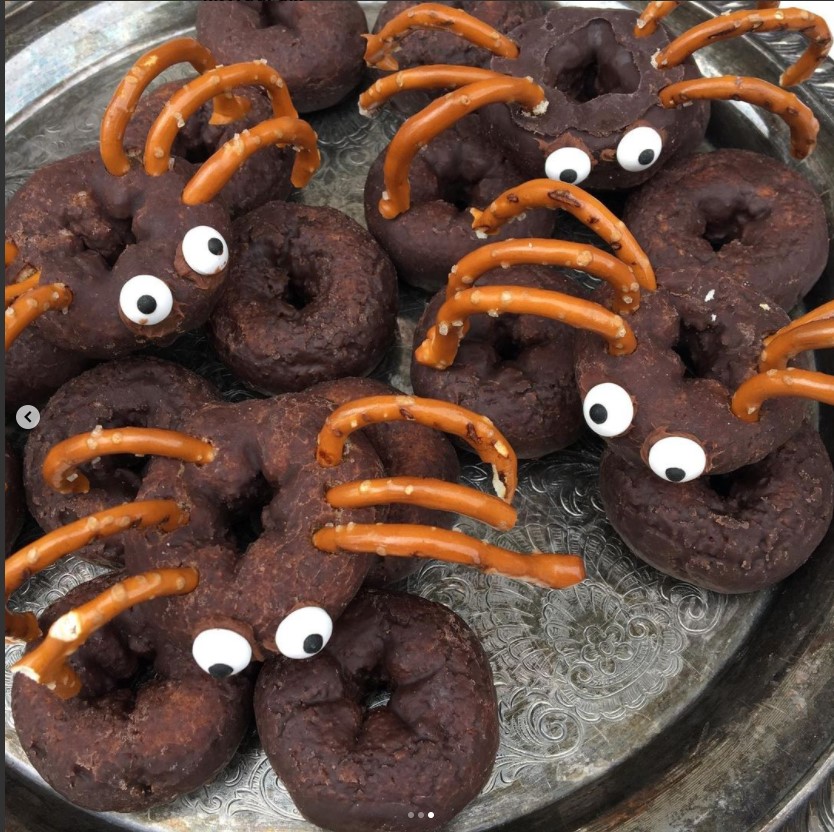
J.P.: Decorating the house with my husband and son is always fun. My very favorite part of that is standing down by the end of the driveway when weโ€™ve finished and looking at the lights/decorations. Last year (COVID) we werenโ€™t sure if trick-or-treating would be possible, so we had a big outdoor Halloween party with several families in our neighborhood and my sonโ€™s friends and families. It was a blast and I really enjoyed our creative Halloween-themed snacks (puking pumpkin was a hit but maybe not as much as the spider donuts).

Meghan: If Halloween is your favorite holiday (or even second favorite holiday), why?

J.P.: Halloween is toward the top of my list. I just love the idea of everyone connecting with their creative selvesโ€”the decorations, costumes, the fun of walking the streets in the dark with kids as they go door-to-door, the movies and books, candles and cozinessโ€”thereโ€™s a lot to love!

Meghan: What are you superstitious about?

J.P.: No superstitions here. ๐Ÿ˜Š

Meghan: What/who is your favorite horror monster or villain?

J.P.: I read Bram Stokerโ€™s Dracula for the first time a few years ago. While Iโ€™ve always been fascinated by the idea of vampires and their eerie transformation from person to blood-sucking-villain, this book made the idea so much more realโ€ฆand frightening. Highly recommend this bookโ€”the atmosphere Stoker created was incredible and the writing really beautiful.

Meghan: Which urban legend scares you the most?

J.P.: I read a scary book by Mary Higgins Clark when I was a teenager about a babysitter who was getting crank callsโ€ฆand realized they were coming from inside the house. I did a lot of babysitting back then and it was at the back of my mind from that point on! I have heard variations of this as an urban legend but am not sure which came firstโ€”the story or the novel.

Meghan: Who is your favorite serial killer and why?

J.P.: Ohhhh, I do not like serial killer stories at all.

Meghan: How old were you when you saw your first horror movie? How old were you when you read your first horror book?

J.P.: I saw Childโ€™s Play at a friendโ€™s sleepover party when we were in the third grade. I was terrified. Afterward, my little overactive imagination saw Chuckie everywhere I wentโ€”behind the shower curtain, in my closet, under the bedโ€ฆ.

My first horror book was Dean Koontz in high school, I think. I canโ€™t remember the title but there was some sort of supernatural monster in it. I love supernatural suspense and the type of horror that causes all the fear and dread without relying on gore.

Meghan: What is your favorite Halloween costume?

J.P.: I think it was the year I made a Bride of Frankenstein costume. I bought a big Marge Simpson-style white wig and spray painted it black (cutting out lightning bolts first to keep the hair underneath white). I made a dress from an old sheet and my husband helped with the makeup. It was fun and I loved the way it looked in the end.

Meghan: What is your favorite Halloween-themed song?

J.P.: I love Halloween songs! Thriller, Monster Mash, and Purple People Eater–theyโ€™re all great. My absolute favorite, though, is Little Red Riding Hood by Sam The Sham & The Pharaohs. Love it!

Meghan: What is your favorite Halloween candy or treat? What is your most disappointing?

J.P.: Iโ€™m a huge chocoholic so anything with chocolate is a yes for me. If itโ€™s paired with peanut butter (Reeseโ€™s PB cups or Butterfinger) makes it even better.

Meghan: Thanks for stopping by today, J.P. Before you go, what kind of Halloween books and movies are your go-to?

J.P.: Right now, Iโ€™m listening to Halloweโ€™en Party by Agatha Christie which Iโ€™m really enjoying. Anything gothic-y, dark, atmospheric, preferably set in the deep woods, a crumbling mansion, or a boarding school are my go-to choices for Halloweenโ€ฆand most of the rest of the year, too.


Boo-graphy:
Thriller author, J.P. Choquette, writes atmosphericย suspense novels with themes of nature, art, and folklore.

She started writing “books” when she was old enough to hold a crayon. These were held together with staples and left some painful scratches.ย 

In her career, J.P. has been a vet tech, a Montessori teacher helper, an administrative assistant, a case manager, and a buffet hostess, in no particular order. She’s been writing full-time since 2008.ย 

When she’s not working, you’ll find her sipping a hot beverage, reading, or in the woods with her family.ย 

Join her Readers’ย Clubย and get peeks into her writing life, upcoming releases, thriller book recommendations,ย and other treats for book lovers.

Website
Instagram

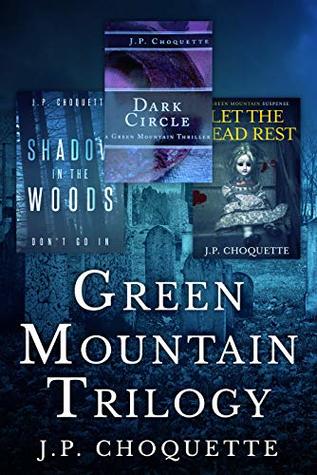
Green Mountain Trilogy:
Let the Dead Rest, Shadow in the Woods, Dark Circle

Combined for the first time, readers of J.P. Choquette’s Gothic tales of suspense will be riveted by The Green Mountain Trilogy.

In “Let the Dead Rest,” a strange doll makes her appearance in the life of Isabel Joven, an artist living out in the boondocks of Vermont. When strange things begin to happen, Isabel is drawn deeper and deeper into the doll’s frightening past, even as her own world starts to fall apart at the seams.

Readers are calling “Shadow in the Woods,” a “fast-paced, fun thriller,” and remarked that it “hits the accelerator and never lets up on the gas.” In it, two mental health counselors bring a small group of patients for an “ecotherapy” weekend in the wilds of the Vermont mountains. But when the group is forced to take refuge from a storm in a cave, sinister things begin to happen. Six go into the woods, but only three come out.

Sarah Solomon is recovering from a traumatic experience in “Dark Circle,” and moves to northwestern Vermont for a fresh start. But strange things are happening in the gated community where she and her husband live. When Sarah sees the “gray lady” in the woods, she’s unsure if it’s a ghost or a real person. As Sarah digs deeper into the community’s past, she discovers secrets that others want very much to stay buried.

Now available for the first time in a trilogy format, readers can enjoy a collection of Choquette’s most popular supernatural suspense titles. Fans of Ruth Ware, Lisa Unger and Peter Swanson will enjoy Choquette’s atmospheric, chilling tales packed with twists and turns. All three novels are set in rural or small town northwestern Vermont.

AUTHOR INTERVIEW: Lee Rozelle

Meghan: Hi, Lee. Welcome to Meghan’s House of Books and our annual Halloween Extravaganza. I’m excited that you decided to take part in this year’s frivolities. What is your favorite part of Halloween?

Lee: Watching frightened children in handmade outfits and pumpkin baskets lumber across the street in little hordes.

Meghan: What is your favorite Halloween tradition?

Lee: When I was a teenager, on Halloween we would get some of the kids together to roll Joeโ€™s yard. But the little rollers didnโ€™t know that Joe would be in his tree stand behind his house with a semiautomatic weapon. We would start rolling, and after a few minutes Joe would begin to fire his rifle into the air at a steady clip. At that point I would โ€œget shotโ€ and start screaming for help, gargling, whining, and rolling on the ground. It was really interesting to see who would come back and save me and who left me to die. The next year, of course, the kids who previously got punked would want to go โ€œroll Joeโ€™s yardโ€ to see the new kids run like hell.

No yard rollers were injured in the making of this prank.

Meghan: If Halloween is your favorite holiday (or even second favorite holiday), why?

Lee: In Alabama itโ€™s not necessarily cold during Halloween, but thereโ€™s wind, fog, and orange leaves. Itโ€™s very much a time of uncertainty, when people have the chance to take all of their beliefs and think, โ€œmaybe not.โ€

Meghan: What are you superstitious about?

Lee: Organ transplantation.

Meghan: What/who is your favorite horror monster or villain?

Lee: It would have to be Renfield in the 1931 Dracula. Never will I forget that laugh.

Meghan: Who is your favorite serial killer and why?

Lee: Not sure if she qualifies as a serial killer, but hereโ€™s the most compelling case that Iโ€™ve puzzled over:

Amy Bishopโ€”The Crazy Professor Amy Bishop, a biology professor at the University of Alabama in Huntsville, shot and killed three faculty members and wounded three others on February 12, 2010. In March of 2009, Bishop was denied tenure, which meant spring 2010 would be her last semester to be employed by the university. During a faculty meeting, Bishop stood up and began shooting those closest to her with a 9mm handgun – execution style. Bishop didn’t have a permit to carry a concealed weapon, and she was in total denial after the event. She didn’t believe her colleagues were really dead. The day of the shooting, students claimed she seemed perfectly normal. On September 11, 2012, Bishop pleaded guilty to one count of capital murder and three counts of attempted murder in order to avoid the death penalty. On September 24, 2012, Bishop was sentenced to life in prison without parole.

Meghan: How old were you when you saw your first horror movie? How old were you when you read your first horror book?

Lee: When I was five, my father took me to see Jaws. One of the trailers before the movie flashed the words โ€œRated Rโ€ and I yelled loudly in my seat, โ€œRated R! Iโ€™m getting out of here!โ€ The other audience members laughed at me and my father told me to sit down and hush. Iโ€™ll never forget that googly eyed corpse that pops out deep beneath the seaโ€ฆit scared the hell out of me.

In regards to my first horror novel, my father was an elementary teacher and he supplemented our family income by selling socks to people at banks, gas stations, restaurants, and bars. He traipsed from building to building in small towns with a little basket selling 6 packs of socks. On one trip, he filled his truck up with 6 packsโ€”we had footies too, donโ€™t think this was a two-bit operationโ€”and mail a huge box of socks to California. We would sell socks all the way to the West Coast, pick up the box at the Post Office, and on another route would sell socks all the way home. Anyway, weโ€™re in Arizona and New Mexico hauling down the road, no AC, and Iโ€™m eleven years old and bored to death. On the dash there is this wrinkled up black paperback with a grayish cover. The book was The Dead Zone. I cracked it and started reading. Never been the same since.

Meghan: Which horror novel unsettled you the most?

Lee: No doubt, that baby in Salemโ€™s Lot unsettled me into an exquisite freak out that I have rarely felt before or since. My skin crawled, my pancreas crawled, and I felt this stark, blank undercurrent inside me. Yeow.

Meghan: Which horror movie scarred you for life?

Lee: Oh they all did. One that stands out as having messed me up big time is The Beast Within. We got bug rape, cannibalism of creepy old dudes, strange head inflations, head snatched through walls, puberty, more bugs, more rapeโ€ฆit was nasty.

Meghan: What is your favorite Halloween costume?

Lee: Like most men of my generation, my favorite costume is Urkel from the TV show Family Matters.

Meghan: What is your favorite Halloween candy or treat? What is your most disappointing?

Lee: The worst Halloween treat I ever received was a potato. I hated it.

Meghan: Thanks for stopping by today, Lee. Before you go, what’s your go to Halloween movie?

Lee: I was really sad that people didnโ€™t like Halloween 3 when it came out, and I like to wonder what might have been if Carpenter had been able to produce anthology style โ€œHalloweenโ€ movies with different plots. Could have been spectacular. And hey, those snakes and bugs coming out of those Silver Shamrock masks and kidsโ€™ heads in Halloween 3โ€ฆphenomenal!


Boo-graphy:
Lee Rozelle’s debut novelย Ballad of Jasmine Willsย is forthcoming from Montag Press. Lee is the author of nonfiction booksย Zombiescapes & Phantom Zonesย andย Ecosublime. He has published short stories inย Cosmic Horror Monthly, HellBound Books‘ย Anthology of Bizarro,ย Shadowy Naturesย by Dark Ink Books,ย If I Die Before I Wakeย Volume 3, and theย Scare You to Sleepย podcast. Learn more on his website.

AUTHOR INTERVIEW: Jamie Lee

Meghan: Hi, Jamie. Welcome to Meghan’s House of Books AND our annual Halloween Extravaganza. Thanks for stopping by today. What is your favorite part of Halloween?

Jamie: The uptick in horror movies, which is odd considering the number of streaming services that I subscribe to. But I have fond memories of getting my schoolwork completed and taking a long nap, all so I could stay up obscenely late to watch late showing of Hammer movies.

Meghan: What is your favorite Halloween tradition?

Jamie: Itโ€™s one that Iโ€™ve let lapse, sadly, but want to pick up again. I used to read Bram Stokerโ€™s Dracula, every year, for Halloween.

Meghan: If Halloween is your favorite holiday (or even second favorite holiday), why?

Jamie: Halloween is the time of year I pick up my new, home dรฉcor.

Meghan: What are you superstitious about?

Jamie: Opening an umbrella. I was eight the first time I did this and my mother informed me that it was bad luck, so I proceeded to do it several more times. Later that day I was chased down the road by several feral dogs, which my grandfather intercepted by swinging a cane like a club. Since then, I havenโ€™t felt the need to test the validity of bad luck, with a repeat performance.

Meghan: What/who is your favorite horror monster or villain?

Jamie: I love Sam, from the movie Trick R Treat. Heโ€™s the perfect gentleman, if youโ€™re celebrating Halloween appropriately; otherwise, he tends to get a tad stabby.

Meghan: Which unsolved murder fascinates you the most?

Jamie: The Torso murders. Itโ€™s what Elliot Ness did, when he wasnโ€™t chasing Al Capone.

Meghan: Which urban legend scares you the most?

Jamie: The ankle slicing, car thief. Because, ouch!

Meghan: Who is your favorite serial killer and why?

Jamie: Mine is fictional, Hannibal Lecter. He eats the rude.

Meghan: How old were you when you saw your first horror movie? How old were you when you read your first horror book?

Jamie: I saw The Exorcist when I was five, which is probably more a statement about parenting. It gave me waking nightmares all-night, so much that I couldnโ€™t tell, if I was awake or dreaming.

I believe I was twelve, when I first read The Stand, by Stephen King. I couldnโ€™t put it down, so much so that I finished it in a day.

Meghan: Which horror novel unsettled you the most?

Jamie: I remember the Splatterpunk genre and had an anthology of short stories, entitled funnily enough: Splatterpunk. I had to read it in small doses and donโ€™t know if I ever completely finished it.

Meghan: Which horror movie scarred you for life?

Jamie: See The Exorcist, above. Although, Creepshow is a contender, after I saw it when I was six or seven.

Meghan: What is your favorite Halloween costume?

Jamie: I bought one of the โ€œpaint your ownโ€ Halloween masks when I was in college. It was a red skull. I spent days working on it and didnโ€™t think the brushes were good enough, so I started using some of my Warhammer brushes for detail work. Anything that allows me to mix hobbies is just magical.

Meghan: What is your favorite Halloween-themed song?

Jamie: I am listening to โ€œI Am Halloweenโ€ by Midnight Nightmare, as I type this.

Also, the Munsters theme song!

Meghan: What is your favorite Halloween candy or treat? What is your most disappointing?

Jamie: Caramel apples, even if Iโ€™m such a fastidious eater now that Iโ€™d cut one into slices before eating.

Smarties: they are colored chalk, but that never stopped them getting used as a staple of Halloween bag filler, as a child.

Meghan: This has been great fun. Thank you again for participating. One more thing before you go: What are your go-to Halloween movies and books?

Jamie:
Movies: Halloween (original), Trick R Treat
Books: Dracula


Boo-graphy:
Jamie Lee has been writing fiction for 30 years. His debut release, Harmony, has been 25 years in the making. While he holds a degree in Microbiology and welcomes comparisons to a mad scientist, writing has always been his first love and interest.

After a successful private release in 2019 of short stories, Harmony was finally ready to debut in March of 2020.

However, life had other plans.

The COVID-19 pandemic caused the release, rollout, and convention travel in support of Harmony to come to a screeching halt.

With an unexpected year-long hiatus, Jamie chose to work on final edits and begin to focus on the second book in the Harmony series, Cacophony.

When not writing, Jamie is a fervent, life-long gamer. He can be found every Friday night with long time friends playing any number of online RPGs and, during the week and weekend, building and painting his countless Warhammer armies, playing any chance he gets. He also enjoys health and fitness, reading, music, traveling, searching or the best bar-b-que and being fueled by endless coffee and kombucha. He is forever searching for the perfect haunted home to live in since his condo is simply not large enough for a proper library or laboratory.