GUEST MOVIE REVIEW: Lisa Morton

Halloween III: Season of the Witch
By: Lisa Morton

Let’s get one big thing out of the way first: Halloween III: Season of the Witch (1982) is possibly the worst sequel ever made. I don’t mean that in the sense that this is the worst movie ever made that followed another movie, but rather that this is not even remotely a sequel to Halloween (1978) or Halloween II (1981). This movie has no slasher in a William Shatner mask (except for a couple of scenes of the first movie glimpsed on televisions), no courageous Laurie Strode frantically repurposing a wire coat hanger into a weapon. Making this movie part of the Halloween franchise is about like making a Mad Max movie set in a scenic utopia where everyone walks.

Aside from that, there’s really a lot to love about Halloween III: Season of the Witch, especially if you’re one of those who (like me) start cruising stores in July for Halloween stuff. Unlike the other films in John Carpenter’s Michael Myers series, this one is not merely set around and finally on Halloween, but explores the deeper meaning of the holiday itself.

In case you’ve either skipped seeing Halloween III because of the bad press or haven’t seen it since its original release in 1982, here’s what it’s all about: a small-town doctor, Dan Challis (Tom Atkins), is working the late-shift at the hospital eight days before Halloween when he finds that one of his patients has had his face pulled apart. When the dead guy’s comely daughter Ellie (Stacey Nelkin) shows up and decides to investigate Dad’s murder, the good doctor accompanies her to the small Northern California town of Santa Mira, where Dad had been dealing with the Silver Shamrock Company, producers of Halloween masks. Silver Shamrock’s owner Conal Cochran (Dan O’Herlihy) is a mysterious Irish toymaker who is more than he seems. Before long, Dan and Ellie are surrounded by a number of bizarre deaths, all somehow related to a five-ton piece of Stonehenge kept in Silver Shamrock’s basement, surrounded by scientists and high-tech (for 1982) equipment. It’s finally up to Dan to escape Cochran and tell the world that the immensely popular Silver Shamrock masks will unleash more than just a lot of candy.

So, where’s the title witch? Okay, yeah… Halloween III: Season of the Witch is a double-fail as a title because there’s no Michael Myers AND there’s no witch. What there is instead is Conal Cochran, who is known as the ultimate practical joker and who tells Dan that he was around when Halloween was still called Samhain and “the hills ran red.” The first screenwriter on Halloween III was mad genius Nigel Kneale, the British writer who not only wrote the terrifying Quatermass and the Pit (known in the U.S. as Five Million Years to Earth), but even invented a now-accepted paranormal investigation theory in his 1972 television movie The Stone Tape (“stone tape theory” speculates that some objects or structures can record traumatic events and replay them). Producer Debra Hill asked for a story that combined ancient witchcraft and modern technology, and Kneale was brought in to write the first draft but he ended up being unhappy with the gore added later and had his name removed from the credits. Kneale’s influence is plainly still there… but, sadly, watered down. In his draft Cochran was an ancient demon; in the final film, his nature is so ambiguous – is he a trickster spirit? A sorcerer? A Druid? Just a creepy old dude? – that it deprives his character of a shot at real iconic horror stardom.

Halloween III certainly has other problems. It was Tommy Lee Wallace’s first directing gig (he would go on to make the It television miniseries with Tim Curry as Pennywise), and he has a bad habit throughout the film of holding on his actors so long that you can see them actually wondering what they should be doing. Tom Atkins is always a reliable and likeable actor, but his character here is a doctor who drinks and smokes too much, slaps his nurse on the ass, and asks Ellie how old she is after they have sex (hey, at least he’s not a typical hero). The editing is lazy, and the story takes too long to get going.

But here’s what’s great about Halloween III: it’s Weird with a capital W. Weird as in, full-on go-for-broke crazy. Name another movie that incorporates 18th-century clockwork automata, Jerusalem crickets, loving shots of latex masks being produced, a fake living room set in a lead-lined laboratory, a heroine whose last name is Grimbridge, a reference to Samhain, a woman whose face is (very artistically) fried by an energy beam… well, you get the idea. Buried beneath all this wackiness is some interesting commentary about consumer culture, especially about how it has created a middle class that is happy to plant its children in front of a television while the parents are otherwise engaged. The Silver Shamrock commercial jingle, heard throughout the film, limns an American society obsessed with advertising, even at the expense of protecting its own children. Halloween III is one of those few films that doesn’t just threaten children but shows one being graphically killed, while the parents attempt not to save the child but to flee.

It’s probably no coincidence that Halloween III, which John Carpenter co-produced and also co-wrote, is intensely cynical and ultimately nihilistic, because it was released in 1982, the same year Carpenter directed The Thing. Although in some respects it’s closer to Carpenter’s 1980 gem The Fog – they share the same small Northern California coastal town setting – it absolutely reflects the “we’re all doomed” aesthetic of The Thing.

It also happily wallows in Halloween-ness. First are the three Silver Shamrock masks – a jack-o’-lantern, a skull, and a witch – which we get to see in the factory, in stores stocked full of Halloween goods, and on kids parading about the streets in costume, engaged in trick or treat. The plot’s meticulous build toward the 31st – giving us a seasonal countdown – raises the holiday to an appropriate level of importance. And even Cochran’s undefined nature could arguably be a comment on the deeper mysteries surrounding the history of Halloween.

If you’ve never seen Halloween III: Season of the Witch, consider giving it a spin this October. Go in knowing it’s neither a perfect film nor a classic slasher and you might find other, stranger pleasures here to enjoy instead. Just don’t blame me if that Silver Shamrock jingle gets stuck in your head for weeks after.

Boo-graphy: Lisa Morton is a screenwriter, author of non-fiction books, Bram Stoker Award-winning prose writer, and Halloween expert whose work was described by the American Library Association’s Readers’ Advisory Guide to Horror as “consistently dark, unsettling, and frightening.”  She has published four novels, 150 short stories, and three books on the history of Halloween. Her recent releases include Weird Women: Classic Supernatural Fiction from Groundbreaking Female Writers 1852-1923 (co-edited with Leslie S. Klinger) and Calling the Spirits: A History of Seances; her latest short stories appeared in Best American Mystery Stories 2020, Final Cuts: New Tales of Hollywood Horror and Other Spectacles, and In League with Sherlock Holmes. Her most recent book is the collection Night Terrors & Other Tales. Lisa lives in Los Angeles and online.

From Halloween expert Morton, a level-headed and entertaining history of our desire and attempts to hold conversations with the dead.
 
Calling the Spirits investigates the eerie history of our conversations with the dead, from necromancy in Homer’s Odyssey to the emergence of Spiritualism—when Victorians were entranced by mediums and the seance was born. Among our cast are the Fox sisters, teenagers surrounded by “spirit rappings”; Daniel Dunglas Home, the “greatest medium of all time”; Houdini and Sir Arthur Conan Doyle, whose unlikely friendship was forged, then riven, by the afterlife; and Helen Duncan, the medium whose trial in 1944 for witchcraft proved more popular to the public than news about the war. The book also considers Ouija boards, modern psychics, and paranormal investigations, and is illustrated with engravings, fine art (from beyond), and photographs. Hugely entertaining, it begs the question: is anybody there . . . ?

An abused child finds comfort in the friendship of Frankenstein’s monster…a near-future Halloween party becomes an act of global terrorism…one of the world’s wealthiest men goes in search of his fate as he rots from within…Hans Holbein’s famed “Dance of Death” engravings are revealed to be an instruction manual…a man trapped on an isolated road confronts both a terrifying creature and the legacy of his tough-as-nails grandfather…

Night Terrors and Other Tales is the first major collection to gather together twenty of Lisa Morton’s finest short stories (chosen by the author herself). During a career that has spanned more than three decades, she has produced work that has been hailed as “consistently dark, unsettling, and frightening” (the American Library Association’s Readers Advisory Guide to Horror).

If you’ve never encountered Lisa Morton’s work before, you’ll find out why Famous Monsters called her “one of the best writers in dark fiction today.” If you’re already a fan, this collection will offer up a chance to revisit these acclaimed and award-winning stories. You’ll also find a new story here, written just for this collection: “Night Terrors” reveals ordinary people trying to cope with extraordinary and terrifying dreams that have spread like a plague.

AUTHOR INTERVIEW: SC Mendes

Meghan: Hey, Marc! Welcome BACK to Meghan’s HAUNTED House of Books. It is ALWAYS a pleasure to have you join in our festivities. Let’s jump right in – Do you get scared easily?

SC: Yes, but only if I’m thinking of the future of our current civilization.

Meghan: What is the scariest movie you’ve ever seen and why?

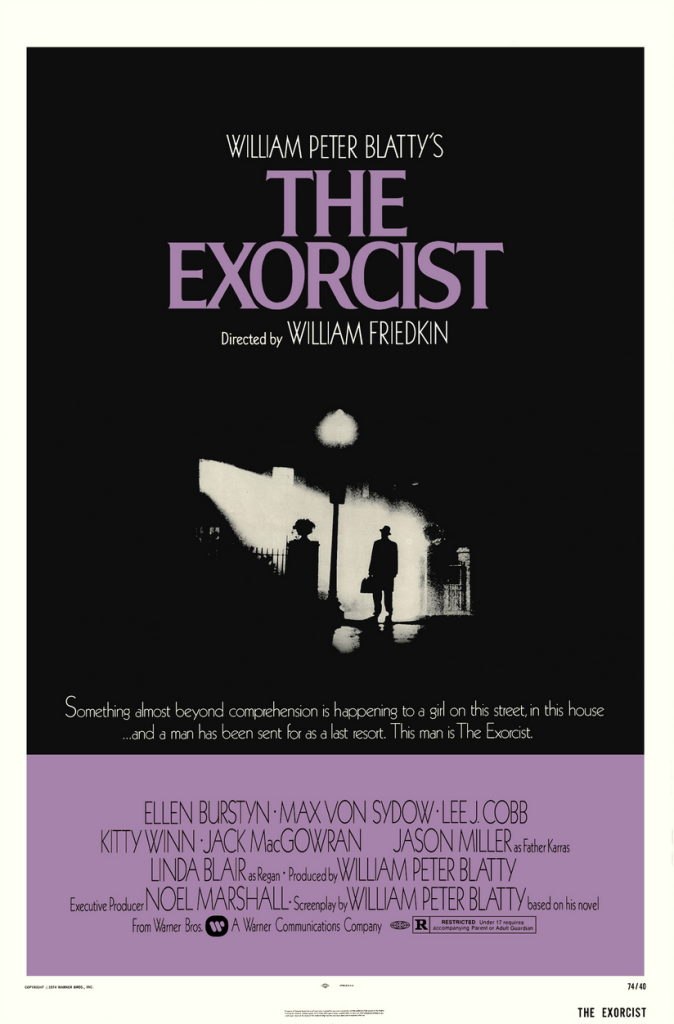
SC: Two come to mind. The Descent is the first and only movie I ever watched in a theater alone. That mixed with the claustrophobia of being underground made it one of the scariest. The second is The Exorcist. I was young and Regan’s eyes haunted me for a long time after my first viewing. More than the movie itself, it was her eyes.

Meghan: Which horror movie murder did you find the most disturbing?

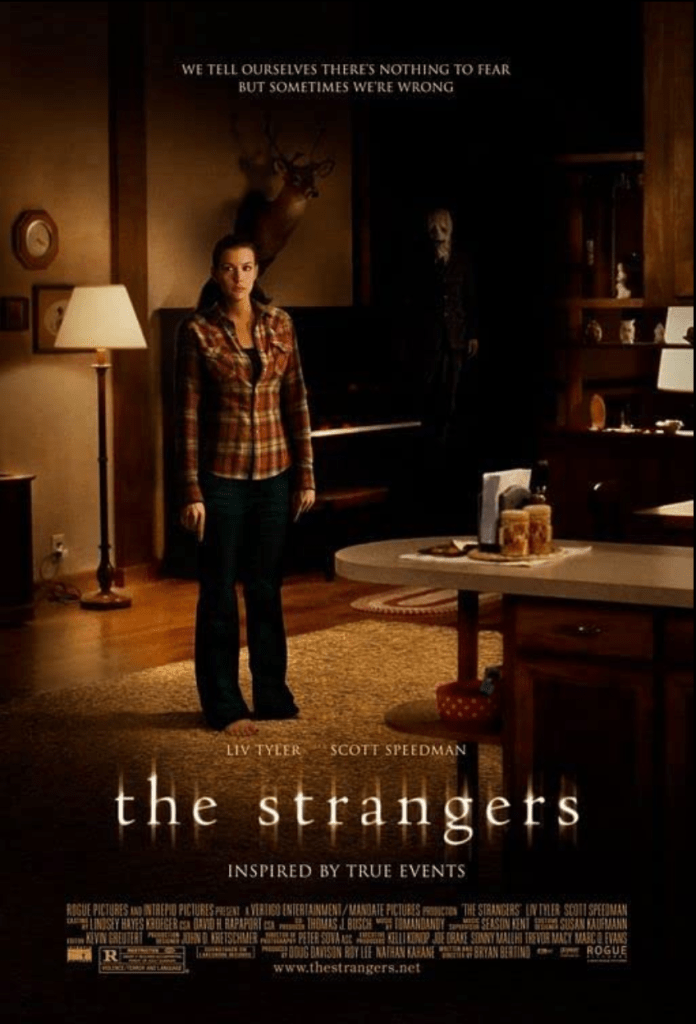
SC: The Strangers. I can’t remember an exact kill from it, but the premise of the murders disturbed me. “Because you were home.” Nothing else. Not revenge. Not an obsessive love interest. Just because you’re here. To think that murder could be completely random disturbs me.

Meghan: Is there a horror movie you refused to watch because the commercials scared you too much?

SC: No. But when I was a kid, the commercials for Cronenberg’s The Fly gave me nightmares. “Be afraid. Be very afraid.” My mom had me draw a picture of a scary image from the commercial and then we tore it up and burned it. The ritual helped. However, when I got older, I really enjoyed the remake.

Meghan: If you got trapped in one scary movie, which would you choose?

SC: Something like Zombie Strippers or Strippers vs. Werewolves. Look, if I’m gonna get killed, I want to have a good time before I go out.

Meghan: If you were stuck as the protagonist in any horror movie, which would you choose?

SC: Ash in Army of Darkness

Meghan: What is your favorite Halloween tradition?

SC: It used to be going to haunted house attractions. I would try to go to as many as possible throughout October. Now, I enjoy sitting in my driveway and passing out candy.

Meghan: What is your favorite horror or Halloween-themed song?

SC: Uh, man, this is difficult. “Halloween” by the Misfits is great. “Hellraiser” by Motorhead also gets me in the mood. I think “Hellraiser” was originally on the March or Die album, but I heard it on the soundtrack for Hellraiser III and I’ve associated it with horror movies ever since.

Meghan: Which horror novel unsettled you the most?

SC: We Need to Talk About Kevin. The concept of being a parent was psychologically horrifying to me as a younger man.

Meghan: Which unsolved mystery fascinates you the most?

SC: The Mary Celeste.

Meghan: In a zombie apocalypse, what is your weapon of choice?

SC: Rifle, pistol, and shotgun. That should cover all the bases.

Meghan: Okay, let’s have some fun… Would you rather get bitten by a vampire or a werewolf?

SC: Vampire

Meghan: Would you rather fight a zombie apocalypse or an alien invasion?

SC: Probably easier to survive a zombie apocalypse, but I’m so damn curious about aliens, I’ll go with the ETs.

Meghan: Would you rather drink zombie juice or eat dead bodies from the graveyard?

SC: I just vomited in my mouth

Meghan: Would you rather stay at the Poltergeist house or the Amityville house for a week?

SC: Amityville

Meghan: Would you rather chew on a bitter melon with chilies or maggot-infested cheese?

SC: Bitter watermelon chilies

Meghan: Would you rather drink from a witch’s cauldron or lick cotton candy made of spider webs?

SC: I’m slightly arachnophobic so abracadabra give me that witch’s brew.

Boo-graphy:
SC Mendes is the co-host of Horror Business – a podcast dedicated to helping authors make a career of their writing. He produces the Don’t Fall Asleep Podcast with Spencer Dillehay and is also the co-owner of Blood Bound Books – an independent publisher whose mission is spreading hope through dark fiction. Mendes has been publishing dark fiction under various names since 2009. The Order of Eternal Sleep, his sequel to The City, released in January 2022, and he is hard at work on the series finale. SC attempts to keep up with readers on Facebook, his website, and welcomes fan/hate mail in his mailbox.

There is a civilization buried deep beneath our own. A place spoken of only in whispers. If you are desperate enough, you will find it. But remember, all knowledge comes at a price.

The bodies were discovered six months after Max Elliot turned in his badge. All that remained of the victims were piles of flayed skin and organs. The bones of each body had been stolen. This torturous method of execution had only been seen once before, and that case remained unsolved. Confident of a connection between the grizzly murders, the police turn to the one man they believe can help. With the allure of closure to his own personal tragedy, Max Elliot agrees to reinstatement for one last case. But the clues lead the unstable detective down a path he never could have imagined. A mysterious drug, a world beneath our own, sex and violence on an unprecedented level, and creatures as ancient as sin itself.

Three years after Max Elliot goes missing, an anonymous tip brings Detectives McCloud and O’Neil to a residential arson on the outskirts of Chinatown.

The majority of the house survived, but the six bodies inside were reduced to gnarled heaps of blackened limbs.

A hidden door to the basement reveals a strange ritual space. Sealing the room, is the image of a serpent and obelisk, reminiscent of Ming’s scarred palm. On the black altar, they find an unidentifiable language and symbols that lead to more questions. Dark magick. Suppressed news reports. Dirty cops.

Besides the nightmares inspired by the crime, something else from the hidden basement is following them. Infecting them. Providing a glimpse to the mental anguish coming to consume us all.

Meanwhile, a secret order is poised to complete their greatest ritual yet. The Rites of Eternal Sleep will usher in the long night. And when the Black Sun rises, the surface will never be the same.

Under the influence of dark forces, McCloud will need all the help he can get to unravel the many veils of The Order before time runs out.

Discover the true plans of the Mara today!

GUEST POST: Robert Herold

Why We Need Horror

Horror fulfills an important part of human culture. Ancient societies were full of examples: The Chaos Monster in Mesopotamia, the Greek’s Minotaur and Gorgon, the tale of Beowulf, the Gumiho from Korea, and many others.

Confronting fearful mythic figures have been used to inspire, explain the unknowable, and to entertain. But they do more than that. Many times, a monster is pitiable, getting us to confront societal prejudices and unfair practices. For example, while Frankenstein’s monster is depicted differently in book and film, both are victims and cause us to question what is just and fair. So too with many of the figures of horror fiction and film.

While some contend that horror is inherently conservative, as the goal is to return to how things used to be, many times the reader or viewer of horror is actually asked to question the norms of society. When done well, horror can enlighten.

Ultimately, we need horror. Stephen King perhaps said it best: “We make up horrors to help us cope with the real ones.”

(This piece originally appeared in the author’s newsletter, The Haunted House of Herold. If interested in subscribing, contact the author at email@robertheroldauthor.com)

Boo-graphy:
The supernatural has always had the allure of a forbidden fruit, ever since my mother refused to allow me, as a boy, to watch creature features on late night TV. She caved in. (Well, not literally!)

While other kids my age wanted to grow up to be doctors, firefighters, spacemen, and the like, I wanted to be a werewolf.

I have pursued my interests over the years (including playing the sax and flute, and teaching middle school history for 36 years), but supernatural writing always called to me. You could say that I was haunted. Ultimately, I hope my books give you the creeps, and I mean that in the best way possible!

Website
Amazon
Facebook
Twitter
Email

The Eidola Project – The Eidola Project is a 19th century team of ghost hunters who become ensnared in a deadly investigation of a haunted house. They are a psychology professor, his assistant, an African-American physicist, a young sideshow medium, and a traumatized Civil War veteran, each possessing unique strengths and weaknesses. Will any of them survive?

Moonlight Becomes You – The Eidola Project travels to Petersburg, Virginia, to investigate a series of murders in the Black community—rumored to be caused by a werewolf. Once there, danger comes from all quarters. Not only do they face threats from the supernatural, the KKK objects to the team’s activities, and the group is falling apart. Can they overcome their human frailties to defeat the evil that surrounds them?

Totem of Terror – The Eidola Project, a team of 19th Century ghost hunters, have been tasked with trying to stop a deadly shapeshifting demon attacking the native people of La Push, on the Washington Coast. The team brings their own demons with them, in the form of drug addiction, a werewolf’s curse, and being in mourning from the death of a loved one. Can they rise to this new challenge, or will they face the same grisly end as the shapeshifter’s other victims?

Witch Ever Way You Go
When an ill-fated graduate student and his girlfriend are lured into a terrifying world of witchcraft and murder, they become targets for human sacrifice. Is there a chance they can escape a bloodthirsty coven of witches and certain death until the curse is lifted? A spellbinding story of modern horror.

AUTHOR INTERVIEW: Robert Herold

Meghan: Hi Robert. Welcome back to Meghan’s HAUNTED House of Books. What is your favorite part of Halloween?

Robert: Where do I start! I love the energy associated with the holiday. For a while, even those who say they don’t like scary books and films, get filled with the spirit. (Pun intended!) One of my favorite parts of Halloween is the great yard displays. My wife and I discovered an amazing display last year. It’s on 17th Ave NE, one half block north of NE 125th, for all you Seattle area folks!!

Meghan: Do you get scared easily?

Robert: Hmmm… Not really, but I do get a tingly feeling on the back of my neck as the hairs stand up.

Meghan: What is the scariest movie you’ve ever seen and why?

Robert: Black Sunday (aka The Mask of Satan). This 1960 Mario Bava movie about witchcraft featured Barbara Steele as a witch who was put to death in a gruesome way. A spiked mask was hammered onto her head in the prologue. At this point, as a ten-year-old, I turned off the TV and hid under the covers of my bed! I revisited the film as an adult, and it holds up well. For you readers who like classic horror flicks, check this out!

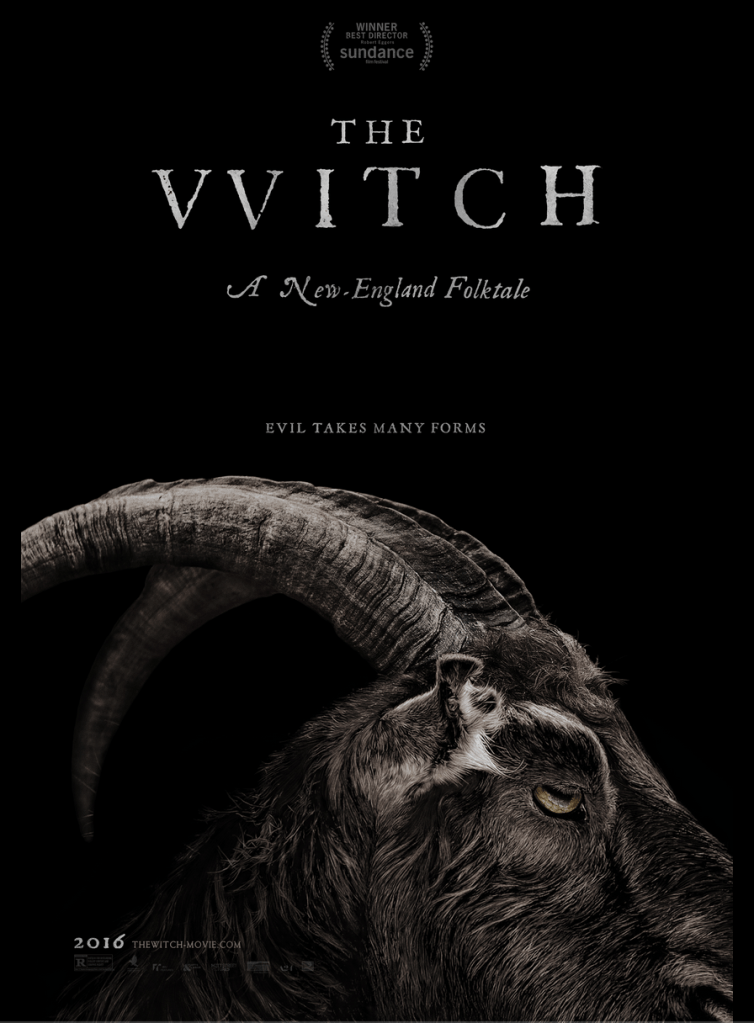
For modern chills, I recommend The Witch (a masterpiece of folk horror), the original Exorcist, and Alien for tension and scares.

Meghan: Which horror movie murder did you find the most disturbing?

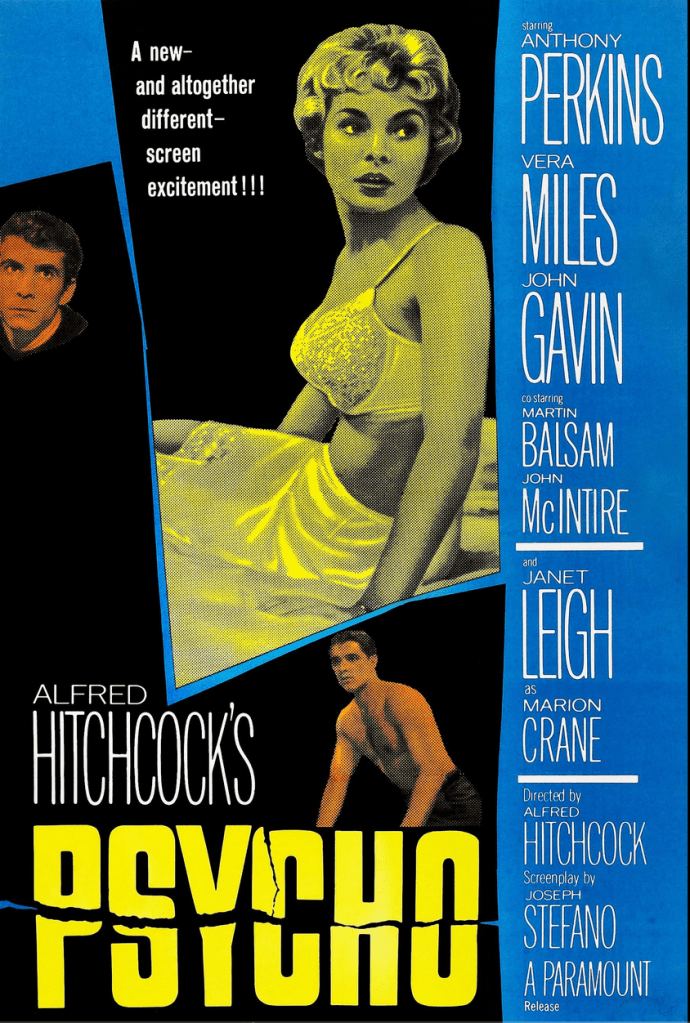
Robert: Janet Leigh’s death in Psycho. We are all vulnerable in the shower! Her character just decided to return the money she stole, making her that much more sympathetic. Hitchcock did a masterful job!

Meghan: Is there a horror movie you refused to watch because the commercials scared you too much?

Robert: Nope. In fact, a pet peeve of mine is movie trailers that reveal too much and thereby ruin the film. Far too common nowadays. Trailers should convey the premise and tone of the film, enticing the viewer, not reveal 95% of the plot.

Meghan: If you got trapped in one scary movie, which would you choose?
The Exorcist, Ellen Burstyn was hot!

Meghan: If you were stuck as the protagonist in any horror movie, which would you choose?

Robert: I’d choose Dana Andrews’ character in Curse of the Demon. Peggy Cummins was hot!

Meghan: What is your all-time favorite scary monster or creature of the night?

Robert: Hands down, or paws down, it would be the Wolfman. As a child I wanted nothing more than to be the Wolfman. Fresh snow provided me the opportunity to walk out onto neighbor’s lawns halfway and make paw prints with my fingers as far as I could stretch. I would retrace the paw and boot prints, then fetch the neighbor kids and point out that someone turned into a werewolf on their front lawn! (They were skeptical.)

Meghan: What is your favorite Halloween tradition?

Robert: Checking out Halloween displays in the area.

Meghan: What is your favorite horror or Halloween-themed song?

Robert: There so many! I guess my favorite would be “The Monster Mash.” On my Facebook page is a film clip of me singing (apologies to Bobby “Boris” Pickett) my rendition when performing with a local band, The Rainy City Riff Raff. Here’s the link, if you dare (sorry the video quality is poor).

Meghan: Which horror novel unsettled you the most?

Robert: My first reading of The Shining. I was alone in my apartment at the time, it was evening, and just as I was reading the scene about room 217 (Kubrick changed it to 237 for the movie), a thunder and lightning storm occurred. Then the power went out!

Meghan: What is the creepiest thing that’s ever happened while you were alone?

Robert: See previous answer. ☺

Meghan: Which unsolved mystery fascinates you the most?

Robert: Loch Ness Monster. It would be pretty nifty to have the Nessie in there paddling about!

Meghan: What is the spookiest ghost story that you have ever heard?

Robert: A movie theater in Seattle, The Harvard Exit, is now the Mexican Consulate. In its movie house days, there were a number of ghostly events. I spoke to the staff and they mentioned several spooky encounters. One was the sound of women talking, but when staff person entered the room, no one was there. She also reported that a radio would turn on inexplicably. A manager reportedly came to work one day before anyone else. When she entered the lobby, the fire was lit, lights were on, and chairs were circled around the fire. The place used to be women’s club. I attended many films there over the years, and the spookiest thing I ever saw was a rat running across the stage!

Meghan: In a zombie apocalypse, what is your weapon of choice?

Robert: A pen. As we all know, the pen is mightier than the sword. In this case, I would write myself a survival scenario!

Meghan: Let’s have some fun! Would you rather get bitten by a vampire or a werewolf?

Robert: A werewolf. Not only have I wanted to be one since I was a boy, but you would get to live normally for most of each month.

Meghan: Would you rather fight a zombie apocalypse or an alien invasion?

Robert: An alien invasion has more opportunities for interesting technology and perhaps alien sympathizers. You can’t reason with a zombie!

Meghan: Would you rather drink zombie juice or eat dead bodies from the graveyard?

Robert: How old are the bodies? Can they be served up with gravy? Hollandaise sauce? Bearnaise?

Meghan: Would you rather stay at the Poltergeist house or the Amityville house for a week?

Robert: The Poltergeist house. It has a swimming pool!

Meghan: Would you rather chew on a bitter melon with chilies or maggot-infested cheese?

Robert: Cheese. I like cheese. (Maggots would provide extra protein!)

Meghan: Would you rather drink from a witch’s cauldron or lick cotton candy made of spider webs?

Robert: A witch’s caldron. It might be tasty, having subtle flavors that can only come from fillet of a fenny snake, along with eye of newt and toe of frog, wool of bat and tongue of dog, adder’s fork and blind-worm’s sting, lizard’s leg and owlet’s wing!

Boo-graphy:
The supernatural has always had the allure of a forbidden fruit, ever since my mother refused to allow me, as a boy, to watch creature features on late night TV. She caved in. (Well, not literally!)

While other kids my age wanted to grow up to be doctors, firefighters, spacemen, and the like, I wanted to be a werewolf.

I have pursued my interests over the years (including playing the sax and flute, and teaching middle school history for 36 years), but supernatural writing always called to me. You could say that I was haunted. Ultimately, I hope my books give you the creeps, and I mean that in the best way possible!

Website
Amazon
Facebook
Twitter
Email

The Eidola Project – The Eidola Project is a 19th century team of ghost hunters who become ensnared in a deadly investigation of a haunted house. They are a psychology professor, his assistant, an African-American physicist, a young sideshow medium, and a traumatized Civil War veteran, each possessing unique strengths and weaknesses. Will any of them survive?

Moonlight Becomes You – The Eidola Project travels to Petersburg, Virginia, to investigate a series of murders in the Black community—rumored to be caused by a werewolf. Once there, danger comes from all quarters. Not only do they face threats from the supernatural, the KKK objects to the team’s activities, and the group is falling apart. Can they overcome their human frailties to defeat the evil that surrounds them?

Totem of Terror – The Eidola Project, a team of 19th Century ghost hunters, have been tasked with trying to stop a deadly shapeshifting demon attacking the native people of La Push, on the Washington Coast. The team brings their own demons with them, in the form of drug addiction, a werewolf’s curse, and being in mourning from the death of a loved one. Can they rise to this new challenge, or will they face the same grisly end as the shapeshifter’s other victims?

Witch Ever Way You Go
When an ill-fated graduate student and his girlfriend are lured into a terrifying world of witchcraft and murder, they become targets for human sacrifice. Is there a chance they can escape a bloodthirsty coven of witches and certain death until the curse is lifted? A spellbinding story of modern horror.

AUTHOR INTERVIEW: Ramsey Campbell

Meghan: Hey Ramsey!! Welcome back to Meghan’s HAUNTED House of Books. It’s always a pleasure to have you here, and I thank you for taking time on this busy book-release day to join us here.

Yes, you read that right, everybody. Fellstones is out today.
You can pick it up by following the link below:
Flame Tree Publishing

Sorry about that. What were we talking about? Oh yeah… What is your favorite part of Halloween?

Ramsey: I have to say it has no great significance as a festival in Britain. There were attempts a few years back to situate it as an alternative Autumn event to Guy Fawkes Night, since it was felt there were too many accidents at private firework displays on 5 November. When I was a child it wasn’t celebrated locally at all, and so my only sense of it was through fiction—specifically, some of the great tales of Ray Bradbury. Ray made October uniquely his, both capturing its flavours and adding individual ones of his own. While you can read them at any time, they have a particular relevance to Halloween, and so I’ll name them as my favourite aspect thereof.

Meghan: Do you get scared easily?

Ramsey: No longer, but as a child I was—by films, by books, by my domestic life. I must have been three, maybe a little older, when I saw my first film, Disney’s Snow White. Elements in it terrified me—the unstable face in the magic mirror that doesn’t reflect the person in front of it, and even the sight of darkness beyond a window in the dwarfs’ cottage while they perform their song and dance, because I was sure something would appear out of the dark. M.R. James gave me many uneasy nights jut a few years later. As for my everyday experience, my parents were estranged when I was three but continued to live in the same house, which meant I hardly ever saw my father face to face—he became the footsteps on the stairs at night, the presence beyond a door that I dreaded might open. All this was exacerbated by my mother’s schizophrenic fantasies: for example, that he would poison us or creep into the bedroom to commit some terrible act. The neighbours were conspiring against her and writing a nightly radio soap opera that contained references to her and secret messages addressed to her, and so on. I had an interesting childhood, which has subsequently produced much literary material.

Meghan: What is the scariest movie you’ve ever seen and why?

Ramsey: Apart from Not I, that terrifying Beckettian tour de force performed by Billie Whitelaw (and enacted less intensely by Julianne Moore), all my candidates are the work of David Lynch. Some scenes in Fire Walk With Me affected me so profoundly I was close to leaving the first time I saw it, but I’ll go with Lost Highway, the first extended section of which in particular frightens me afresh on every viewing. I’ve concluded Lynch uses every element of film—lighting, camera placement and movement, staging, especially sound—as skillfully (if possibly instinctively) as Hitchcock, to convey the uncanny at its most indefinable and disturbing.

Meghan: Which horror movie murder did you find the most disturbing?

Ramsey: The protracted finale of Megan is Missing, a film I analyse and defend at length in Ramsey’s Rambles. The scene is appallingly convincing, not least in its banality.

Meghan: Is there a horror movie you refused to watch because the commercials scared you too much?

Ramsey: The trailer, do you mean? No, never. As for the other kind of commercials, I’d do my best to avoid any film interrupted by them and see it uninterrupted elsewhere.

Meghan: If you got trapped in one scary movie, which would you choose?

Ramsey: Night of the Demon, my all-time favourite, since you can avoid falling victim to the demon if you know how.

Meghan: If you were stuck as the protagonist in any horror movie, which would you choose?

Ramsey: The same, for the same reason.

Meghan: What is your all-time favorite scary monster or creature of the night?

Ramsey: The original King Kong, the greatest of all monsters in the greatest monster film.

Meghan: What is your favorite Halloween tradition?

Ramsey: Alas, for reasons outlined above, I have none. Oddly enough, I’ve often been at World Fantasy Conventions in America over the season, but I don’t believe I’ve ever seen signs of the celebrations. Ah, hang on—in Baltimore in 1980 all the check-in staff at the Park Plaza were dressed as witches and pumpkins and the like. I think it was a pumpkin who proved loath to let Steve King have his room because he presented not a credit card (he had none in those days) but cash.

Meghan: What is your favorite horror or Halloween-themed song?

Ramsey: Horror uncanny enough for Halloween—Schubert’s Opus 1.

Meghan: Which horror novel unsettled you the most?

Ramsey: Samuel Beckett’s The Unnamable—one of the books I celebrated in an essay in The Book of Lists: Horror. It may be a protracted cry from the afterlife, or a narration by a limbless body displayed in a jar on a street, or by something even more featureless. I read it in a sitting one afternoon and have been haunted by it ever since. If it isn’t horror, I don’t know what is.

Meghan: What is the creepiest thing that’s ever happened while you were alone?

Ramsey: The room next to my workroom (where I’m writing this) has seen various uncanny manifestations over the decades we’ve lived in this house, and here’s the most extreme. Jenny and I had discussed befriending the room by spending the night up there together. During one of my attempts to let her sleep without my snoring I wakened at about two in the morning to discover that she’d decided to try the experiment. It was only when I opened my eyes and reached for her that I realised the silhouette next to me, its head on the other pillow, wasn’t Jenny. I tried for a very long time to move and cry out. Apparently I achieved the latter. In our bedroom on the floor below Jenny heard me make some kind of protest, but I’ve often exhorted her not to wake me if I’m having a nightmare, because I believe these dreams contain their own release mechanism, and I resent being taken out of them before the end. Jenny headed for the toilet on the middle floor, and when she returned I was still making the noise. Perhaps I was dreaming, in which case it had to be the longest nightmare, measured in objective time, that I’ve ever experienced. It consisted purely of lying in the bed I was actually in and trying to retreat from my companion. I admit to never having been so intensely terrified in my life. After minutes I found myself alone in the bed. I made myself turn over and close my eyes, but had a strong impression that a face was hovering very close to mine and waiting for me to look. Meanwhile, downstairs, Jenny felt an intruder sit beside her on our bed.

Meghan: Which unsolved mystery fascinates you the most?

Ramsey: I believe the Marie Celeste.

Meghan: What is the spookiest ghost story that you have ever heard?

Ramsey: I heard Graham Watkins tell this tale onstage at an American convention. He investigated haunted places, and had arranged to spend a night at a deserted mansion notorious for manifestations. He chose an upstairs room as his base of operations, and for several hours he heard ordinary domestic noises from downstairs—people talking, kitchen sounds and the like. After some hours he lost patience with them, as I recall, and declared as much aloud. At once there was silence, and he realised he’d alerted whatever was there to his presence. And then all the noises recommenced—directly outside the room he was in…

Meghan: In a zombie apocalypse, what is your weapon of choice?

Ramsey: My brain.

Meghan: Okay, let’s have some fun… Would you rather get bitten by a vampire or a werewolf?

Ramsey: A vampire, since it might give me a chance to experience immortality until I tired of it. A trip to Vasilema should do the job.

Meghan: Would you rather fight a zombie apocalypse or an alien invasion?

Ramsey: Aliens—the less boring option, I’d hope.

Meghan: Would you rather drink zombie juice or eat dead bodies from the graveyard?

Ramsey: Neither. I find disgust nothing except tedious.

Meghan: Would you rather stay at the Poltergeist house or the Amityville house for a week?

Ramsey: Amityville if I wanted a quiet time, since the entire thing was a cynical hoax (which I said in a review as soon as I’d read the original book).

Meghan: Would you rather chew on a bitter melon with chilies or maggot-infested cheese?

Ramsey: I’ll take the melon.

Meghan: Would you rather drink from a witch’s cauldron or lick cotton candy made of spider webs?

Ramsey: If the cauldron conferred magical powers I’d take the risk.

Boo-graphy: Ramsey Campbell was born in Liverpool in 1946 and now lives in Wallasey. The Oxford Companion to English Literature describes him as “Britain’s most respected living horror writer”, and the Washington Post sums up his work as “one of the monumental accomplishments of modern popular fiction”. He has received the Grand Master Award of the World Horror Convention, the Lifetime Achievement Award of the Horror Writers Association, the Living Legend Award of the International Horror Guild and the World Fantasy Lifetime Achievement Award. In 2015 he was made an Honorary Fellow of Liverpool John Moores University for outstanding services to literature. PS Publishing have brought out two volumes of Phantasmagorical Stories, a sixty-year retrospective of his short fiction, and a companion collection, The Village Killings and Other Novellas, while their Electric Dreamhouse imprint has his collected film reviews, Ramsey’s Rambles. His latest novel is Fellstones from Flame Tree Press, who have also recently published his Brichester Mythos trilogy.

Fellstones takes its name from seven objects on the village green. It’s where Paul Dunstan was adopted by the Staveleys after his parents died in an accident for which he blames himself. The way the Staveleys tried to control him made him move away and change his name. Why were they obsessed with a strange song he seemed to have made up as a child?

Now their daughter Adele has found him. By the time he discovers the cosmic truth about the stones, he may be trapped. There are other dark secrets he’ll discover, and memories to confront. The Fellstones dream, but they’re about to waken.