Halloween Extravaganza: INTERVIEW: Dev Jarrett

Meghan: Hi, Dev! Welcome back… sort of. Take a look around and let me know what you think of the new place.

Now, Itโ€™s been awhile since we sat down together. Whatโ€™s been going on since we last spoke?

Dev Jarrett: Well, you know what the man saidโ€ฆ life is what happens to you when youโ€™re busy making other plans. Iโ€™m still writing, still loving every second of it, but I guess since we last talked, Iโ€™ve kind of been grinding. Leveling-up might be a good term for it.

When we last spoke, Iโ€™d done what so many only dream aboutโ€”Iโ€™d landed a big-time agent. Itโ€™s like achieving a new level in a game. But at that new level, the enemies, monsters, and bosses are tougher, so youโ€™ve got to GRIND, and learn how to use all the magical weapons properly. In the past three years, Iโ€™ve actually written three more novels. Theyโ€™re pretty good. If I were still battling the slushpile at smaller, niche presses, I bet at least two of them would have already been picked up. But (to complete the metaphor) Iโ€™m on the big quest, looking to kill the most fearsome monsters in the land.

Meghan: Who are you outside of writing?

Dev Jarrett: Up until December of last year, I was still a soldier in the US Army. Now, I’m a civilian. I’ve been spending the last few months unlearning a ton of the military mindset (“What? What do you mean I can’t deploy the knife-hand and cuss someone out if they work too slowly? Are you serious?”) Expedience is one thing, but some of that stuff can be pretty toxic sometimes, too. These days I write more, enjoy myself more, and let myself BE myself more. It’s nice.

Meghan: How do you feel about friends and close relatives reading your work?

Dev Jarrett: Iโ€™m okay with anyone reading my stuffโ€”AFTER itโ€™s published. In general, friends and close relatives might not make the best beta readers. They might feel obligated to only say nice things when asked their opinions, which is not fair to anyone, or to the work.

That said, I do have a couple of family members who read my stuff before anyone else. My wife Jennie reads everything first, and then my son-in-law Cody. They know the deal, and they donโ€™t sugarcoat anything when I screw up.

Meghan: Is being a writer a gift or a curse?

Dev Jarrett: I think being a writer can go either way. I love what I do, and I’m grateful, but sometimes dream-time gets in the way of being present in the moment. I get an idea, get distracted by it, and realize that I’ve missed the last ten minutes of a conversation.

But it’s also an integral part of my makeup, the way I’m sure it is for many writers. I’ve GOT to write, or I get irritable. My wife has told me that it’s obvious when I’ve missed my writing time. When I can’t write, I’m just… off.

Meghan: How has your environment and upbringing colored your writing?

Dev Jarrett: I think my environment and upbringing made me the person I’ve become, and that’s what colors my writing. I was brought up in Columbus, Georgia, and had a pretty normal childhood. I’m sure I could find things to complain about – everyone’s got a hard luck story, after all – but it was mostly okay. I think my southern upbringing shows in many ways in my stories. When I was twenty-two, I joined the Army, and I’ve lived in a ton of different places in the service of Uncle Sam. All that life experience, the memories of all the people I’ve met and the places I’ve been, shapes the stories I tell.

Meghan: Whatโ€™s the strangest thing you have ever had to research for your books?

Dev Jarrett: We’ve all seen the meme where the writer says “Please don’t check my web history! I was just doing research for a book!” And yeah, to a degree, it’s true. We look up weird things, right? For a work in progress currently, I’ve looked up the nutritional information of dragonflies, Alabama cult leaders, ancient Babylonian gods, and rehab times for opioid addicts. How does any of that go together? Hopefully you’ll find out soon.

Meghan: Which do you find the hardest to write: the beginning, the middle, or the end?

Dev Jarrett: For me, it’s usually the ending. Beginnings are great. You’ve got the freedom to build anything, and the whole field is wide open. The middle? Well, that can go either way. You’ve still got some wiggle room for additions and complications, but you’ve also got to build on the solid foundations you’ve already laid. The ending, though, is where you’ve got to bring it all back around, bring it all to completion. Put another way, if a gymnast doesn’t stick the landing, they probably won’t take home the gold.

Meghan: Do you outline? Do you start with characters or plot? Do you just sit down and start writing? What works best for you?

Dev Jarrett: There’s not really a hard and fast answer to that, for me. When I start, it is usually just an idea or a visual that I can’t get out of my head. That may be an initial image, which begs me to track it down and find out what happens next, or an ending image, which asks me to find out what came before all that, what set it in motion.

I don’t usually outline in the sense of Roman numerals, capital letters, Arabic numerals, lower case letters, but when I’m in the story, I generally have an idea of what’s going to happen next. I say generally, because sometimes my initial plans go completely off the rails.

Meghan: What do you do when characters donโ€™t follow the outline/plan?

Dev Jarrett: I let them run with it and try to stay out of the way. It’s a kind of magic, I think, when your characters take over their own creation. As writers, we have to allow our characters to react honestly, even if that gets in the way of what we think we want to say.

Meghan: What do you do to motivate yourself to sit down and write?

Dev Jarrett: I donโ€™t have a problem with motivation to write. I often wish there were more hours in a day so that I could write more. Sometimes, I do have to kill distractionsโ€”social media is a big one, as is binge-watching TV. I know, I know, bingeing anything is really unhealthy, but even finishing the current season of a favorite show gives a small sense of completion.

Meghan: Are you an avid reader?

Dev Jarrett: I love to read! I read every day, even if I only get to finish a couple of chapters. I recently finished A Boy & His Dog at the End of the World and Beloved. Now I’m reading The Bassoon King, rereading NOS4A2, and I just started King‘s The Institute.

Meghan: What kind of books do you absolutely love to read?

Dev Jarrett: Looking at my recent and current reads, I like many different things. Beloved won the Pulitzer Prize back in 1988, and it’s a kind of ghost story. A Boy & His Dog… suckered me in with the title, and it was supposed to have a twist at the end that, in my opinion, didn’t “stick the landing.” The Bassoon King is a sort of humorous autobiography of Rainn Wilson. And, of course, NOS4A2 and The Institute are horror.

I love reading horror, but variety is necessary, too. Not only should we all read deeply, but we should also read widely. I’m no snob about it. I think there is always time for both escapist reading and interpretive reading. Like a teacher once told me: there’s a time for champagne in crystal flutes, but there’s also a time for light beer straight from the can. Sometimes you get lucky and get them both in one story.

Meghan: How do you feel about movies based on books?

Dev Jarrett: I generally have no trouble with them. Translating from one medium to another is a challenge in so many ways, and no movie director will have had the same vision as anyone else whoโ€™s read a story and watched their own mind-movie.

I know people get bent out of shape about some movies not being true to their source material, but some things simply don’t translate. A character’s thoughts can’t be shown, and cheesy voiceovers haven’t really worked in decades. By the same token, movie tie-ins have the opposite problem. How do you translate a jump-scare to words on a page?

Meghan: Have you ever killed a main character?

Dev Jarrett: Of course. Sometimes, their end is an essential part of the story. Death is a part of all life, right? Even a character’s life. I’m no George R.R. Martin, but my mind hosts the occasional bloodbath, too.

Meghan: Do you enjoy making your characters suffer?

Dev Jarrett: Actually, sometimes yes. Maybe that sounds a little sadistic, but the thing is, a certain amount of suffering tempers a character. There are those times when a character’s suffering is a part of the arc, and when they come out on the other side, they’re stronger for having survived whatever trauma they’ve had.

On the other hand, there are many characters I’ve created that I just… well… HATE. And yes, I love to see them get their deserved comeuppance. As viscerally as possible.

Meghan: Whatโ€™s the weirdest character concept that youโ€™ve ever come up with?

Dev Jarrett: Several of my early short stories were science fiction, and some of those involved extraterrestrial life forms, and they werenโ€™t limited by our earthly physiologies at all. I guess thatโ€™s a kind of lazy answer, though.

Iโ€™ve had cars that were vampires, cicada vampires, were-raccoons, and a guy who turned into a catfish. Then there was the guy who was basically a colony of tiny creatures who could turn into anything. The best, however, is yet to come.

Meghan: Whatโ€™s the best piece of feedback youโ€™ve ever received? Whatโ€™s the worst?

Dev Jarrett: That’s a tough call. In one sense, the best feedback received pre-publication is usually the harshest. Those things help make the story better, and make me a better writer. The worst in that case would be a beta reader going “Ummm, I don’t get it.”

Post-publication, the worst are the assholes. Everyone gets the trolls those only interest is punching holes and tearing down the work of others for no reason except making themselves feel superior. You’ve just got to ignore people like that.

Maybe not best, but certainly the most flattering feedback I’ve ever received was on a tiny zombie story I wrote. I never got on the whole Walking Dead bandwagon, really, but I thought of a different way to tell a zombie story, and an editor enjoyed it enough to publish it. One reviewer of the story said that they thought it could have “sprung from the pen of Ray Bradbury or Kurt Vonnegut.” That kind of comparison blew me away.

Meghan: What do your fans mean to you?

Dev Jarrett: I love them, of course. The very idea of having fans is intimidating and humbling, but if someoneโ€™s willing to give up their hard-earned money and a few minutes or hours to read something Iโ€™ve written, I absolutely want to make it worth their investment. Not simply the money, but their time, too.

Iโ€™ve had a few people follow my career, and ask when Iโ€™m coming out with something new, and itโ€™s always flattering to be asked that. When my first novel came out, I was at the first Scares That Care Charity Weekend and someone came by the table and just wanted to shake my hand. He said heโ€™d read some of my short stories and was glad to see that Iโ€™d gotten a book published, too. That was surreal, but inspiring at the same time.

Meghan: If you could steal one character from another author and make them yours, who would it be and why?

Dev Jarrett: There are so many great characters I’ve read over the years, that’s a challenging question. Now that I think about it, my answer may actually be a very common response to the question (and I suppose that’s one reason for the author’s continuous appeal to the world): Roland Deschain of The Dark Tower series.

Roland is introduced as a world-weary errant knight in a strange desert on the edge of a dystopian fantasy world, and that really appealed to me in The Gunslinger. What can I say? I was one of those kids who watched a ton of westerns on Saturday afternoons. But later on, Roland’s development through the entire series became beautiful, and wise, and even poetic in some ways. So many of Mr. King‘s fans say his masterpiece is The Stand, or possibly The Shining, but I completely disagree. In my opinion, his masterpiece is the character of Roland.

Meghan: If you could write the next book in a series, which one would it be, and what would you make the book about?

Dev Jarrett: Wow. Not sure about that. I’d love to write a Discworld novel, but I don’t have the humor chops of Terry Pratchett, and I can’t think of anyone who comes close. We lost a treasure when we lost him.

I think I could write a novel of the Dresden Files. The sort of urban fantasy is fun to read – the juxtaposition of fantasy elements with our modern world seems like it would be a great playground. If I were able to do that, I don’t know what it would be about, but I’m sure it’d be much darker than Jim Butcher writes. Much more darker.

Meghan: If you could write a collaboration with another author, who would it be and what would you write about?

Dev Jarrett: Obviously, Iโ€™d love to aim high on this one (Stephen King, Joe Hill, Neil Gaiman), but I think Iโ€™d feel like those co-writer guys on a James Patterson novel must feel, like Iโ€™m just a punk getting carried by another name. (Not throwing stones hereโ€ฆ thatโ€™s just how Iโ€™d see it for me, Dev โ€œImposter Syndromeโ€ Jarrett.)

Realistically? Hmmm. Iโ€™m not sure. Someday, maybe Jonathan Janz. I met him once, and he is such a nice guy. Iโ€™d love to work with him. It could be about anything, but a concept Iโ€™ve been tossing around in the back of my mind is a horror story that involves a high school reunion. Collaboration sounds hugely interesting to me. Iโ€™ve never worked with someone on a single creation like that, but I think itโ€™d be fun.

Meghan: What can we expect from you in the future?

Dev Jarrett: I mean, after I finish my collaborations with Janz, Gaiman, Hill, and King, I might… well… no. I’ve got tons of work in the pipeline, at various stages of completion, and hopefully I’ll have something spectacular out soon.

Like I said, I’ve written a few novels that aren’t quite ready for prime time, but I suppose the NEXT thing you can expect from me is a new short story for the Christmas Takeover.

Meghan: Where can we find you?

Dev Jarrett: I’ve got a small website that I’m terrible about keeping up to date, but it has links to all of the published work.

Website ** Twitter ** Facebook

Meghan: Do you have any closing words for your fans or anything youโ€™d like to say that we didnโ€™t get to cover in this interview or the last?

Dev Jarrett: First, thanks for having me. I think we covered all the bases this time (I noticed that in our last conversation, I was kind of laconic, I guess? I wanted to make sure I opened up a little more this time).

Except, let’s see… dogs, not cats. Original flavor Oreos. I’m not an FPS kind of videogamer, I’m more platformer. If I were to have an 80s-era arcade game in my house, it’d be Joust. Mexican food. INT-J. Beer is great, but when it’s time for hard drinking, bourbon’s my poison of choice. Pretty much anything is good on a pizza, but I mostly only tolerate pineapple. My current playlist includes a little bit of everything, but it’s mostly rock.

And… there are always more stories to tell.

Dev Jarrett is a writer, a father of five, a husband, and one of those guys the US Army trained too much. He speaks Arabic, he can break ciphers in his sleep, and can still break down and reassemble an M4 rifle and an M9 pistol while blindfolded.

He’s visited many different countries in the past quarter century, and can’t talk about most of the adventures he’s had. On the other hand, it’s public record that he’s received a Bronze Star and a Purple Heart, so make what you will of that.

He’s represented by Barbara Poelle of the Irene Goodman Literary Agency, and all he wants is to scare the hell out of you.

Loveless

Till death do us part… sometimes.

When a hapless explorer disturbs the watery grave of Muriel Wallace, a terrifying chain of events is put into motion. Corey Rockland, sheriff of a sleepy Georgia town, must now unravel the mystery behind a corrupt family and a broken heart dating back to the Civil War. Unless he can find a way to stop her, Muriel will unleash her vengeance on anyone she deems loveless.

Dark Crescent

If you could change the future, would you?

Bud Primrose, assistant coach of a Little League team, gets smacked in the head with a line drive and wakes up in the hospital with a kind of second sight.

If you saw a strangerโ€™s death coming, would you try to save her?

He sees others’ deaths hours before they occur. When he uses this strange new ability to save a woman from a brutal murder, he becomes the thwarted next target.

If you had the power, would you use it?

Now he must do everything he can to save himself and the woman he loves from the razor-wielding maniac bent on payback.

If you had to face a killer, could you do it?

Casualties

Fresh from Afghanistan, crippled by both a crumbling marriage and growing paranoia, can a soldier save his family from the ancient evil in his own house? 

Sergeant First Class Chris Williams is back home, and he and his family are move to Fort Huachuca, a small Army post deep in the southeastern corner of Arizona.

From the time they move in, Chris and his wife Molly are struck by the preponderance of ghost stories surrounding their new home. Chris wonders why nightmares still plague himโ€”then, he realizes the reason. He and his family are not alone in their house. An evil older than Fort Huachuca, older than time itself, lives there. Now, enough sacrifices have been made to its blood hunger that it can finally give birth to a powerful, deadly offspring intent on dominating our world.

Chris, Molly, and their two children become pawns of the evil spirit inhabiting their new neighborhood. Already casualties of life, crippled by both a crumbling marriage and growing paranoia, can Chris and Molly save their family from the evil already living under their own roof?

Little Sister

Seven year old Lucinda has a homemade doll that has a special kind of magic. When someone tries to hurt Lucinda and her mother, perhaps heโ€™ll see the dollโ€™s magic too.

For her seventh birthday Lucindaโ€™s grandfather sends her a homemade doll. Her mother Sharon had a little sister onceโ€”and now Lucinda has a โ€œlittle sisterโ€ of her own.    

Sharonโ€™s boyfriend Deke is not the man she thought he wasโ€”heโ€™s hateful and abusive, like something out of a nightmare. Now heโ€™s on the run from the police and heโ€™s taken Sharon and Lucinda with him.

Mother and daughter must find some way to escape his blood-soaked grasp before he kills them both. They have no way out.

All they have is Lucindaโ€™s homemade doll.

Halloween Extravaganza: INTERVIEW: Cynthia Von Buhler

Meghan: Hi, Cynthia. Welcome to Meghan’s House of Books. Tell us a little bit about yourself.

Cynthia Von Buhler: Iโ€™m an author, artist, and theater producer. Iโ€™m passionate about animals.

Meghan: What are five things most people donโ€™t know about you?

Cynthia Von Buhler: 1) I was the lead singer of an all-female S&M band. 2) I’m agoraphobic. 3) I never take the subway. 4) I love antique shopping more than sex. 5) I’m really good at cutting pig hooves.

Meghan: What is the first book you remember reading?

Cynthia von Buhler: As a child I think the first book I read myself was Green Eggs and Ham by Dr. Seuss. For adult books, I read Gone With the Wind and The Last Tango in Paris in 4th grade (I found it hidden in my parentโ€™s bathroom). I canโ€™t recall which one I read first.

Meghan: What are you reading now?

Cynthia Von Buhler: The Wes Anderson Collection: Isle of Dogs. Itโ€™s a book about the creation of the brilliant film.

Meghan: Whatโ€™s a book you really enjoyed that others wouldnโ€™t expect you to have liked?

Cynthia Von Buhler: The dictionary.

Meghan: What made you decide you want to write? When did you begin writing?

Cynthia Von Buhler: I started my career as an illustrator and became tired of illustrating other peopleโ€™s stories. I started writing childrenโ€™s books in the mid-nineties and graphic novels only a few years ago. Iโ€™m only interested in writing books with pictures.

Meghan: Do you have a special place you like to write?

Cynthia Von Buhler: In bed or in the bathtub.

Meghan: Do you have any quirks or processes that you go through when you write?

Cynthia Von Buhler: I need to drink many cups of coffee, all my animals need to be fed, and my house needs to be clean before I write.

Meghan: Is there anything about writing you find most challenging?

Cynthia Von Buhler: Dialogue needs to sound natural. I like to give it to my actors to read aloud before I commit to it. If it sounds realistic Iโ€™ll keep it.

Meghan: Whatโ€™s the most satisfying thing youโ€™ve written so far?

Cynthia Von Buhler: Writing The Illuminati Ball was a cathartic experience because I have such complicated feeling about human beings. Iโ€™m compassionate like Pig King and furious like Chumanzee.

Meghan: What books have most inspired you? Who are some authors that have inspired your writing style?

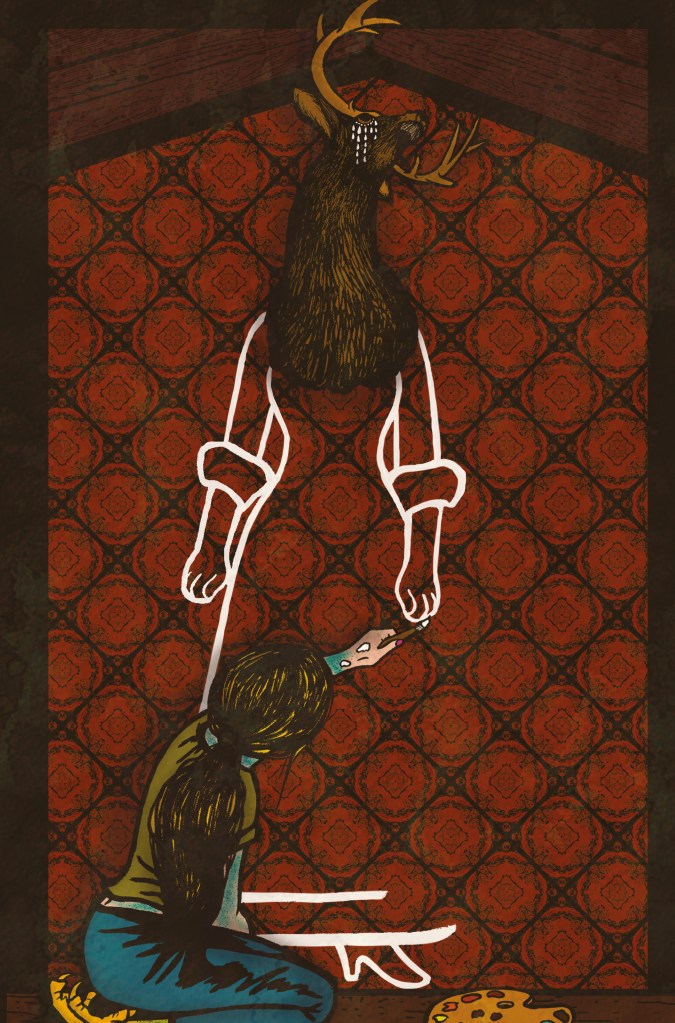
Cynthia Von Buhler: The pulp comic books of the twenties and thirties inspired my graphic novel drawing style. I love the paper texture, muted colors, and realistic line drawing. My actors inspire my writing style.

Meghan: What do you think makes a good story?

Cynthia Von Buhler: A good story, play or film needs to teach you something about life.

Meghan: What does it take for you to love a character? How do you utilize that when creating your characters?

Cynthia Von Buhler: Loveable characters are not perfect. Like all of us, they battle their inner demons and struggle. I seek out my own demons and haunt my characters with them.

Meghan: Which, of all your characters, do you think is the most like you?

Cynthia Von Buhler: I think all of my characters have a little bit of me in them. With The Illuminati Ball, Iโ€™m compassionate, trusting and kind like Pig King, but Iโ€™m also aggressive and angry like Chumanzee. In The Girl Who Handcuffed Houdini, Iโ€™m like Minky Woodcock and Harry Houdini. Humans contradict themselves.

Meghan: Are you turned off by a bad cover? To what degree were you involved in creating your book covers?

Cynthia Von Buhler: Absolutely. The cover needs to be special. I draw all my books, including the covers. We also hire artists to do alternate covers and I get to choose them.

Meghan: What have you learned creating your books?

Cynthia Von Buhler: That creating a book is the easy part. Promoting is the hardest.

Meghan: What has been the hardest scene for you to write so far?

Cynthia Von Buhler: When you kill characters you love it is always hard.

Meghan: What makes your books different from others out there in this genre?

Cynthia Von Buhler: I try to make every single panel a work of art. Many comics have a good cover and the interiors are too simple or poorly drawn. My books are fairly unique. I donโ€™t think there are many out there like them. Iโ€™m not interested in superheroes or fantasy monsters. My books are always based on shocking facts.

Meghan: How important is the book title, how hard is it to choose the best one, and how did you choose yours (of course, with no spoilers)?

Cynthia Von Buhler: A good book title is crucial. I love writing them and yes, I always choose them.

Meghan: What makes you feel more fulfilled: Writing a novel or writing a short story?

Cynthia Von Buhler: I write graphic novels or childrenโ€™s books. Iโ€™m only interested in creating books with pictures.

Meghan: Can you tell us about some of the deleted scenes/stuff that got left out of your work?

Cynthia Von Buhler: I toned down some of the steamier scenes.

Meghan: What is in your โ€œtrunkโ€?

Cynthia Von Buhler: Iโ€™m working on a graphic novel about a girl who is half human and half tree. I also envision it as a puppet show.

Meghan: What can we expect from you in the future?

More books and plays โ€“ and maybe a TV show.

Cynthia Von Buhler: Where can we find you?

Cynthia Von Buhler:

The Illuminati Ball ** Mindy Woodcock ** Cynthia Von Buhler
Twitter ** Instagram

Meghan: Do you have any closing words for your fans or anything youโ€™d like to say that we didnโ€™t get to cover in this interview?

Cynthia Von Buhler: Be not a cancer on earth โ€“ leave room for nature. Leave room for nature.

Cynthia von Buhler, aka Countess von Buhler, is an American artist, performer, playwright and author. Hailed by the press as โ€œmultitalented and eccentricโ€ (Boston Globe), a โ€œrising starโ€ (NY Arts), and โ€œone of the top contemporary surrealistsโ€ (Art & Antiques), Cynthia von Buhler has made a name for herself as an award-winning and critically acclaimed fine artist, author, and illustrator. Her illustration work has won awards from the Society of Illustrators and has repeatedly appeared in American Illustration, Communication Arts, and the Society of Illustrator annuals of the best illustration in America. Von Buhler’s stunning, three-dimensional paintings have been displayed in galleries and museums around the world, and have been featured in books, newspapers and magazines from Rolling Stone to The New Yorker. The New York Times has written four features on her in the last five years. Von Buhler has collaborated on art projects with Steven Spielberg, Neil Gaiman, and Clive Barker. She has illustrated book covers for Harry Turtledove, Scott Oโ€™Dell, Jane Yolen, Elizabeth George Speare, and Lawrence Block. Her sculptures have appeared on NBC’s Law & Order: Special Victims Unit, she and her work were profiled in Mary Magdalen: An Intimate Portrait on the Lifetime Network, and she was a recurring character on Discovery Channelโ€™s Oddities. Von Buhler also writes, directs and produces immersive theater. In writing about her theater productions, Forbes called her โ€œa creative geniusโ€ and the New York Post wrote, โ€œVon Buhler has the kind of family footnote any writer would kill for.โ€ Von Buhler was the lead singer in two seminal Boston bands, The Women of Sodom and Countess, the latter garnering her a development deal with MCA Records. Her comic work includes Evelyn Evelyn: A Terrible Tale in Two Tomes with Amanda Palmer and Jason Webley, An Evening with Neil Gaiman and Amanda Palmer, Speakeasy Dollhouse: The Bloody Beginning and Emily and The Strangers.

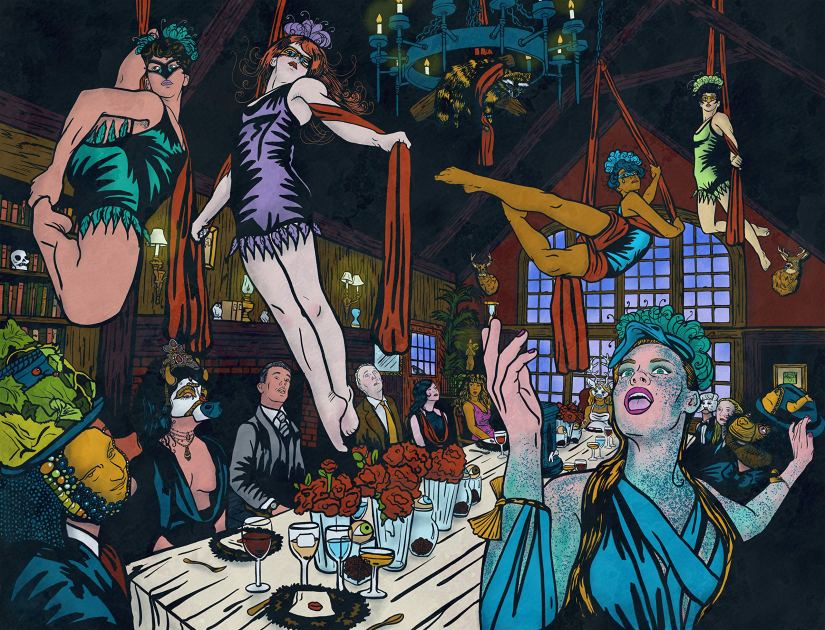
Cynthia von Buhler, acclaimed author and visual artist of Minky Woodcock, brings her immersive theater production The Illuminati Ball to Graphic Novel form.

Acclaimed author and visual artist Cynthia von Buhler (Minky Woodcock: The Girl Who Handcuffed Houdini) brings her hit immersive theater production The Illuminati Ball to the page in an all-new graphic novel which merges the myth and mystery surrounding the secret organization of the rich and powerful who supposedly control the world with a story about human-animal hybrids who have escaped an experimental lab. Inspired by the legendary 1972 surrealist masquerade party that influenced Stanley Kubrick’s film Eyes Wide Shut — hosted by the Baron and Baroness de Rothschild at their mansion in Paris — The Illuminati Ball combines elements of the fantastical with reality to tell an unforgettable story about power, cruelty, deceit, betrayal, and the insatiable hunger for freedom.

Halloween Extravaganza: INTERVIEW: Adam Davies

Meghan: Hi, Adam. Welcome to Meghan’s House of Books. Thanks for joining us here together. Tell us a little bit about yourself.

Adam Davies: I’m forty-five and live in a village in Yorkshire in the north of England (Stark country, not as far north as wildlings). I have an amazing, supportive, beautiful wife and two incredible daughters soon to turn eight and six. My real-world job is procurement and supply chain director for a business that distributes medical consumables. Two of my three cats that passed away in the last eighteen months so I’m down to an incredibly handsome, long-haired ginger tom, Jambo.

Meghan: What are five things most people donโ€™t know about you?

Adam Davies: Iโ€™m a huge introvert and find people totally exhausting, but you would never know this if you met me because I can come across as quite outgoing and I like to joke and gossip. I didnโ€™t realise this introversion about myself until well into my mid-thirties. I’m very good at conflict, I have to be as part of my job, and my colleagues would all consider me quite feisty and combative at times, but very few people realise that I absolutely hate it and it eats away at me whatever I have to disagree with somebody. This is another revelation about my character that I only discovered in later life.I’m a high-functioning insomniac but have been able to bring that under control in the last four years by following a CBT online program. If there are any insomniacs reading this, I cannot recommend CBT highly enough it has changed my life. Where I previously averaged two to three hours sleep and had bad nights four nights in seven, I now average six to seven hours sleep I only have bad night’s one night in seven. The difference is incredible.I was a stage child taking dance and drama classes from the age of three and, by virtue of being a boy in a female dominated world rather than Talent on my part, I ended up appearing on national television on Christmas day and even as an extra in a film with Michael Palin and Dame Maggie Smith.Last summer I had a panic attack on a small aerial assault course on holiday in Italy. Iโ€™ve never been scared of heights before and I was no more than twenty feet off the ground. Fear of heights is something else didn’t know about myself.

Meghan: What is the first book you remember reading?

Adam Davies: I have two iconic childhood reading memories. The first is Dinosaurs and All That Rubbish, by Michael Foreman. My favourite book as a young child which I recently bought for my own daughters. It was very much ahead of its time with an incredibly relevant environmental message that we as a race have failed to heed. I also remember a book called Wereboy, by Terrance Dicks. As an eleven or twelve-year-old I borrowed this from the local library dozens, if not hundreds of times to read over and over again. I’ve never linked that memory to the fact that I write horror, but I guess a seed was clearly planted.

Meghan: What are you reading now?

Adam Davies: Vox by Christina Dalcher. Itโ€™s set in the immediate future where the ultra-conservative right has the presidency and women are prohibited from speaking more than one hundred words per day. It’s thought (and anger) provoking, chilling and well written. I recommend it.

Meghan: Whatโ€™s a book you really enjoyed that others wouldnโ€™t expect you to have liked?

Adam Davies: I was lucky enough to backpack around the world for a year in my mid-twenties. I read a succession of medical thriller novels by Robin Cook that I picked up at various hostel book exchanges. I found them all incredibly gripping despite the fact that they are ultra-formulaic and very not my thing in normal circumstances

Meghan: What made you decide you want to write? When did you begin writing?

Adam Davies: This is probably the most interesting questionable for me. I first put pen to paper three years ago in my early forties. I never knew I wanted to write, and I’ve never had the remotest inclination to try it. My youngest was coming up to two years old so we still had a baby monitor. I had the thought what have you heard somebody whispering to your child through your baby monitor while you were both downstairs and, on a whim, I decided to try and write that story. It quickly became an exploration of what happens to a coupleโ€™s relationship when they have a baby anthropomorphized into horror. I have seventeen thousand unpublished words somewhere that I hope one day to complete, but it became clear to me writing a novel was too hard for me and I had no idea what I was doing. In parallel I stumbled on a few Creepypasta I really enjoyed, Candle Cove, Mr Widemouth and Penpal stick in my mind. The Creepypasta led me to NoSleep on reddit and I suddenly realised I could write short stories and that would be easier than a novel and would help me learn. That probably marks the actual beginning of my writing. Over the course of twelve months I wrote around thirty-five stories I posted across r/NoSleep and r/shortscarystories on reddit. Through these subs I met a bunch of Incredible, talented fellow writers who I am part of various groups with to this day. I have been lucky enough to have a few short stories published in anthologies run by groups I met through NoSleep.

If thatโ€™s the how & when, the why is less clear. Now that I am writing I realise I have always imagined stories and always wanted to tell them. Iโ€™m under no illusions, I donโ€™t have what it takes to have a career as a writer, thatโ€™s not my goal. I just want to write what I want and tell the stories that mean something to me. If anyone wants to read them thatโ€™s the icing on the cake.

Meghan: Do you have a special place you like to write?

Adam Davies: Special places to write don’t really exist in a house with young children in my experience!

Meghan: Do you have any quirks or processes that you go through when you write?

Adam Davies: In terms of quirks, due to the amount of time I spend in my car with work, around four hours a day, I do an awful lot off my writing on a voice to text app as I drive. Without that I wouldnโ€™t get the time to write anything. It takes an awful lot of getting used to. Not being able to see the words on screen in front of you adds a layer of complexity and wordsmithing is out of the question, but itโ€™s good for rough drafting and just getting words on paper. There is significant editing required as the speech recognition with the background noise of the car can be pretty sketchy at times. This often leads to some hilarious sentences like โ€œCallow 10 hatch Rossi akon hashish ready 2 evade.โ€ I then have to figure out what I was actually saying at the time and translate back.

Meghan: Is there anything about writing you find most challenging?

Adam Davies: I never enjoyed studying English in school, so I dropped it aged sixteen. As a result, I lack a lot of fundamentals. I particularly struggle with punctuation and grammar. I seem to have a complete blind spot on how to correctly use commas despite reading dozens of articles about the rules for doing so. The fact that I find it so difficult part of the fun for me. I love mastering things I find a challenge.

Meghan: Whatโ€™s the most satisfying thing youโ€™ve written so far?

Adam Davies: A short story called โ€˜The Worm King.โ€™ I remember being told about the cellular memory of worms in my mid-twenties and the concept of an all-powerful worm has sat in the back of my mind for decades. Itโ€™s short and snappy, with just enough science to make it almost plausible and make it a bloody scary concept. It also elicited a really fun set of interactions with the readers who commented on the story which really made it for me.

I also have a huge soft spot for the only childrenโ€™s horror story I have written โ€˜Granny Heckleโ€™s Teeth.โ€™ I have a bunch of stories planned for the formidable Granny and Iโ€™d love to publish them one day with my daughter doing the artwork. (Sheโ€™s only eight but seriously talented.)

Meghan: What books have most inspired you? Who are some authors that have inspired your writing style?

Adam Davies: I think writing is still so new to me that I’m not sure I actually have a style yet. I love Clive Barker. His anthology The Books of Blood remain one of my all-time favorites. He has an incredible, vast imagination and tells stories on an epic scale which is something I aspire to. In non-horror I think A Song of Ice and Fire by George R.R. Martin are the best books ever written. Again, the vastness and depth of the world and character building really appeal to me.

Meghan: What do you think makes a good story?

Adam Davies: Engaging characters and storylines that make you think.

I’m a horror writer that isn’t scared by horror. When I get a chill down my spine, itโ€™s because something has made me think wow, that could really happen and it’s a chilling prospect. I enjoy psychological horror and technology horror as they tend to elicit those kinds of reactions in me.

Meghan: What does it take for you to love a character? How do you utilize that when creating your characters?

Adam Davies: I like a sharp wit, and a misunderstood character will often draw me in, so somebody like Tyrion Lannister is a great character for me. He is deeply flawed and thoroughly unpleasant but mostly vilified for the wrong things. He has the confidence and acid tongue to deliver some stinging one-liners.

My own character development is something I struggle with. Short form horror is by its nature plot driven more than character driven, and in venturing into writing my first novel, I’ve had to try and force myself to address that in my current work in progress. I think there are some decent characters, but I am about to overhaul my main character. I think he lacks enough depth and interest to carry the book. I canโ€™t visualize him clearly, and I donโ€™t always know how he will react in a situation. If I donโ€™t know that, how can the readers care?

Meghan: Which, of all your characters, do you think is the most like you?

Adam Davies: William Bridge the main character in my novel (who isnโ€™t interesting enough to carry a book!) probably represents many of the less positive things I think about myself. He is a loner, disengaged from the world and doesnโ€™t care about other peopleโ€™s live. Captain Harold Stubbs, a homeless veteran from the same novel, probably possesses some of the positive qualities I’d like to think I have. He is loyal and honorable.

Meghan: Are you turned off by a bad cover? To what degree were you involved in creating your book covers?

Adam Davies: I don’t know if they turn me off as much as a good cover definitely draws me in. My published work to date is in group anthologies where I had visibility of covers, and a small amount of inout between options. When I finish my novel and get to the point of needing a cover, I’m looking forward to being heavily involved in that. I confess to having a soft spot for a gold old fashioned eightyโ€™s horror cover.

Meghan: What have you learned creating your books?

Adam Davies: So many things! The most enjoyable thing I’ve learnt is a reminder of how important imagination is. More than anything, writing for me is a gateway back to my childhood where imagination was more powerful than reality. I am lucky enough to have a happy and stable life, but reality can still suck at times. Writing means I get to create my own reality where ultra-cool shit happens, and monsters abound. Even though I don’t write about happy things, I get to write about things I find intriguing.

Meghan: What has been the hardest scene for you to write so far?

Adam Davies: My cheating answer is some of the scenes I haven’t written yet. I find endings difficult (we all do, right?), so the fact that I can’t yet conceptualize the end of my novel makes it hard to write. I donโ€™t do happy endings so in my head the bad guys win. Iโ€™m not sure people are going to want to read that.

Iโ€™ve found some of the earlier, more mundane, character building scenes from my novel difficult for some of the reasons I mentioned above about finding character development a challenge. Not really being in love with my own main character has been a factor, and as the scenes have intrinsically less plot, they are further away from my comfort zone. Iโ€™m a horror writer so I have my fair share grisly scenes and even a few sex scenes. (I have a story in a horror erotica anthology, donโ€™t judge me, it was huge fun.) Unpleasant stuff Iโ€™m fine with, mundane stuff I find harder.

Meghan: What makes your books different from others out there in this genre?

Adam Davies: I don’t know yet is the honest answer. I’m trying to write a novel that is vast and complex with intertwined stories as part of a larger narrative arc. It has a message about how I view the world today and gives a uniqueness to some tried and tested horror bad guys. If I actually achieve one of those three things, Iโ€™d be pretty happy.

Meghan: How important is the book title, how hard is it to choose the best one, and how did you choose yours (of course, with no spoilers)?

Adam Davies: With the birth of my writing career being on NoSleep, the title e is often the single most important factor in the number of eyeballs your story gets. When it comes to a novel, I think the significance of the title drops several pegs. The cover, the promotional activity and reviews are more important for visibility, I think.

My current WIP title comes from a prediction made in the story by something called โ€˜The Reaper Appโ€™ that predicts how and when people will dieโ€ฆwith unnerving accuracy.

Meghan: What makes you feel more fulfilled: Writing a novel or writing a short story?

Adam Davies: Short stories give instant gratification. Write it, get it out, look at the feedback and move on. Itโ€™s a really nice feeling. But for me, the real sense of fulfillment has to come from the novel. Itโ€™s a huge challenge for me on so many levels. Iโ€™m a rank amateur, I lack the fundamental skill set, I donโ€™t have the time, all of these are challenges I can overcome and get a big, bold story out there.

Meghan: Tell us a little bit about your books, your target audience, and what you would like readers to take away from your stories.

Adam Davies: I want to tell stories that terrify by making you think. I want them to unnerve and unsettle because they are a dark spin on a reality that is a little too close for comfort. My only real target audience is people like me, who read horror stories that are tropey and come away feeling a little disappointed that the book didnโ€™t just go a little bit further.

Meghan: Can you tell us about some of the deleted scenes/stuff that got left out of your work?

Adam Davies: I have an extremely graphically unpleasant scene that may not make the final cut. Itโ€™s a transformation scene where a character is basically tortured into taking their own life to escape the agony. Itโ€™s borderline gratuitous, but it is important for the story. Iโ€™m on the fence.

Meghan: What is in your โ€œtrunkโ€?

Adam Davies: I have two. My Granny Heckle stories and the completion of my first baby monitor story that I suspect would end up as a novella.

Meghan: What can we expect from you in the future?

Adam Davies: I love #vss365 and do a horror themed tweet every day, so If nothing else there will be that.

All current efforts are focused on the first novel. Iโ€™m at 50,000 words so making decent progress, but it could easily be another year before I even have a finished first draft at the rate I write.

I also have a second novel idea and about 15,000 words written. I would describe it as โ€˜Dune, with Faeries,โ€™ so yeah, that oneโ€™s a bit left field.

Meghan: Where can we find you?

Adam Davies: Twitter ** Facebook

I have a lousy website that needs an overhaul, nothing to see there currently.

Meghan: Do you have any closing words for your fans or anything youโ€™d like to say that we didnโ€™t get to cover in this interview?

Adam Davies: Just a huge thank you for interviewing me. Iโ€™m a complete nobody but Iโ€™m having a whale of a time writing and this is a huge opportunity for me that I really appreciate. The questions were thought provoking and I enjoyed the process.

Adam Davies writes thinking personโ€™s horror for fun, and to free his imagination, if he didnโ€™t, all those crazy thoughts would stay trapped in his head and who knows what would happen? Adam has six short stories published across four anthologies and is currently working on his first novel. Adam is an active part of the indie online horror community and founded the NoSleep Writers Guild in 2017 to help improve relationships between internet horror writers and YouTube horror narrators, and combat IP theft. His published works can be found in:

A Cure for Chaos: Horrors from Hospitals and Psych Wards
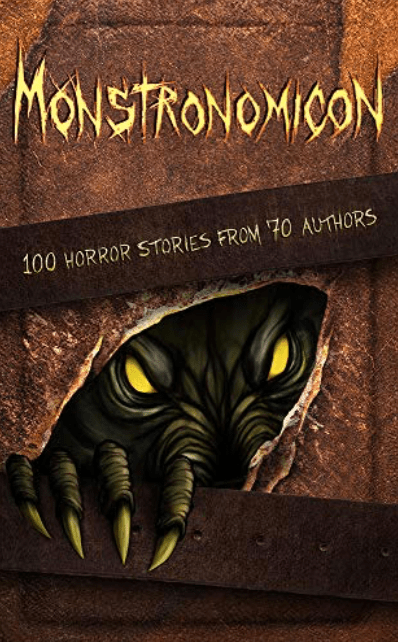
Monstronomicon: 100 Horror Stories from 70 Authors
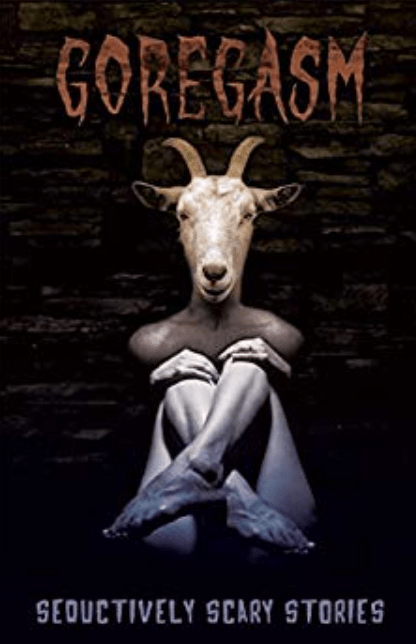
Goregasm: Seductively Scary Stories
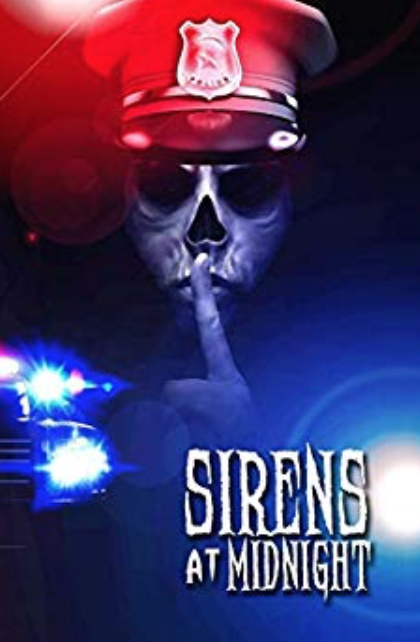
Sirens at Midnight: Terrifying Tales of First Responders

A Cure for Chaos: Horrors from Hospitals and Psych Wards

Life is chaos. Death is the only cure. 

You’re never so vulnerable as when you surrender your body to a hospital.

You trust the doctors to know what is best, but these stories show what happens when they have other plans.  

What if a maternity doctor pretends your child died during birth just so he can steal it? Or a simple operation is used as an excuse to harvest parts? Discover the truth of the asylum in the woods, take the pills which induce mind-bending phobias, and try to escape when you’ve been institutionalized against your will. 

A CURE FOR CHAOS is an anthology of horror stories from 30 authors, each with a unique way to thrill and terrify you. From stalking supernatural monsters to the psychopaths hiding in plain sight, these quick reads are perfect for adding excitement to your daily life. 

Monstronomicon: 100 Horror Stories from 70 Authors

THE MONSTER BOOK OF MONSTERS is a collection of 100 stories from around the world, inspired by the legendary book from Harry Potter. These aren’t your everyday Werewolves and Wendigos either. Each story is told by the survivor of an encounter with a unique and mysterious creature more wild and varied than you can imagine. This book has something for everyone with a dark mind, so read now to find the perfect monster for you.

Some monsters are quirky and friendly, while others are apocalyptic behemoths crawling up from the depths. Some stories are heartwarming, funny, or profound, while others are a blood bath.

Goregasm: Seductively Scary Stories

Goregasm is a compilation of the hot and the horrifying, the sexy and the scary, the titillating and the terrifying. Featuring X stories from over X authors, Goregasm contains the most vile tales of lust the human mind can conjure. 

From a fatherโ€™s bequeathal of his sordid sexual proclivities, to a glory hole made by the devil himself, to a computer program that allows its users to partake in their most depraved fantasies, Goregasm takes a frightening dive into the sexual psyche, with blood-curdling tales that are presented with the hardest, deepest, most throbbing details the written word allows. 

Prepare to be aroused and appalled as Goregasm brings you to what will unquestionably be the most divisive climaxes you ever achieve.

Sirens at Midnight: Terrifying Tales of First Responders

Each and every day, first responders are thrown into situations most of us can barely comprehend. These brave souls are pushed to limits far beyond the average imagination, be it physically, emotionally or something…else… 

Like a police officer who arrives at a scene that defies all logic and reason… 

A firefighter who rushes into a house only to be met by the very flames of Hell… 

A paramedic who can’t restart a heart…because the patient doesn’t have oneโ€ฆ 

A 9-1-1 call from beyond the grave… 

With 40 terrifying tales from 31 authors, join the heroic men and women of those professions and more as they attempt to rise above the darkness…and avoid having the last sounds they ever hear be… 

Sirens at Midnight 

Halloween Extravaganza: A.J. Brown: Halloween

A.J. Brown joins us today to tell us a little bit about his favorite holiday and the story of a really good friend of his, now gone.


Halloween is my favorite day of the year. It also used to be Chris Dunneโ€™s favorite day. I say used to be because Chris died on Halloween night in 1995. For the record, this is not a lead in to a fictional story of some movie slasher who wears a mask and carries a chainsaw or machete or has Wolverine type claws on his fingertips. Please, understand that now before you read any further.

I donโ€™t want to tell you the story of Chrisโ€™s death, though I have to, somewhat, so you understand. Iโ€™ve already written a book about his death and the events leading up to it. For those who donโ€™t know, he died of a gunshot wound to the head. Iโ€™m going to leave out the rest of the details. If you want those, you can pick up Closing the Wound and read all about it.

What I want to write about here today is the irony of something he did, something I helped him do. Stick with me for a few paragraphs and Iโ€™ll try to make this as painless as possible.

Most of you know me as an author of dark stories, most of which are considered horror. Before I began writing, I used to draw. My favorite things to draw were superheroes. I have entire sketch pads dedicated to just superheroes. One Sunday at church I wasnโ€™t feeling the message. Iโ€™m not going to lie here, the sermon was boring and the preacher lost me at hello. On the back of the bulletin I drew a picture of a man holding a balloon and floating awayโ€”it was what I wanted to do right then: float away. It was nothing special, just a sketched out person holding a balloon, shaded to look like it could have been red or blue or some other dark color.

After church, in the car as I took Chris home, he said to me, โ€œThatโ€™s a pretty cool drawing you did in church.โ€

Part of me was embarrassed that he saw it. The other part was flattered. However, Iโ€™ve never been good at taking compliments, so I played it off with, โ€œItโ€™s just a sketch. I do them all the time.โ€

Thatโ€™s when Chris asked me, โ€œCan you teach me how to draw like that?โ€

I shrugged. โ€œSure. Why not?โ€

A couple of weeks later, he came to my house. We sat at a picnic table in the backyard, each of us with paper and pencils in front of us. I showed him the basics of drawing, using shapes, like ovals, squares, rectangles and triangles. He drew those shapes on his paper, just as I had on mine. I showed him how to connect the shapes and add depth and layers to the drawing. He seemed to really enjoy creating something from a piece of paper and a wooden stick with lead in it.

That began a run of a few weeks where he came over on either Saturday or Sunday and we would draw together, me showing him and him learning and getting better.

Abruptly, those lessons stopped when he met Chris Pettite. He was a year older and looked like a weaselโ€”literally, his face had the shape of a weaselโ€™s. He was also a bad boy. He didnโ€™t play by the rules and he was good at manipulation. (For the sake of the rest of this part, I will refer to the boys as CD for Dunne and CP for Pettite, otherwise there is the potential for a lot of confusion.) It was mid-summer when they met and CDโ€™s life changed.

CD left the church we all attended. He started skipping school. He stopped hanging around all of his old friends. His skin took on a different appearance, almost waxy, as if he no longer took showers. The skin beneath his eyes always seemed to have gray or bruised bags beneath them. There was speculation that he was using drugs and doing things he shouldnโ€™t be. During that time period, he turned sixteen, and what can you tell a sixteen-year-old rebellious boy? Nothing. Thatโ€™s the answer. Not a thing.


On Halloween morning in 1995 I talked to him around eight. It was the last time I talked to him. Around twelve or so hours later, CD would be dead.


Just writing that sentence gave me goosebumps and brought tears to my eyes.

Before I go, I want to tell you about the irony of Chrisโ€™s death and drawing superheroes. Chris, as I stated earlier, loved Halloween. He loved horror movies and the darker side of entertainment. The last time he came to my house for a drawing session, he left a few pictures in a brown letter-sized envelope. I didnโ€™t think anything of it and I put it in my portfolio of pictures. Years later, after I wrote the original form of Closing the Wound, I came across that envelope. Not knowing what was in it or who it even came from, I opened it.

My heart stopped. Well, I believe it stopped. If not, it missed a good chance to do so. There were three pictures, one that held a word and two that were actual pictures. The first one I saw made my stomach drop into my thighs. It was a picture of a coffin. Above it was the word FUNERAL. The second was the single word, which was the same one on the coffin picture and on the last one as well. The third image was of this big, muscle bound hero with a spike on the backside of each hand. He had a little, bald head and a huge body.

As I stared at the pictures, the only thoughts I had were I taught my friend how to draw a coffin and a hero who went by the name of Funeral. In writing, we call this foreshadowing. In life, we call it heart wrenching. Iโ€™ll never say my friend had a death wish, but you have to admit, thatโ€™s kind of what it looked like when I found those pictures.

Chris loved the darker things in life. He loved Halloween. In hindsight, he might have even foreshadowed his own death.

I leave you with this: though my friend is gone and has been for many years, I still think about him on a regular basis, especially on Halloween. So, this year, if you wouldnโ€™t mind, get your favorite candy bar and raise it in the air for my friend, Chris.

I hope you all have a wonderful Halloween. As for me, I will, even as I remember my friend.

Until we meet again, my friends, be kind to one another.

A.J.

A.J. Brown is a southern-born writer who tells emotionally charged, character driven stories that often delve into the dark parts of the human psyche. Though he writes mostly darker stories, he does so without unnecessary gore, coarse language, or sex. More than 200 of his stories have been published in various online and print publications.

Website ** Blog ** Amazon ** Facebook ** Twitter ** Instagram ** Email

Halloween Extravaganza: INTERVIEW: A.J. Brown

A.J. Brown is back for round three of the interviews, which is really exciting. If you’re not following him on social media – and reading his stuff – you are surely missing out. Not only talented, but a great conversationalist, motivational and thought-provoking.


Meghan: What are your go-to horror films?

A.J. Brown: Lost Boys is one of my favorites. And World War Z. Sadly, I donโ€™t find many horror movies scary. I wish I did.

Meghan: What makes the horror genre so special?

A.J. Brown: Scaring people is hard. I think the original intent of horror was to scare people, unsettle them, make them think about the darker things of life. Horror doesnโ€™t shy away from taboo subject matters. Itโ€™s not politically correct. I feel horror is truer to real life than any other genre. Thatโ€™s pretty special, if you ask me. Oh wait. You did.

Meghan: Have any new authors grasped your interest recently?

A.J. Brown: Pete Molnar. Holy cow. His book Broken Birds is great.

Meghan: How big of a part does music play in creating your โ€œzoneโ€?

A.J. Brown: Music is a HUGE part of creating the writing zone. Each story has a soundtrack, whether I realize it at first or not.

Meghan: What do you listen to while writing?

A.J. Brown: It really depends on my mood and the story, but most of the time, I listen to Metallicaโ€™s instrumentals. Not having lyrics in my head as I write makes it easier and I love the ebbs and flows of Metallicaโ€™s music.

Meghan: How active are you on social media?

A.J. Brown: Iโ€™m not very active on Twitterโ€”I just donโ€™t get it. Iโ€™m somewhat active on Instagramโ€”Iโ€™m still trying to figure it out. I am very active on Facebook, both on my personal page and my author page. Though I think advertising on social media is often a waste of time and falls on blind eyes, I like to engage with people, let them see who I amโ€”this is my way of getting readers comfortable with me, and hopefully, get them to purchase a few books from time to time.

Meghan: How do you think it affects the way you write?

A.J. Brown: Occasionally, I get an idea from social media, but it really doesnโ€™t influence me much.

Meghan: What is your writing Kryptonite?

A.J. Brown: Marketing. I suck at it.

Meghan: If you were making a movie of your latest story/book, who would you cast?

A.J. Brown: My latest book is Interrogations and it continues the Hank Walker saga, so it would have to be Matthew McConaughey.

Meghan: If you had the choice to rewrite any of your books, which one would it be and why?

A.J. Brown: I wouldnโ€™t. The stories are the way they are.

Meghan: What would the main character in your latest story/book have to say about you?

A.J. Brown: Heโ€™d say I was a jerk for putting him through all of the drama and death. He probably wants to kill me, to be honest.

Meghan: Did you hide any secrets in your books that only a few people will find?

A.J. Brown: Oh yeah. I do that in a lot of my stories.

Meghan: How much of yourself do you put in your books?

A.J. Brown: Thereโ€™s a little of me in every story. There has to be. I think authors are influenced by the lives they have lived, the things they have seen, heard, touched, tasted and smelled. Some stories, like Dredging Up Memories and Coryโ€™s Way have a lot more of me in them, but every story has something from my life as an influence.

Meghan: Have you ever incorporated something that happened to you in real life into your novels?

A.J. Brown: Yes. The two bullies from Coryโ€™s Way were real bullies from my childhood. A scene from a novel I wrote appears, almost exactly like it happened when I was a kid. My novella, Closing the Wound, is the true story of a kid who was murdered in 1995โ€”I knew the kid and it was a devastating event.

Meghan: Are your characters based off real people, or did they all come entirely from your imagination?

A.J. Brown: A little bit of both. I think every character we create is based, loosely, on other people, their characteristics, mannerisms, appearance. Someone or quite a few someones had to influence them.

Meghan: How do you think youโ€™ve evolved creatively?

A.J. Brown: I used to write crap. Now, I donโ€™t. The longer answer is Iโ€™ve learned what telling a story truly is. Itโ€™s not a matter of just putting words to paper, but putting words that make sense and carry a story forward that matters. Cheesy B movies influenced a lot of my earlier stuff, and thatโ€™s not necessarily a good thing. Now, lifeโ€”real lifeโ€”pushes a lot of my creativity.

Meghan: What is the most difficult part of your artistic process?

A.J. Brown: Keeping my butt in the seat. I want to write all day, but focusing on it long enough to get more than a few hundred to a thousand words in one sitting is difficult. Itโ€™s amazing that Iโ€™ve finished as many pieces as I have.

Meghan: Does writing energize or exhaust you?

A.J. Brown: Both. When I get in a particularly good flow where words are just pouring onto the paper, then I donโ€™t want to stop and I get excited for the written word. On the other hand, if I am struggling through a piece, I know itโ€™s not going to be all that great and it gets more and more difficult to finish the piece, and that is exhausting. Itโ€™s almost like the writing is work during those times.

Meghan: Do you read your book reviews?

A.J. Brown: Yes. I read all of them. If someone took the time to read my book and leave a review, they deserve, at the very least, me to read what they have to say.

Meghan: How do you deal with the bad ones?

A.J. Brown: I look at what they said and see if there is a way to improve on telling stories. Most of the negative reviews I have received have given reasons why the story wasnโ€™t liked. Those are things I can focus on for other stories.

Meghan: Have you ever learned something from a negative review and incorporated it into your writing?

A.J. Brown: Most definitely.

Meghan: What are your ambitions for your writing career?

A.J. Brown: I want people to read my words. I want them to be moved by my stories. I want them to feel something when they read what I write. I would be lying if I said I didnโ€™t want people to buy my books and to be a popular writer, but if someone reads one of my stories and then tells three of his or her friends, then they tell three of their friends, and so on, then popularity will grow and people will buy the books. Thatโ€™s not a bad thing.

Meghan: What does โ€œliterary successโ€ look like to you?

A.J. Brown: Being read by a lot of people would be nice. Success isnโ€™t always about moneyโ€”itโ€™s about how you are viewed and if people want what you write. Itโ€™s about moving someone to tears. If you can touch someoneโ€™s heart, you are a success.

A.J. Brown is a southern-born writer who tells emotionally charged, character driven stories that often delve into the dark parts of the human psyche. Though he writes mostly darker stories, he does so without unnecessary gore, coarse language, or sex. More than 200 of his stories have been published in various online and print publications.

Website ** Blog ** Amazon ** Facebook ** Twitter ** Instagram ** Email

Interrogations

Hank Walker woke up in a bed in survivor camp. He should have been dead, and a short time after that, he should have risen and joined the ranks of the shambling bitersโ€”those who had died and come back seeking the flesh of the living. Instead, he woke up alive and in a safe place. 

Or is it truly safe? 

Ruled by Harrison Avis, a militaristic leader, Hank realizes quickly Fort Survivor S.C. #3 might not be so safe after all, especially for those who do not find favor with Avis. 

When a member of the camp is exiled to the outside world, Hank launches a plan to expose Avis as corrupt. Itโ€™s a plan with possible grave consequences for all involved. Though he knows the dangers of failing, Hank is willing to take the risk to protect what remains of his family, if not from Harrison Avis, then from himself. 

Closing the Wound

On a Saturday morning in early February of 2002, the phone rang. How was I supposed to know the voice on the other end would ask a question I dreaded answering? 

“What happened that night?” 

That night was Halloween of 1995, when a young man was brutally murdered. 

Swallowed by a rush of memories and the word, Goodbye, I took a trip to the past, where some wounds never heal. This is my story.

Cory’s Way

After his father leaves in the middle of the night, Cory Maddox and his mom, Gina, are forced to start over. Left alone while Gina tries to work her way out of debt, Cory deals with life as the new kid in school with no friends. Fleeing from the school bullies, Cory ends up under an overpass where an old homeless man lives. After being saved from the bullies, Cory and the homeless man, Mr. Washington, become friends.

But things donโ€™t get any easier for Cory. Children are disappearing from around the state, and the bullies havenโ€™t forgotten his escape the first time they went after him. And there is something wrong with Mr. Washingtonโ€ฆsomething terribly wrong. 

Accompanied by his only two friends and the unlikeliest of allies, Cory sets out to keep a promise to the ailing homeless man. Will Cory and his friends find a way to keep the promise, or will the journey prove too difficult for them?

Dredging Up Memories

In the best of times, loneliness is difficult. At the end of time it can be deadly. Hank Walker is alone and struggling not just with the undead but with depression that threatens to swallow him. Searching for the family he sent away at the beginning of the rise of the dead, Hank is left to deal with loneliness, desperation, and his own memories that haunt him. The dead are everywhere. The few people still alive are scattered, and the ones Hank comes across may be more dangerous than the biters. With an unlikely traveling companion, Hankโ€™s search takes him across the state of South Carolina and to the depths of darkness like nothing he has ever experienced before. Can Hank find his family and survive the biters? Or does he completely unravel in the world of the dead?