Halloween Extravaganza: INTERVIEW: Martin Berman-Gorvine

Meghan: Hi, Martin. It’s always fantastic to have you on the blog, so thank you for agreeing to come back another year. We’re going to do things a little different in this one. What are your go-to horror films?

Martin Berman-Gorvine: The first two Scream movies and I Know What You Did Last Summer for their casts. It Follows, although the title reminds me of a mathematical theorem. The Babysitter, because of Samara Weaving, though the movie is a turkey otherwise.

Meghan: What makes the horror genre so special?

Martin Berman-Gorvine: Well, my therapist says the emotions it evokes are “primitive.” That’s true, but all you have to do is look around at what’s going on in the world to see that almost everyone is ruled by the primitive, including those who think they are most sophisticated. Horror admits these truths, primarily the fear of death and pain and that it’s all meaningless, that most people like to look away from.

Meghan: Have any new authors grasped your interest recently?

Martin Berman-Gorvine: Shout-out to K Chessโ€™s amazing alternate history novel, Famous Men Who Never Lived, a wonderfully imaginative and empathetic exploration of what it feels like to be the ultimate refugee, a โ€œUniversally Displaced Person.โ€

Meghan: How big of a part does music play in creating your โ€œzoneโ€? What do you listen to while writing?

Martin Berman-Gorvine: Bob Dylan, Leonard Cohen, and Regina Spektor inspire me, but I can’t listen to any music with lyrics while I’m actually writing because it’s too distracting. If I have any music playing at those times, it’s instrumental pieces by J.S. Bach.

Meghan: How active are you on social media? How do you think it affects the way you write?

Martin Berman-Gorvine: Way too much! The feelings of rage I get from arguing with everyone who is Wrong On The Internet, especially about politics, combined with the utter futility of it all, may help fuel the sadistic impulses I channel in my horror fiction.

Meghan: What is your writing Kryptonite?

Martin Berman-Gorvine: See previous question. Facebook and Twitter are black holes of the writerโ€™s time.

Meghan: If you were making a movie of your latest story/book, who would you cast?

Martin Berman-Gorvine: Oh jeez, well this is kind of embarrassing because it can give people a very wrong idea of what I was up to, but in my Days of Ascension horror/dark fantasy series I always saw in my head the character of Suzie played by Buffy the Vampire Slayer star Sarah Michelle Gellar, her best friend and romantic rival Vickie played by Alyson Hannigan, who of course was the Gellar characterโ€™s best friend Willow on the show, and even a more minor character, Deena the โ€œmedicine woman,โ€ played by Michelle Trachtenberg, who was Gellarโ€™s sister Dawn on the show. The characters of Suzie and Vickie may have originally been very loosely inspired by Buffy and Willow, but they went off in their own directions very early on.

Meghan: If you had the choice to rewrite any of your books, which one would it be and why?

Martin Berman-Gorvine: It’s a temptation that should be resisted, in my opinion, to rewrite books once they’re out there in the world. I wrote The Severed Wing, which became my first published novel, almost twenty years ago, and there’s no question I am a different person now and could not write that novel now. This may be the one area of my life where I have zero temptation to look back.

Meghan: What would the main character in your latest story/book have to say about you?

Martin Berman-Gorvine: “Lucky bastard!”

Meghan: Did you hide any secrets in your books that only a few people will find?

Martin Berman-Gorvine: I name-checked my great-grandfather Dr. Nathaniel Greenwood in my first published novel, The Severed Wing, and my maternal grandparents Dr. Samuel and Mrs. Miriam Lieberman in my only self-published novel to date, Ziona: A Novel of Alternate History.

Meghan: How much of yourself do you put in your books?

Martin Berman-Gorvine: A lot! For instance, the story of how I came to write the Days of Ascension series begins a long time ago, when I was in my early teens. It’s a miserable time of life for a lot of people and I was certainly no exception, though like every other kid I thought I was the only one. I did have an extra layer because I was a nerd, which had no positive connotations back then, in the early eighties in America. For a boy there was an inevitable inference of sissyhood, and I was bullied. Around this time I wrote a satirical mini-sociological study of the different “types” of kids I saw around me, which you can find here on an old blog post I wrote. Of course I saw myself and my friends as Brainy Weirdos. Mutatis mutandis, these groupings became the Castes of All Souls Day.

Meghan: Have you ever incorporated something that happened to you in real life into your novels?

Martin Berman-Gorvine: Oh, all the frigginโ€™ time. I hate Mark Twainโ€™s stricture about writing only what you know, but it does seem to happen quite a lot in my novels. My ninth grade history teacher, for example, was a major asshole and antisemite who put a trash can over my head while the class howled with laughter. I rewarded him by making him the villain of my YA science fiction novel Monsters of Venus. Iโ€™m not sure the real waste of space is dead, so I added one syllable to his last name. Still, I hope he somehow stumbles on the book, recognizes himself, and has a stroke!

Meghan: Are your characters based off real people, or did they all come entirely from your imagination?

Martin Berman-Gorvine: Many are the real people I revenge myself on in my novels. I probably had the most fun in the first two books of the Days of Ascension series torturing and killing a character based on a psycho teacher I had in junior high (a different person from the trash can bully). Since my brother was kind enough to send me the real guyโ€™s obituary many years ago, I knew I was safe in calling the character based on him by the guyโ€™s REAL NAME, with only one letter changed! Man, it is sick what I did to that dude! You have to buy my novel Day of Vengeance to find out!

Meghan: How do you think youโ€™ve evolved creatively?

Martin Berman-Gorvine: Bolder tortures in my horror novels. Also, I am now perpetrating a romance novel.

Meghan: What is the most difficult part of your artistic process?

Martin Berman-Gorvine: Killing my darlings, as the saying goes. That is, having to cut beautifully written bits I’m fond of that just don’t fit in the larger work for one reason or another.

Meghan: Does writing energize or exhaust you?

Martin Berman-Gorvine: The actual writing is energizing and inspiring, when itโ€™s humming along. It’s all the time killing to avoid writing that’s exhausting.

Meghan: Do you read your book reviews? How do you deal with the bad ones? Have you ever learned something from a negative review and incorporated it into your writing?

Martin Berman-Gorvine: Do I read all my reviews? As Leonard Cohen sang in one of his last albums, โ€œThereโ€™s torture and thereโ€™s killing and thereโ€™s all my bad reviews/The war, the children missing, Lord, itโ€™s almost like the blues.โ€ I just had to restrain myself from arguing with the lone Amazon reviewer who trashed a satire I published under a pseudonym because he clearly hadnโ€™t read the thing. I made a video of myself once burning a bunch of publishersโ€™ rejection letters and pretending that act was a โ€œsacrifice to the Muse,โ€ does that count? No, I just tend to get annoyed by bad reviews, honestly. I havenโ€™t read one yet where I didnโ€™t think the numbskull just didnโ€™t get what I was trying to do. On the other hand, I happily follow most suggestions from editors and beta readers, so itโ€™s not like Iโ€™m a writer-diva.

Meghan: What are your ambitions for your writing career? What does โ€œliterary successโ€ look like to you?

Martin Berman-Gorvine: Groupies! I wonโ€™t know Iโ€™ve arrived until I have groupies following me around like Neil Gaiman does. I need quality groupies, mind you, the kind who can discuss details of the Whedonverse and Albert Camusโ€™ philosophy in the same breath.

Martin Berman-Gorvine is the perpetrator of the four-book Days of Ascension horror novel series, of which Judgment Day is mercifully the last. All Souls Day (2016), Day of Vengeance (2017), and Day of Atonement (2018) were also published by Silver Leaf Books, in an inexplicable lapse of literary judgment and good taste.

Martin is also the author of seven science fiction novels, including the Sidewise Award-winning The Severed Wing (as Martin Gidron) (Livingston Press, 2002); 36 (Livingston Press, 2012); Seven Against Mars (Wildside Press, 2013); Save the Dragons! (Wildside Press, 2013), which was a finalist for the Prometheus Award; Ziona: A Novel of Alternate History (as Marty Armon), an expansion of the short story โ€œPalestina,โ€ published in Interzone magazine, May/June 2006 (Amazon/CreateSpace, 2014); Heroes of Earth (Wildside Press, 2015); and Monsters of Venus (Wildside Press, 2017).

Martin lives in Maryland with his wife and the younger two of his three sons, four cats, and two Muppet-like dogs.

Days of Ascension 1: All Soul’s Day

If a demon and its servants ruled your ordinary town, demanding an annual virgin sacrifice, would you have the courage to stop them? And at what price? This question confronts Amos Ross, Suzie Mitchell, and Vickie Riordan, high school seniors in the new horror novel, All Souls Day. 

In an alternate reality of the 1980’s, twenty years after the Cuban Missile Crisis triggered World War III and left the United States a devastated wasteland, the ancient, demonic god Moloch, whose worship was forbidden by the Old Testament, exercises absolute control over the Philadelphia suburb of Chatham’s Forge. The town is an oasis of prosperity that the nuclear war hardly touched, but its comfort comes at a fearful cost: at the high school prom every year, the prettiest and most popular senior girl is chosen by Moloch and his servant, the evil Pastor Justin Bello, to be spirited away to a former National Guard armory known as the Castle, where she is imprisoned alone for five months only to be beheaded and eaten alive by the demon on All Souls Day, the second of November, the anniversary of the war. And this year, 1985, it’s Suzie’s turn…

Days of Ascension 2: Day of Vengeance

What if you escaped being sacrificed to the evil god Moloch and banished him from your town at a terrible price in blood and destructionโ€ฆ only to become prey to gods more powerful and ruthless still?

Teenage friends Suzie Mitchell, Amos Ross, and Vickie Riordan are plunged into this terrifying dilemma in the ruins of their hometown, Chathamโ€™s Forge, in a world devastated by nuclear war. Stumbling through the wreckage, they must confront the physically living but soul-dead remains of their friends and family, the vengeful victims of the old order in the Forge, the ascent of the powerful and seductive goddess Asherah, and worst of allโ€ฆ the deeds they themselves are tempted to commit in their rage and grief.

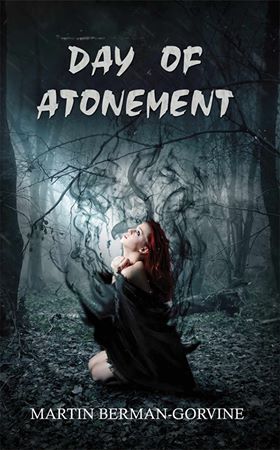
Days of Ascension 3: Day of Atonement

When human rebels overthrow a god of human sacrifice, only to bring about the rise of a goddess even more cruel and perverse, is there any chance human dignity and freedom can survive?

High school sweethearts Amos and Suzie have been surviving in the woods with their two little children and a small band of the like-minded for seven years, ever since they destroyed the bloodthirsty god Moloch. Their friend Vickie is with them, but she lives under a curse because she fell under the spell of the goddess Asherah, murdered dozens of people in her name, and then turned against her. Can Vickie overcome her overwhelming guilt and the curse that exiles her from human societyโ€”and can she and her friends bring Asherah down? And if they do, what new bloodthirsty gods lie in waiting? Find out, in Day of Atonement! 

Days of Ascension 4: Judgment Day

Twenty-five years ago, high school friends and lovers Amos, Suzie and Vickie destroyed Moloch, the evil god who reigned over their hometown of Chathamโ€™s Forge, taking the Prom Queen in sacrifice each year. Together they have set up their own alternative society far from the Forge, which is now ruled over by an even more powerful and evil god, Baโ€™al. God Himself is hiding from this new threat in an abandoned 7-Eleven in Cape May, New Jersey. Can our heroes survive?

Release Day: To Be Announced
Halloween Extravaganza: INTERVIEW: Joe Hart

Meghan: Hi, Joe. It’s a pleasure having you here today. Tell us a little bit about yourself.

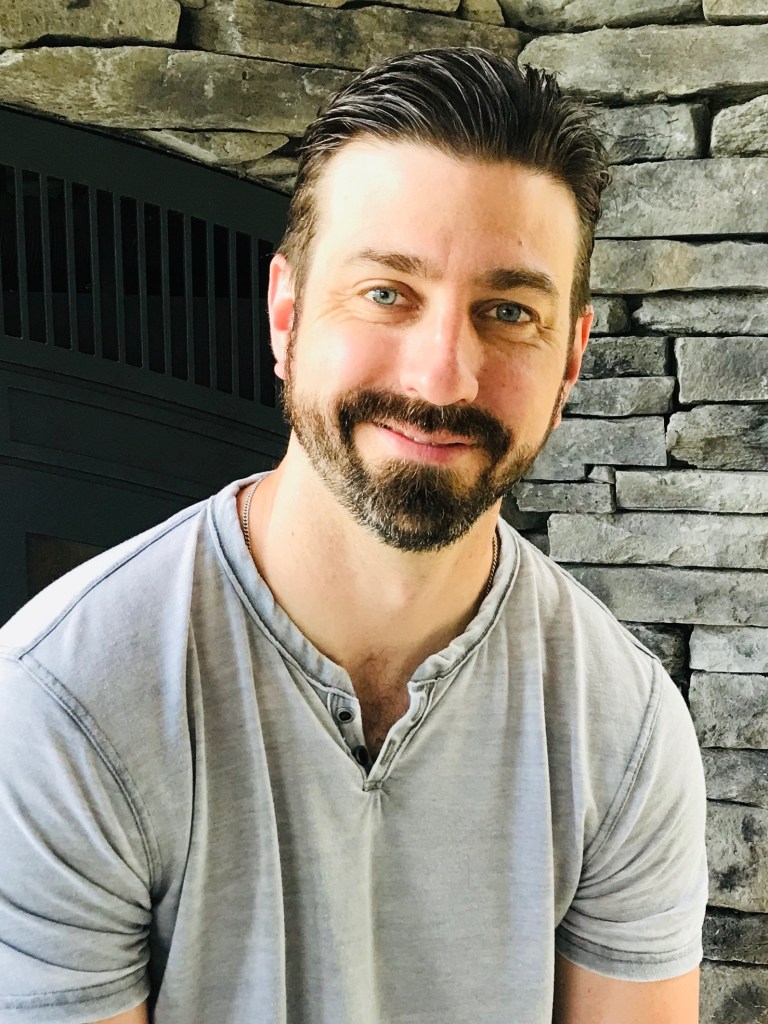
Joe Hart: Iโ€™m thirty-six, married with two kids. I live in northern Minnesota in the middle of nowhere. Iโ€™ve been a full time author for seven years. Reading and writing has always been a big part of my life and Iโ€™m so fortunate to be able to do what I love every day.

Meghan: What are five things most people don’t know about you?

Joe Hart: Most people donโ€™t know I love to cook and definitely would have ended up being a chef if I hadnโ€™t become a writer. Iโ€™m left handed. My favorite food is sushi. I love the ocean but it absolutely scares the daylights out of me. Iโ€™m terrible at pool.

Meghan: What is the first book you remember reading?

Joe Hart: A book of poetry my mother had with a poem in it by Robert Louis Stevenson called The Swing. The language he used captured the feeling of being on a swing so well it never failed to thrill me as a child.

Meghan: What are you reading now?

Joe Hart: At the moment Iโ€™m doing a reread of Stephen Kingโ€™s IT. Itโ€™s probably my fourth or fifth time through. One of my favorite books of all time.

Meghan: What’s a book you really enjoyed that others wouldn’t have expected you to like?

Joe Hart: Watership Down. You wouldnโ€™t think a book about talking rabbits would be up a horror writerโ€™s alley, but the story has such emotional depth it just sweeps you away.

Meghan: What made you decide you want to write? When did you begin writing?

Joe Hart: I always loved being scared. I loved scary movies and horror stories and wanted to be able to create something that would frighten other people in the same way. I started around the age of nine plinking away on my motherโ€™s electronic typewriter and just never stopped.

Meghan: Do you have a special place you like to write?

Joe Hart: Usually anywhere quiet, although sometimes writing at a cafรฉ or bar has its own appeal. Normally the office at my house is where most of the words get put down.

Meghan: Do you have any quirks or processes that you go through when you write?

Joe Hart: I have a small routine, but itโ€™s important and seems to work. Normally I get up fairly early and make coffee, catch up on social media for a half hour or so, then read something- anything to get the creative juices flowing, then Iโ€™m ready to write.

Meghan: Is there anything about writing you find most challenging?

Joe Hart: Transitions between especially large plot points can sometimes be challenging as well as beginning chapters in the right way.

Meghan: What’s the most satisfying thing you’ve written so far?

Joe Hart: Wow, not sure I can point at any one thing and say itโ€™s the most satisfying. I guess Iโ€™d have to say the progression of my career and skill set overall is something Iโ€™m proud of. I definitely abide by the idea of always learning and never being fully satisfied with your own work.

Meghan: What books have most inspired you? Who are some authors that have inspired your writing style?

Joe Hart: So many, but to name a few – IT, The Road, Dark Matter, Occultation, Swan Song. As far as authors go – Stephen King, Dean Koontz, Robert McCammon, Flannery Oโ€™Connor, Cormac McCarthy, Blake Crouch, R.L. Stine, and Laird Barron.

Meghan: What do you think makes a good story?

Joe Hart: Living breathing characters. If the characters arenโ€™t there in a book there isnโ€™t much of a story as far as Iโ€™m concerned. You can have the coolest plot idea but without characters to make it whole, the storyโ€™s going to fall flat.

Meghan: What does it take for you to love a character? How do you utilize that when creating your characters?

Joe Hart: I feel like a character needs to interesting even before theyโ€™re relatable. They have to have great motivations for what theyโ€™re doing and have real human reactions to situations. They need to be quirky and have depth to their emotional responses. If all those things come together and drive the plot forward I feel like Iโ€™ve done my job.

Meghan: Which, of all your characters, do you think is the most like you?

Joe Hart: Oh boy, now thatโ€™s a dangerous question. Iโ€™d have to say Liam Dempsey from my mystery thriller series. Heโ€™s a realist and at times frustrated with the lack of justice in the world. I definitely can relate.

Meghan: Are you turned off by a bad cover? To what degree were you involved in creating your characters?

Joe Hart: At times, yes. If a cover isnโ€™t at least interesting itโ€™s not going to draw me in enough to read the synopsis. For most of them Iโ€™ve been very involved and had a lot of creative sway, which Iโ€™ve been extremely grateful for.

Meghan: What have you learned creating your books?

Joe Hart: That nothing is static. Everything is always changing and you have to adapt.

Meghan: What has been the hardest scene for you to write so far?

Joe Hart: Probably the death of a character by cancer which was modeled after experiencing a family member go through the same scenario. It was almost something I needed to write to deal with on a personal level.

Meghan: What makes your books different from others out there in this genre?

Joe Hart: I actually write in several different genres so I guess itโ€™s my style that sets me apart from other authors. The specific way I access a scene or charactersโ€™ thoughts and emotions along with keeping up a fairly brisk pace.

Meghan: How important is the book title, how hard is it to choose the best one, and how did you choose yours (of course, with no spoilers)?

Joe Hart: I think a title is right up there in importance beside a cover. Extremely hard. Most times a title changes at least once while writing the book, sometimes more than that. On very few occasions a strong title arrives along with the idea and thatโ€™s wonderful. Usually I choose my titles through a phrase or a single word that encompasses the general feeling of the work, but itโ€™s very difficult to find something punchy and interesting that connects certain ideas within the book. Titles are very tricky thingsโ€ฆ

Meghan: What makes you feel more fulfilled: Writing a novel or writing a short story?

Joe Hart: Definitely a novel since itโ€™s such an undertaking. When youโ€™ve completed a novel itโ€™s like swimming across a large expanse of open water. The moment you feel solid ground under your feet again you sigh with relief. Thereโ€™s an overwhelming feeling of accomplishment that is there in a short story as well, but less so for me.

Meghan: Tell us a little bit about your book, your target audience, and what you would like readers to take away from your stories.

Joe Hart: My books are pieces of me in so many ways. Iโ€™ve poured parts of my life into them and learned things about myself as they were created. My hope is to create something frightening and thrilling while always hopeful in its own way. My audience would be anyone who enjoys realistic characters dealing with incredible circumstances. Iโ€™d like readers to feel like theyโ€™ve gone on a journey when theyโ€™ve finished one of my books. Like theyโ€™re saying goodbye to friends in the characters Iโ€™ve created, but friends they can always visit again on a reread.

Meghan: Can you tell us about some of the deleted scenes/stuff that got left out of your work?

Joe Hart: Most of my โ€œdeleted scenesโ€ are typically extraneous character development that isnโ€™t necessary or that bogs down the plot. I try to be very careful about the major plot points and scenes of spectacle so when it comes time for editing the bulk of them stay put.

Meghan: What is in your trunk?

Joe Hart: I wrote about half of a post-apocalyptic novel that I set aside when I first got serious about writing. Not sure Iโ€™ll ever go back to it. I also have several short stories that are waiting for my brain to catch up to them so they can be finished. Thereโ€™s also a screenplay Iโ€™ve been working on for the better part of a year thatโ€™s half done. That one will get finished since itโ€™s my โ€œdowntimeโ€ project when I have gaps in other work.

Meghan: What can we expect from you in the future?

Joe Hart: Iโ€™ve co-written a YA novel that should be out near the end of the year and Iโ€™ve written a crossover thriller that has elements of horror and sci-fi that should be out sometime in early 2020.

Meghan: Where can we find you?

Joe Hart: The best place to catch up to me is at my website. Otherwise you can find me on Twitter.

Meghan: Do you have any closing words for your fans or anything you’d like to say that we didn’t get to cover in this interview?

Joe Hart: I just want to say thank you to all the readers who have made my continued career possible. And thank you so much for the great in-depth interview! Answering the questions was a blast.

Joe Hartis the Wall Street Journal bestselling author of eleven novels that include The River Is DarkLineageObscura, and the highly acclaimed Dominion Trilogy. When not writing, he enjoys reading, exercising, exploring the great outdoors, and watching movies with his family.

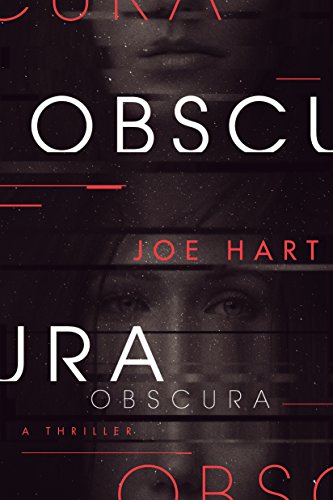
Obscura

Sheโ€™s felt it beforeโ€ฆthe fear of losing control. And itโ€™s happening again.

In the near future, an aggressive and terrifying new form of dementia is affecting victims of all ages. The cause is unknown, and the symptoms are disturbing. Dr. Gillian Ryan is on the cutting edge of research and desperately determined to find a cure. Sheโ€™s already lost her husband to the disease, and now her young daughter is slowly succumbing as well. After losing her funding, she is given the unique opportunity to expand her research. She will travel with a NASA team to a space station where the crew has been stricken with symptoms of a similar inexplicable psychosisโ€”memory loss, trances, and violent, uncontrollable impulses.

Crippled by a secret addiction and suffering from creeping paranoia, Gillian finds her journey becoming a nightmare as unexplainable and violent events plague the mission. With her grip weakening on reality, she starts to doubt her own innocence. And sheโ€™s beginning to question so much moreโ€”like the true nature of the mission, the motivations of the crew, and every deadly new secret space has to offer.

Merging thrilling science-fiction adventure with mind-bending psychological suspense, Wall Street Journal bestselling author Joe Hart explores both the vast mysteries of outer space and the even darker unknown that lies within ourselves.

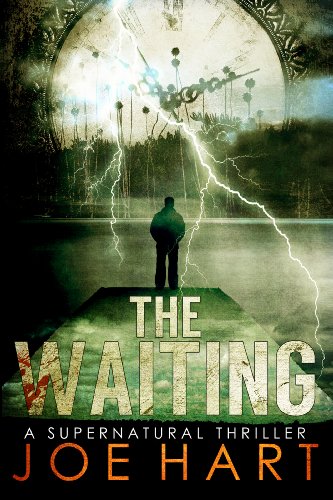
The Waiting: A Supernatural Thriller

Evan Tormer is haunted.

His life has been shattered by events beyond his control and regret is his constant companion. His wife is gone, lost to an unbeatable cancer. His son has been mentally and physically handicapped by a tragic accident. Heโ€™s been fired for using company funds in a failed attempt to save his wifeโ€™s life.

On a whim, Evan accepts an invitation to housesit on a picturesque island in northern Minnesota. At first it seems like the perfect second chance for he and his son to recover and rebuild their life together.

But there is something very, very wrong with the house and all that occupies it. And worst of all, Evan doesnโ€™t know if the house is haunted…

…Or if itโ€™s all in his mind.

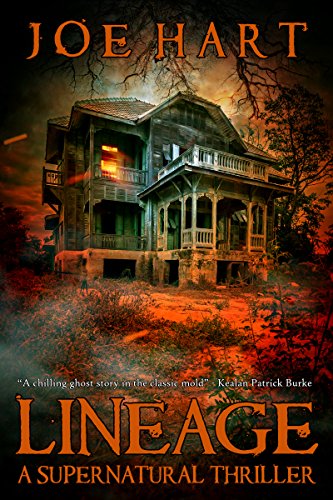
Lineage: A Supernatural Thriller

A LIFE FILLED WITH ANGUISH

Pain, horror, fear- These are the things that bestselling novelist Lance Metzger’s life have been comprised of. His childhood remains a riddled wasteland of abuse by a sadistic father and the abandonment of an apathetic mother. In turn, his only refuge became his writing.

A SANCTUARY, BROKEN

When Lance loses his ability to write and becomes haunted by a nightmare that he’d thought was buried, he is drawn inexplicably to a house on the shores of Lake Superior where he finds his muse once again, but something is waiting for him when he arrives.

AN EVIL WITHOUT BOUNDARIES

Now he must unlock the devastating secrets that the house holds and uncover the mystery of his own broken past before he loses his sanity, and perhaps his soul.

Halloween Extravaganza: INTERVIEW: Dev Jarrett

Meghan: Hi, Dev! Welcome back… sort of. Take a look around and let me know what you think of the new place.

Now, Itโ€™s been awhile since we sat down together. Whatโ€™s been going on since we last spoke?

Dev Jarrett: Well, you know what the man saidโ€ฆ life is what happens to you when youโ€™re busy making other plans. Iโ€™m still writing, still loving every second of it, but I guess since we last talked, Iโ€™ve kind of been grinding. Leveling-up might be a good term for it.

When we last spoke, Iโ€™d done what so many only dream aboutโ€”Iโ€™d landed a big-time agent. Itโ€™s like achieving a new level in a game. But at that new level, the enemies, monsters, and bosses are tougher, so youโ€™ve got to GRIND, and learn how to use all the magical weapons properly. In the past three years, Iโ€™ve actually written three more novels. Theyโ€™re pretty good. If I were still battling the slushpile at smaller, niche presses, I bet at least two of them would have already been picked up. But (to complete the metaphor) Iโ€™m on the big quest, looking to kill the most fearsome monsters in the land.

Meghan: Who are you outside of writing?

Dev Jarrett: Up until December of last year, I was still a soldier in the US Army. Now, I’m a civilian. I’ve been spending the last few months unlearning a ton of the military mindset (“What? What do you mean I can’t deploy the knife-hand and cuss someone out if they work too slowly? Are you serious?”) Expedience is one thing, but some of that stuff can be pretty toxic sometimes, too. These days I write more, enjoy myself more, and let myself BE myself more. It’s nice.

Meghan: How do you feel about friends and close relatives reading your work?

Dev Jarrett: Iโ€™m okay with anyone reading my stuffโ€”AFTER itโ€™s published. In general, friends and close relatives might not make the best beta readers. They might feel obligated to only say nice things when asked their opinions, which is not fair to anyone, or to the work.

That said, I do have a couple of family members who read my stuff before anyone else. My wife Jennie reads everything first, and then my son-in-law Cody. They know the deal, and they donโ€™t sugarcoat anything when I screw up.

Meghan: Is being a writer a gift or a curse?

Dev Jarrett: I think being a writer can go either way. I love what I do, and I’m grateful, but sometimes dream-time gets in the way of being present in the moment. I get an idea, get distracted by it, and realize that I’ve missed the last ten minutes of a conversation.

But it’s also an integral part of my makeup, the way I’m sure it is for many writers. I’ve GOT to write, or I get irritable. My wife has told me that it’s obvious when I’ve missed my writing time. When I can’t write, I’m just… off.

Meghan: How has your environment and upbringing colored your writing?

Dev Jarrett: I think my environment and upbringing made me the person I’ve become, and that’s what colors my writing. I was brought up in Columbus, Georgia, and had a pretty normal childhood. I’m sure I could find things to complain about – everyone’s got a hard luck story, after all – but it was mostly okay. I think my southern upbringing shows in many ways in my stories. When I was twenty-two, I joined the Army, and I’ve lived in a ton of different places in the service of Uncle Sam. All that life experience, the memories of all the people I’ve met and the places I’ve been, shapes the stories I tell.

Meghan: Whatโ€™s the strangest thing you have ever had to research for your books?

Dev Jarrett: We’ve all seen the meme where the writer says “Please don’t check my web history! I was just doing research for a book!” And yeah, to a degree, it’s true. We look up weird things, right? For a work in progress currently, I’ve looked up the nutritional information of dragonflies, Alabama cult leaders, ancient Babylonian gods, and rehab times for opioid addicts. How does any of that go together? Hopefully you’ll find out soon.

Meghan: Which do you find the hardest to write: the beginning, the middle, or the end?

Dev Jarrett: For me, it’s usually the ending. Beginnings are great. You’ve got the freedom to build anything, and the whole field is wide open. The middle? Well, that can go either way. You’ve still got some wiggle room for additions and complications, but you’ve also got to build on the solid foundations you’ve already laid. The ending, though, is where you’ve got to bring it all back around, bring it all to completion. Put another way, if a gymnast doesn’t stick the landing, they probably won’t take home the gold.

Meghan: Do you outline? Do you start with characters or plot? Do you just sit down and start writing? What works best for you?

Dev Jarrett: There’s not really a hard and fast answer to that, for me. When I start, it is usually just an idea or a visual that I can’t get out of my head. That may be an initial image, which begs me to track it down and find out what happens next, or an ending image, which asks me to find out what came before all that, what set it in motion.

I don’t usually outline in the sense of Roman numerals, capital letters, Arabic numerals, lower case letters, but when I’m in the story, I generally have an idea of what’s going to happen next. I say generally, because sometimes my initial plans go completely off the rails.

Meghan: What do you do when characters donโ€™t follow the outline/plan?

Dev Jarrett: I let them run with it and try to stay out of the way. It’s a kind of magic, I think, when your characters take over their own creation. As writers, we have to allow our characters to react honestly, even if that gets in the way of what we think we want to say.

Meghan: What do you do to motivate yourself to sit down and write?

Dev Jarrett: I donโ€™t have a problem with motivation to write. I often wish there were more hours in a day so that I could write more. Sometimes, I do have to kill distractionsโ€”social media is a big one, as is binge-watching TV. I know, I know, bingeing anything is really unhealthy, but even finishing the current season of a favorite show gives a small sense of completion.

Meghan: Are you an avid reader?

Dev Jarrett: I love to read! I read every day, even if I only get to finish a couple of chapters. I recently finished A Boy & His Dog at the End of the World and Beloved. Now I’m reading The Bassoon King, rereading NOS4A2, and I just started King‘s The Institute.

Meghan: What kind of books do you absolutely love to read?

Dev Jarrett: Looking at my recent and current reads, I like many different things. Beloved won the Pulitzer Prize back in 1988, and it’s a kind of ghost story. A Boy & His Dog… suckered me in with the title, and it was supposed to have a twist at the end that, in my opinion, didn’t “stick the landing.” The Bassoon King is a sort of humorous autobiography of Rainn Wilson. And, of course, NOS4A2 and The Institute are horror.

I love reading horror, but variety is necessary, too. Not only should we all read deeply, but we should also read widely. I’m no snob about it. I think there is always time for both escapist reading and interpretive reading. Like a teacher once told me: there’s a time for champagne in crystal flutes, but there’s also a time for light beer straight from the can. Sometimes you get lucky and get them both in one story.

Meghan: How do you feel about movies based on books?

Dev Jarrett: I generally have no trouble with them. Translating from one medium to another is a challenge in so many ways, and no movie director will have had the same vision as anyone else whoโ€™s read a story and watched their own mind-movie.

I know people get bent out of shape about some movies not being true to their source material, but some things simply don’t translate. A character’s thoughts can’t be shown, and cheesy voiceovers haven’t really worked in decades. By the same token, movie tie-ins have the opposite problem. How do you translate a jump-scare to words on a page?

Meghan: Have you ever killed a main character?

Dev Jarrett: Of course. Sometimes, their end is an essential part of the story. Death is a part of all life, right? Even a character’s life. I’m no George R.R. Martin, but my mind hosts the occasional bloodbath, too.

Meghan: Do you enjoy making your characters suffer?

Dev Jarrett: Actually, sometimes yes. Maybe that sounds a little sadistic, but the thing is, a certain amount of suffering tempers a character. There are those times when a character’s suffering is a part of the arc, and when they come out on the other side, they’re stronger for having survived whatever trauma they’ve had.

On the other hand, there are many characters I’ve created that I just… well… HATE. And yes, I love to see them get their deserved comeuppance. As viscerally as possible.

Meghan: Whatโ€™s the weirdest character concept that youโ€™ve ever come up with?

Dev Jarrett: Several of my early short stories were science fiction, and some of those involved extraterrestrial life forms, and they werenโ€™t limited by our earthly physiologies at all. I guess thatโ€™s a kind of lazy answer, though.

Iโ€™ve had cars that were vampires, cicada vampires, were-raccoons, and a guy who turned into a catfish. Then there was the guy who was basically a colony of tiny creatures who could turn into anything. The best, however, is yet to come.

Meghan: Whatโ€™s the best piece of feedback youโ€™ve ever received? Whatโ€™s the worst?

Dev Jarrett: That’s a tough call. In one sense, the best feedback received pre-publication is usually the harshest. Those things help make the story better, and make me a better writer. The worst in that case would be a beta reader going “Ummm, I don’t get it.”

Post-publication, the worst are the assholes. Everyone gets the trolls those only interest is punching holes and tearing down the work of others for no reason except making themselves feel superior. You’ve just got to ignore people like that.

Maybe not best, but certainly the most flattering feedback I’ve ever received was on a tiny zombie story I wrote. I never got on the whole Walking Dead bandwagon, really, but I thought of a different way to tell a zombie story, and an editor enjoyed it enough to publish it. One reviewer of the story said that they thought it could have “sprung from the pen of Ray Bradbury or Kurt Vonnegut.” That kind of comparison blew me away.

Meghan: What do your fans mean to you?

Dev Jarrett: I love them, of course. The very idea of having fans is intimidating and humbling, but if someoneโ€™s willing to give up their hard-earned money and a few minutes or hours to read something Iโ€™ve written, I absolutely want to make it worth their investment. Not simply the money, but their time, too.

Iโ€™ve had a few people follow my career, and ask when Iโ€™m coming out with something new, and itโ€™s always flattering to be asked that. When my first novel came out, I was at the first Scares That Care Charity Weekend and someone came by the table and just wanted to shake my hand. He said heโ€™d read some of my short stories and was glad to see that Iโ€™d gotten a book published, too. That was surreal, but inspiring at the same time.

Meghan: If you could steal one character from another author and make them yours, who would it be and why?

Dev Jarrett: There are so many great characters I’ve read over the years, that’s a challenging question. Now that I think about it, my answer may actually be a very common response to the question (and I suppose that’s one reason for the author’s continuous appeal to the world): Roland Deschain of The Dark Tower series.

Roland is introduced as a world-weary errant knight in a strange desert on the edge of a dystopian fantasy world, and that really appealed to me in The Gunslinger. What can I say? I was one of those kids who watched a ton of westerns on Saturday afternoons. But later on, Roland’s development through the entire series became beautiful, and wise, and even poetic in some ways. So many of Mr. King‘s fans say his masterpiece is The Stand, or possibly The Shining, but I completely disagree. In my opinion, his masterpiece is the character of Roland.

Meghan: If you could write the next book in a series, which one would it be, and what would you make the book about?

Dev Jarrett: Wow. Not sure about that. I’d love to write a Discworld novel, but I don’t have the humor chops of Terry Pratchett, and I can’t think of anyone who comes close. We lost a treasure when we lost him.

I think I could write a novel of the Dresden Files. The sort of urban fantasy is fun to read – the juxtaposition of fantasy elements with our modern world seems like it would be a great playground. If I were able to do that, I don’t know what it would be about, but I’m sure it’d be much darker than Jim Butcher writes. Much more darker.

Meghan: If you could write a collaboration with another author, who would it be and what would you write about?

Dev Jarrett: Obviously, Iโ€™d love to aim high on this one (Stephen King, Joe Hill, Neil Gaiman), but I think Iโ€™d feel like those co-writer guys on a James Patterson novel must feel, like Iโ€™m just a punk getting carried by another name. (Not throwing stones hereโ€ฆ thatโ€™s just how Iโ€™d see it for me, Dev โ€œImposter Syndromeโ€ Jarrett.)

Realistically? Hmmm. Iโ€™m not sure. Someday, maybe Jonathan Janz. I met him once, and he is such a nice guy. Iโ€™d love to work with him. It could be about anything, but a concept Iโ€™ve been tossing around in the back of my mind is a horror story that involves a high school reunion. Collaboration sounds hugely interesting to me. Iโ€™ve never worked with someone on a single creation like that, but I think itโ€™d be fun.

Meghan: What can we expect from you in the future?

Dev Jarrett: I mean, after I finish my collaborations with Janz, Gaiman, Hill, and King, I might… well… no. I’ve got tons of work in the pipeline, at various stages of completion, and hopefully I’ll have something spectacular out soon.

Like I said, I’ve written a few novels that aren’t quite ready for prime time, but I suppose the NEXT thing you can expect from me is a new short story for the Christmas Takeover.

Meghan: Where can we find you?

Dev Jarrett: I’ve got a small website that I’m terrible about keeping up to date, but it has links to all of the published work.

Website ** Twitter ** Facebook

Meghan: Do you have any closing words for your fans or anything youโ€™d like to say that we didnโ€™t get to cover in this interview or the last?

Dev Jarrett: First, thanks for having me. I think we covered all the bases this time (I noticed that in our last conversation, I was kind of laconic, I guess? I wanted to make sure I opened up a little more this time).

Except, let’s see… dogs, not cats. Original flavor Oreos. I’m not an FPS kind of videogamer, I’m more platformer. If I were to have an 80s-era arcade game in my house, it’d be Joust. Mexican food. INT-J. Beer is great, but when it’s time for hard drinking, bourbon’s my poison of choice. Pretty much anything is good on a pizza, but I mostly only tolerate pineapple. My current playlist includes a little bit of everything, but it’s mostly rock.

And… there are always more stories to tell.

Dev Jarrett is a writer, a father of five, a husband, and one of those guys the US Army trained too much. He speaks Arabic, he can break ciphers in his sleep, and can still break down and reassemble an M4 rifle and an M9 pistol while blindfolded.

He’s visited many different countries in the past quarter century, and can’t talk about most of the adventures he’s had. On the other hand, it’s public record that he’s received a Bronze Star and a Purple Heart, so make what you will of that.

He’s represented by Barbara Poelle of the Irene Goodman Literary Agency, and all he wants is to scare the hell out of you.

Loveless

Till death do us part… sometimes.

When a hapless explorer disturbs the watery grave of Muriel Wallace, a terrifying chain of events is put into motion. Corey Rockland, sheriff of a sleepy Georgia town, must now unravel the mystery behind a corrupt family and a broken heart dating back to the Civil War. Unless he can find a way to stop her, Muriel will unleash her vengeance on anyone she deems loveless.

Dark Crescent

If you could change the future, would you?

Bud Primrose, assistant coach of a Little League team, gets smacked in the head with a line drive and wakes up in the hospital with a kind of second sight.

If you saw a strangerโ€™s death coming, would you try to save her?

He sees others’ deaths hours before they occur. When he uses this strange new ability to save a woman from a brutal murder, he becomes the thwarted next target.

If you had the power, would you use it?

Now he must do everything he can to save himself and the woman he loves from the razor-wielding maniac bent on payback.

If you had to face a killer, could you do it?

Casualties

Fresh from Afghanistan, crippled by both a crumbling marriage and growing paranoia, can a soldier save his family from the ancient evil in his own house? 

Sergeant First Class Chris Williams is back home, and he and his family are move to Fort Huachuca, a small Army post deep in the southeastern corner of Arizona.

From the time they move in, Chris and his wife Molly are struck by the preponderance of ghost stories surrounding their new home. Chris wonders why nightmares still plague himโ€”then, he realizes the reason. He and his family are not alone in their house. An evil older than Fort Huachuca, older than time itself, lives there. Now, enough sacrifices have been made to its blood hunger that it can finally give birth to a powerful, deadly offspring intent on dominating our world.

Chris, Molly, and their two children become pawns of the evil spirit inhabiting their new neighborhood. Already casualties of life, crippled by both a crumbling marriage and growing paranoia, can Chris and Molly save their family from the evil already living under their own roof?

Little Sister

Seven year old Lucinda has a homemade doll that has a special kind of magic. When someone tries to hurt Lucinda and her mother, perhaps heโ€™ll see the dollโ€™s magic too.

For her seventh birthday Lucindaโ€™s grandfather sends her a homemade doll. Her mother Sharon had a little sister onceโ€”and now Lucinda has a โ€œlittle sisterโ€ of her own.    

Sharonโ€™s boyfriend Deke is not the man she thought he wasโ€”heโ€™s hateful and abusive, like something out of a nightmare. Now heโ€™s on the run from the police and heโ€™s taken Sharon and Lucinda with him.

Mother and daughter must find some way to escape his blood-soaked grasp before he kills them both. They have no way out.

All they have is Lucindaโ€™s homemade doll.

Halloween Extravaganza: INTERVIEW: Adam Davies

Meghan: Hi, Adam. Welcome to Meghan’s House of Books. Thanks for joining us here together. Tell us a little bit about yourself.

Adam Davies: I’m forty-five and live in a village in Yorkshire in the north of England (Stark country, not as far north as wildlings). I have an amazing, supportive, beautiful wife and two incredible daughters soon to turn eight and six. My real-world job is procurement and supply chain director for a business that distributes medical consumables. Two of my three cats that passed away in the last eighteen months so I’m down to an incredibly handsome, long-haired ginger tom, Jambo.

Meghan: What are five things most people donโ€™t know about you?

Adam Davies: Iโ€™m a huge introvert and find people totally exhausting, but you would never know this if you met me because I can come across as quite outgoing and I like to joke and gossip. I didnโ€™t realise this introversion about myself until well into my mid-thirties. I’m very good at conflict, I have to be as part of my job, and my colleagues would all consider me quite feisty and combative at times, but very few people realise that I absolutely hate it and it eats away at me whatever I have to disagree with somebody. This is another revelation about my character that I only discovered in later life.I’m a high-functioning insomniac but have been able to bring that under control in the last four years by following a CBT online program. If there are any insomniacs reading this, I cannot recommend CBT highly enough it has changed my life. Where I previously averaged two to three hours sleep and had bad nights four nights in seven, I now average six to seven hours sleep I only have bad night’s one night in seven. The difference is incredible.I was a stage child taking dance and drama classes from the age of three and, by virtue of being a boy in a female dominated world rather than Talent on my part, I ended up appearing on national television on Christmas day and even as an extra in a film with Michael Palin and Dame Maggie Smith.Last summer I had a panic attack on a small aerial assault course on holiday in Italy. Iโ€™ve never been scared of heights before and I was no more than twenty feet off the ground. Fear of heights is something else didn’t know about myself.

Meghan: What is the first book you remember reading?

Adam Davies: I have two iconic childhood reading memories. The first is Dinosaurs and All That Rubbish, by Michael Foreman. My favourite book as a young child which I recently bought for my own daughters. It was very much ahead of its time with an incredibly relevant environmental message that we as a race have failed to heed. I also remember a book called Wereboy, by Terrance Dicks. As an eleven or twelve-year-old I borrowed this from the local library dozens, if not hundreds of times to read over and over again. I’ve never linked that memory to the fact that I write horror, but I guess a seed was clearly planted.

Meghan: What are you reading now?

Adam Davies: Vox by Christina Dalcher. Itโ€™s set in the immediate future where the ultra-conservative right has the presidency and women are prohibited from speaking more than one hundred words per day. It’s thought (and anger) provoking, chilling and well written. I recommend it.

Meghan: Whatโ€™s a book you really enjoyed that others wouldnโ€™t expect you to have liked?

Adam Davies: I was lucky enough to backpack around the world for a year in my mid-twenties. I read a succession of medical thriller novels by Robin Cook that I picked up at various hostel book exchanges. I found them all incredibly gripping despite the fact that they are ultra-formulaic and very not my thing in normal circumstances

Meghan: What made you decide you want to write? When did you begin writing?

Adam Davies: This is probably the most interesting questionable for me. I first put pen to paper three years ago in my early forties. I never knew I wanted to write, and I’ve never had the remotest inclination to try it. My youngest was coming up to two years old so we still had a baby monitor. I had the thought what have you heard somebody whispering to your child through your baby monitor while you were both downstairs and, on a whim, I decided to try and write that story. It quickly became an exploration of what happens to a coupleโ€™s relationship when they have a baby anthropomorphized into horror. I have seventeen thousand unpublished words somewhere that I hope one day to complete, but it became clear to me writing a novel was too hard for me and I had no idea what I was doing. In parallel I stumbled on a few Creepypasta I really enjoyed, Candle Cove, Mr Widemouth and Penpal stick in my mind. The Creepypasta led me to NoSleep on reddit and I suddenly realised I could write short stories and that would be easier than a novel and would help me learn. That probably marks the actual beginning of my writing. Over the course of twelve months I wrote around thirty-five stories I posted across r/NoSleep and r/shortscarystories on reddit. Through these subs I met a bunch of Incredible, talented fellow writers who I am part of various groups with to this day. I have been lucky enough to have a few short stories published in anthologies run by groups I met through NoSleep.

If thatโ€™s the how & when, the why is less clear. Now that I am writing I realise I have always imagined stories and always wanted to tell them. Iโ€™m under no illusions, I donโ€™t have what it takes to have a career as a writer, thatโ€™s not my goal. I just want to write what I want and tell the stories that mean something to me. If anyone wants to read them thatโ€™s the icing on the cake.

Meghan: Do you have a special place you like to write?

Adam Davies: Special places to write don’t really exist in a house with young children in my experience!

Meghan: Do you have any quirks or processes that you go through when you write?

Adam Davies: In terms of quirks, due to the amount of time I spend in my car with work, around four hours a day, I do an awful lot off my writing on a voice to text app as I drive. Without that I wouldnโ€™t get the time to write anything. It takes an awful lot of getting used to. Not being able to see the words on screen in front of you adds a layer of complexity and wordsmithing is out of the question, but itโ€™s good for rough drafting and just getting words on paper. There is significant editing required as the speech recognition with the background noise of the car can be pretty sketchy at times. This often leads to some hilarious sentences like โ€œCallow 10 hatch Rossi akon hashish ready 2 evade.โ€ I then have to figure out what I was actually saying at the time and translate back.

Meghan: Is there anything about writing you find most challenging?

Adam Davies: I never enjoyed studying English in school, so I dropped it aged sixteen. As a result, I lack a lot of fundamentals. I particularly struggle with punctuation and grammar. I seem to have a complete blind spot on how to correctly use commas despite reading dozens of articles about the rules for doing so. The fact that I find it so difficult part of the fun for me. I love mastering things I find a challenge.

Meghan: Whatโ€™s the most satisfying thing youโ€™ve written so far?

Adam Davies: A short story called โ€˜The Worm King.โ€™ I remember being told about the cellular memory of worms in my mid-twenties and the concept of an all-powerful worm has sat in the back of my mind for decades. Itโ€™s short and snappy, with just enough science to make it almost plausible and make it a bloody scary concept. It also elicited a really fun set of interactions with the readers who commented on the story which really made it for me.

I also have a huge soft spot for the only childrenโ€™s horror story I have written โ€˜Granny Heckleโ€™s Teeth.โ€™ I have a bunch of stories planned for the formidable Granny and Iโ€™d love to publish them one day with my daughter doing the artwork. (Sheโ€™s only eight but seriously talented.)

Meghan: What books have most inspired you? Who are some authors that have inspired your writing style?

Adam Davies: I think writing is still so new to me that I’m not sure I actually have a style yet. I love Clive Barker. His anthology The Books of Blood remain one of my all-time favorites. He has an incredible, vast imagination and tells stories on an epic scale which is something I aspire to. In non-horror I think A Song of Ice and Fire by George R.R. Martin are the best books ever written. Again, the vastness and depth of the world and character building really appeal to me.

Meghan: What do you think makes a good story?

Adam Davies: Engaging characters and storylines that make you think.

I’m a horror writer that isn’t scared by horror. When I get a chill down my spine, itโ€™s because something has made me think wow, that could really happen and it’s a chilling prospect. I enjoy psychological horror and technology horror as they tend to elicit those kinds of reactions in me.

Meghan: What does it take for you to love a character? How do you utilize that when creating your characters?

Adam Davies: I like a sharp wit, and a misunderstood character will often draw me in, so somebody like Tyrion Lannister is a great character for me. He is deeply flawed and thoroughly unpleasant but mostly vilified for the wrong things. He has the confidence and acid tongue to deliver some stinging one-liners.

My own character development is something I struggle with. Short form horror is by its nature plot driven more than character driven, and in venturing into writing my first novel, I’ve had to try and force myself to address that in my current work in progress. I think there are some decent characters, but I am about to overhaul my main character. I think he lacks enough depth and interest to carry the book. I canโ€™t visualize him clearly, and I donโ€™t always know how he will react in a situation. If I donโ€™t know that, how can the readers care?

Meghan: Which, of all your characters, do you think is the most like you?

Adam Davies: William Bridge the main character in my novel (who isnโ€™t interesting enough to carry a book!) probably represents many of the less positive things I think about myself. He is a loner, disengaged from the world and doesnโ€™t care about other peopleโ€™s live. Captain Harold Stubbs, a homeless veteran from the same novel, probably possesses some of the positive qualities I’d like to think I have. He is loyal and honorable.

Meghan: Are you turned off by a bad cover? To what degree were you involved in creating your book covers?

Adam Davies: I don’t know if they turn me off as much as a good cover definitely draws me in. My published work to date is in group anthologies where I had visibility of covers, and a small amount of inout between options. When I finish my novel and get to the point of needing a cover, I’m looking forward to being heavily involved in that. I confess to having a soft spot for a gold old fashioned eightyโ€™s horror cover.

Meghan: What have you learned creating your books?

Adam Davies: So many things! The most enjoyable thing I’ve learnt is a reminder of how important imagination is. More than anything, writing for me is a gateway back to my childhood where imagination was more powerful than reality. I am lucky enough to have a happy and stable life, but reality can still suck at times. Writing means I get to create my own reality where ultra-cool shit happens, and monsters abound. Even though I don’t write about happy things, I get to write about things I find intriguing.

Meghan: What has been the hardest scene for you to write so far?

Adam Davies: My cheating answer is some of the scenes I haven’t written yet. I find endings difficult (we all do, right?), so the fact that I can’t yet conceptualize the end of my novel makes it hard to write. I donโ€™t do happy endings so in my head the bad guys win. Iโ€™m not sure people are going to want to read that.

Iโ€™ve found some of the earlier, more mundane, character building scenes from my novel difficult for some of the reasons I mentioned above about finding character development a challenge. Not really being in love with my own main character has been a factor, and as the scenes have intrinsically less plot, they are further away from my comfort zone. Iโ€™m a horror writer so I have my fair share grisly scenes and even a few sex scenes. (I have a story in a horror erotica anthology, donโ€™t judge me, it was huge fun.) Unpleasant stuff Iโ€™m fine with, mundane stuff I find harder.

Meghan: What makes your books different from others out there in this genre?

Adam Davies: I don’t know yet is the honest answer. I’m trying to write a novel that is vast and complex with intertwined stories as part of a larger narrative arc. It has a message about how I view the world today and gives a uniqueness to some tried and tested horror bad guys. If I actually achieve one of those three things, Iโ€™d be pretty happy.

Meghan: How important is the book title, how hard is it to choose the best one, and how did you choose yours (of course, with no spoilers)?

Adam Davies: With the birth of my writing career being on NoSleep, the title e is often the single most important factor in the number of eyeballs your story gets. When it comes to a novel, I think the significance of the title drops several pegs. The cover, the promotional activity and reviews are more important for visibility, I think.

My current WIP title comes from a prediction made in the story by something called โ€˜The Reaper Appโ€™ that predicts how and when people will dieโ€ฆwith unnerving accuracy.

Meghan: What makes you feel more fulfilled: Writing a novel or writing a short story?

Adam Davies: Short stories give instant gratification. Write it, get it out, look at the feedback and move on. Itโ€™s a really nice feeling. But for me, the real sense of fulfillment has to come from the novel. Itโ€™s a huge challenge for me on so many levels. Iโ€™m a rank amateur, I lack the fundamental skill set, I donโ€™t have the time, all of these are challenges I can overcome and get a big, bold story out there.

Meghan: Tell us a little bit about your books, your target audience, and what you would like readers to take away from your stories.

Adam Davies: I want to tell stories that terrify by making you think. I want them to unnerve and unsettle because they are a dark spin on a reality that is a little too close for comfort. My only real target audience is people like me, who read horror stories that are tropey and come away feeling a little disappointed that the book didnโ€™t just go a little bit further.

Meghan: Can you tell us about some of the deleted scenes/stuff that got left out of your work?

Adam Davies: I have an extremely graphically unpleasant scene that may not make the final cut. Itโ€™s a transformation scene where a character is basically tortured into taking their own life to escape the agony. Itโ€™s borderline gratuitous, but it is important for the story. Iโ€™m on the fence.

Meghan: What is in your โ€œtrunkโ€?

Adam Davies: I have two. My Granny Heckle stories and the completion of my first baby monitor story that I suspect would end up as a novella.

Meghan: What can we expect from you in the future?

Adam Davies: I love #vss365 and do a horror themed tweet every day, so If nothing else there will be that.

All current efforts are focused on the first novel. Iโ€™m at 50,000 words so making decent progress, but it could easily be another year before I even have a finished first draft at the rate I write.

I also have a second novel idea and about 15,000 words written. I would describe it as โ€˜Dune, with Faeries,โ€™ so yeah, that oneโ€™s a bit left field.

Meghan: Where can we find you?

Adam Davies: Twitter ** Facebook

I have a lousy website that needs an overhaul, nothing to see there currently.

Meghan: Do you have any closing words for your fans or anything youโ€™d like to say that we didnโ€™t get to cover in this interview?

Adam Davies: Just a huge thank you for interviewing me. Iโ€™m a complete nobody but Iโ€™m having a whale of a time writing and this is a huge opportunity for me that I really appreciate. The questions were thought provoking and I enjoyed the process.

Adam Davies writes thinking personโ€™s horror for fun, and to free his imagination, if he didnโ€™t, all those crazy thoughts would stay trapped in his head and who knows what would happen? Adam has six short stories published across four anthologies and is currently working on his first novel. Adam is an active part of the indie online horror community and founded the NoSleep Writers Guild in 2017 to help improve relationships between internet horror writers and YouTube horror narrators, and combat IP theft. His published works can be found in:

A Cure for Chaos: Horrors from Hospitals and Psych Wards
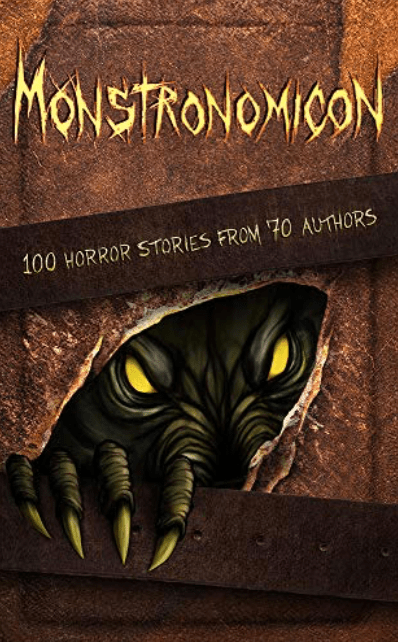
Monstronomicon: 100 Horror Stories from 70 Authors
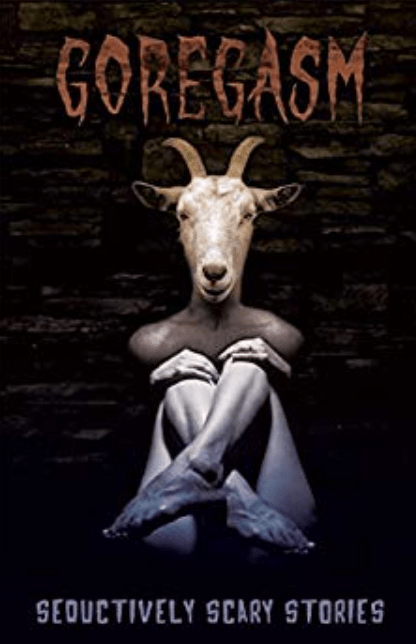
Goregasm: Seductively Scary Stories
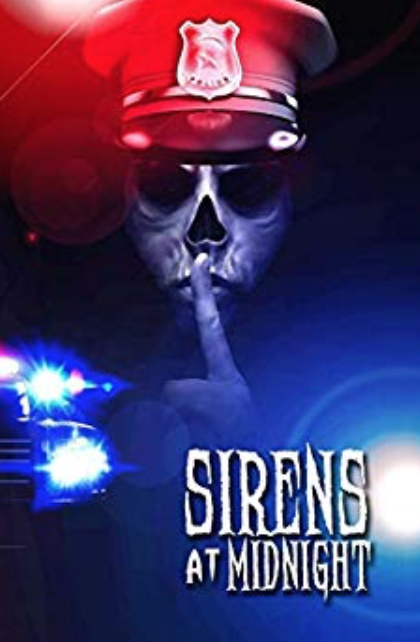
Sirens at Midnight: Terrifying Tales of First Responders

A Cure for Chaos: Horrors from Hospitals and Psych Wards

Life is chaos. Death is the only cure. 

You’re never so vulnerable as when you surrender your body to a hospital.

You trust the doctors to know what is best, but these stories show what happens when they have other plans.  

What if a maternity doctor pretends your child died during birth just so he can steal it? Or a simple operation is used as an excuse to harvest parts? Discover the truth of the asylum in the woods, take the pills which induce mind-bending phobias, and try to escape when you’ve been institutionalized against your will. 

A CURE FOR CHAOS is an anthology of horror stories from 30 authors, each with a unique way to thrill and terrify you. From stalking supernatural monsters to the psychopaths hiding in plain sight, these quick reads are perfect for adding excitement to your daily life. 

Monstronomicon: 100 Horror Stories from 70 Authors

THE MONSTER BOOK OF MONSTERS is a collection of 100 stories from around the world, inspired by the legendary book from Harry Potter. These aren’t your everyday Werewolves and Wendigos either. Each story is told by the survivor of an encounter with a unique and mysterious creature more wild and varied than you can imagine. This book has something for everyone with a dark mind, so read now to find the perfect monster for you.

Some monsters are quirky and friendly, while others are apocalyptic behemoths crawling up from the depths. Some stories are heartwarming, funny, or profound, while others are a blood bath.

Goregasm: Seductively Scary Stories

Goregasm is a compilation of the hot and the horrifying, the sexy and the scary, the titillating and the terrifying. Featuring X stories from over X authors, Goregasm contains the most vile tales of lust the human mind can conjure. 

From a fatherโ€™s bequeathal of his sordid sexual proclivities, to a glory hole made by the devil himself, to a computer program that allows its users to partake in their most depraved fantasies, Goregasm takes a frightening dive into the sexual psyche, with blood-curdling tales that are presented with the hardest, deepest, most throbbing details the written word allows. 

Prepare to be aroused and appalled as Goregasm brings you to what will unquestionably be the most divisive climaxes you ever achieve.

Sirens at Midnight: Terrifying Tales of First Responders

Each and every day, first responders are thrown into situations most of us can barely comprehend. These brave souls are pushed to limits far beyond the average imagination, be it physically, emotionally or something…else… 

Like a police officer who arrives at a scene that defies all logic and reason… 

A firefighter who rushes into a house only to be met by the very flames of Hell… 

A paramedic who can’t restart a heart…because the patient doesn’t have oneโ€ฆ 

A 9-1-1 call from beyond the grave… 

With 40 terrifying tales from 31 authors, join the heroic men and women of those professions and more as they attempt to rise above the darkness…and avoid having the last sounds they ever hear be… 

Sirens at Midnight 

Halloween Extravaganza: INTERVIEW: A.J. Brown

A.J. Brown is back for round three of the interviews, which is really exciting. If you’re not following him on social media – and reading his stuff – you are surely missing out. Not only talented, but a great conversationalist, motivational and thought-provoking.


Meghan: What are your go-to horror films?

A.J. Brown: Lost Boys is one of my favorites. And World War Z. Sadly, I donโ€™t find many horror movies scary. I wish I did.

Meghan: What makes the horror genre so special?

A.J. Brown: Scaring people is hard. I think the original intent of horror was to scare people, unsettle them, make them think about the darker things of life. Horror doesnโ€™t shy away from taboo subject matters. Itโ€™s not politically correct. I feel horror is truer to real life than any other genre. Thatโ€™s pretty special, if you ask me. Oh wait. You did.

Meghan: Have any new authors grasped your interest recently?

A.J. Brown: Pete Molnar. Holy cow. His book Broken Birds is great.

Meghan: How big of a part does music play in creating your โ€œzoneโ€?

A.J. Brown: Music is a HUGE part of creating the writing zone. Each story has a soundtrack, whether I realize it at first or not.

Meghan: What do you listen to while writing?

A.J. Brown: It really depends on my mood and the story, but most of the time, I listen to Metallicaโ€™s instrumentals. Not having lyrics in my head as I write makes it easier and I love the ebbs and flows of Metallicaโ€™s music.

Meghan: How active are you on social media?

A.J. Brown: Iโ€™m not very active on Twitterโ€”I just donโ€™t get it. Iโ€™m somewhat active on Instagramโ€”Iโ€™m still trying to figure it out. I am very active on Facebook, both on my personal page and my author page. Though I think advertising on social media is often a waste of time and falls on blind eyes, I like to engage with people, let them see who I amโ€”this is my way of getting readers comfortable with me, and hopefully, get them to purchase a few books from time to time.

Meghan: How do you think it affects the way you write?

A.J. Brown: Occasionally, I get an idea from social media, but it really doesnโ€™t influence me much.

Meghan: What is your writing Kryptonite?

A.J. Brown: Marketing. I suck at it.

Meghan: If you were making a movie of your latest story/book, who would you cast?

A.J. Brown: My latest book is Interrogations and it continues the Hank Walker saga, so it would have to be Matthew McConaughey.

Meghan: If you had the choice to rewrite any of your books, which one would it be and why?

A.J. Brown: I wouldnโ€™t. The stories are the way they are.

Meghan: What would the main character in your latest story/book have to say about you?

A.J. Brown: Heโ€™d say I was a jerk for putting him through all of the drama and death. He probably wants to kill me, to be honest.

Meghan: Did you hide any secrets in your books that only a few people will find?

A.J. Brown: Oh yeah. I do that in a lot of my stories.

Meghan: How much of yourself do you put in your books?

A.J. Brown: Thereโ€™s a little of me in every story. There has to be. I think authors are influenced by the lives they have lived, the things they have seen, heard, touched, tasted and smelled. Some stories, like Dredging Up Memories and Coryโ€™s Way have a lot more of me in them, but every story has something from my life as an influence.

Meghan: Have you ever incorporated something that happened to you in real life into your novels?

A.J. Brown: Yes. The two bullies from Coryโ€™s Way were real bullies from my childhood. A scene from a novel I wrote appears, almost exactly like it happened when I was a kid. My novella, Closing the Wound, is the true story of a kid who was murdered in 1995โ€”I knew the kid and it was a devastating event.

Meghan: Are your characters based off real people, or did they all come entirely from your imagination?

A.J. Brown: A little bit of both. I think every character we create is based, loosely, on other people, their characteristics, mannerisms, appearance. Someone or quite a few someones had to influence them.

Meghan: How do you think youโ€™ve evolved creatively?

A.J. Brown: I used to write crap. Now, I donโ€™t. The longer answer is Iโ€™ve learned what telling a story truly is. Itโ€™s not a matter of just putting words to paper, but putting words that make sense and carry a story forward that matters. Cheesy B movies influenced a lot of my earlier stuff, and thatโ€™s not necessarily a good thing. Now, lifeโ€”real lifeโ€”pushes a lot of my creativity.

Meghan: What is the most difficult part of your artistic process?

A.J. Brown: Keeping my butt in the seat. I want to write all day, but focusing on it long enough to get more than a few hundred to a thousand words in one sitting is difficult. Itโ€™s amazing that Iโ€™ve finished as many pieces as I have.

Meghan: Does writing energize or exhaust you?

A.J. Brown: Both. When I get in a particularly good flow where words are just pouring onto the paper, then I donโ€™t want to stop and I get excited for the written word. On the other hand, if I am struggling through a piece, I know itโ€™s not going to be all that great and it gets more and more difficult to finish the piece, and that is exhausting. Itโ€™s almost like the writing is work during those times.

Meghan: Do you read your book reviews?

A.J. Brown: Yes. I read all of them. If someone took the time to read my book and leave a review, they deserve, at the very least, me to read what they have to say.

Meghan: How do you deal with the bad ones?

A.J. Brown: I look at what they said and see if there is a way to improve on telling stories. Most of the negative reviews I have received have given reasons why the story wasnโ€™t liked. Those are things I can focus on for other stories.

Meghan: Have you ever learned something from a negative review and incorporated it into your writing?

A.J. Brown: Most definitely.

Meghan: What are your ambitions for your writing career?

A.J. Brown: I want people to read my words. I want them to be moved by my stories. I want them to feel something when they read what I write. I would be lying if I said I didnโ€™t want people to buy my books and to be a popular writer, but if someone reads one of my stories and then tells three of his or her friends, then they tell three of their friends, and so on, then popularity will grow and people will buy the books. Thatโ€™s not a bad thing.

Meghan: What does โ€œliterary successโ€ look like to you?

A.J. Brown: Being read by a lot of people would be nice. Success isnโ€™t always about moneyโ€”itโ€™s about how you are viewed and if people want what you write. Itโ€™s about moving someone to tears. If you can touch someoneโ€™s heart, you are a success.

A.J. Brown is a southern-born writer who tells emotionally charged, character driven stories that often delve into the dark parts of the human psyche. Though he writes mostly darker stories, he does so without unnecessary gore, coarse language, or sex. More than 200 of his stories have been published in various online and print publications.

Website ** Blog ** Amazon ** Facebook ** Twitter ** Instagram ** Email

Interrogations

Hank Walker woke up in a bed in survivor camp. He should have been dead, and a short time after that, he should have risen and joined the ranks of the shambling bitersโ€”those who had died and come back seeking the flesh of the living. Instead, he woke up alive and in a safe place. 

Or is it truly safe? 

Ruled by Harrison Avis, a militaristic leader, Hank realizes quickly Fort Survivor S.C. #3 might not be so safe after all, especially for those who do not find favor with Avis. 

When a member of the camp is exiled to the outside world, Hank launches a plan to expose Avis as corrupt. Itโ€™s a plan with possible grave consequences for all involved. Though he knows the dangers of failing, Hank is willing to take the risk to protect what remains of his family, if not from Harrison Avis, then from himself. 

Closing the Wound

On a Saturday morning in early February of 2002, the phone rang. How was I supposed to know the voice on the other end would ask a question I dreaded answering? 

“What happened that night?” 

That night was Halloween of 1995, when a young man was brutally murdered. 

Swallowed by a rush of memories and the word, Goodbye, I took a trip to the past, where some wounds never heal. This is my story.

Cory’s Way

After his father leaves in the middle of the night, Cory Maddox and his mom, Gina, are forced to start over. Left alone while Gina tries to work her way out of debt, Cory deals with life as the new kid in school with no friends. Fleeing from the school bullies, Cory ends up under an overpass where an old homeless man lives. After being saved from the bullies, Cory and the homeless man, Mr. Washington, become friends.

But things donโ€™t get any easier for Cory. Children are disappearing from around the state, and the bullies havenโ€™t forgotten his escape the first time they went after him. And there is something wrong with Mr. Washingtonโ€ฆsomething terribly wrong. 

Accompanied by his only two friends and the unlikeliest of allies, Cory sets out to keep a promise to the ailing homeless man. Will Cory and his friends find a way to keep the promise, or will the journey prove too difficult for them?

Dredging Up Memories

In the best of times, loneliness is difficult. At the end of time it can be deadly. Hank Walker is alone and struggling not just with the undead but with depression that threatens to swallow him. Searching for the family he sent away at the beginning of the rise of the dead, Hank is left to deal with loneliness, desperation, and his own memories that haunt him. The dead are everywhere. The few people still alive are scattered, and the ones Hank comes across may be more dangerous than the biters. With an unlikely traveling companion, Hankโ€™s search takes him across the state of South Carolina and to the depths of darkness like nothing he has ever experienced before. Can Hank find his family and survive the biters? Or does he completely unravel in the world of the dead?