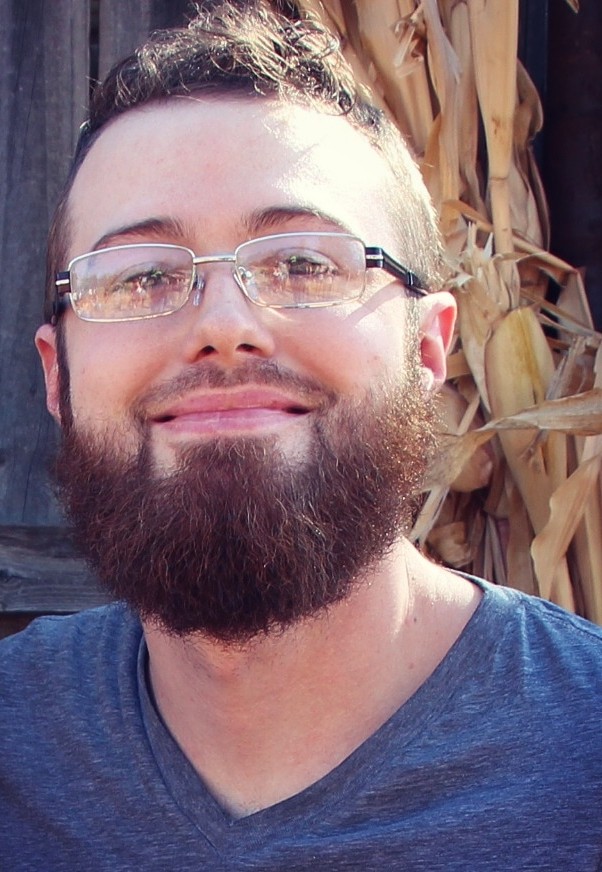
Christmas Takeover 5: Tristan Drue Rogers: Invierno Nino

Invierno Nino

A Story by Tristan Drue Rogers
3,644 words

Edgar Gonzales started getting tense again, sweating profusely even though the A/C was on full blast, and whenever his son asked to play a game with him or help him with his homework, heโ€™d be short with him, never really answering the question, either. It obviously frustrated his son because Edgar noticed that he simply started playing alone with his toys in his room, day by day, no longer asking his father to join in. It was because Christmas was less than a month away and even though he hoped his son wouldnโ€™t have known, he knew heโ€™d overheard his mom on the phone mentioning things about his grandfather that he wished would go on deaf ears. Some things his son didnโ€™t understand, Edgar knew this, but he also knew that his son recently learned how to apply context clues in Mrs. Darleneโ€™s class, so that hope was thrown out of the window. The video games were connected to the living room T.V. and although he was in the kitchen, Edgar saw his son peak out to play before noticing his father smoking a cigarette, leant up against the refrigerator, and he popped back out, closing the door to his room.

He loved his son, Chewy Hernandez Acosta Gonzalez. He knew heโ€™d be a big strong man someday, completely the opposite of him, if only he treated him correctly and kept him away from that mushy stuff that filled his own heart after what had broken him so many years ago. Heโ€™d been called a hippy before and in certain corners of the Hispanic community, that was a seething indictment.

Edgar looked out of the window where he could see across the street where the Carmona family lived. They were decorating. Thanksgiving ended not a week ago and Christmas decorations had been piling up around his neighborhood. Some people didnโ€™t even wait for the table to be set with turkey and brisket before they started pulling Santaโ€™s blow-up sleigh out onto their lawns. He started fidgeting with his wedding ring. It was worn out, more a static pink brass color than gold anymore. Edgar recently got laid off, so his wife Rosa Carmen Iglesias Gonzales had to pick up the slack, and they all knew that the money they had wouldnโ€™t be sustainable for long. Edgar thought if they only didnโ€™t have a son yet, theyโ€™d be able to make it. At first Edgar nodded, but then upon realizing the horrible attitude taking hold of his thoughts, shook his head as he gave his noggin a light tap with the palm of his hand. Undirected anger achieved by a succumbing torment can eventually cause any known person to blow up in ways theyโ€™d at first conceive as unfathomable before. Edgarโ€™s therapistโ€”it was his wifeโ€™s idea; his family doesnโ€™t knowโ€”listened to him talk about all of this and more every week, and sheโ€™d tell him that heโ€™s simply going through PTSD. Apparently, this wasnโ€™t something that only soldiers and first responders went through. Although his therapist always pushed against comparing his suffering to others, Edgar felt a sense of belonging in knowing that he was included amongst heroes, even if he never saw himself as one. And how could he? Edgar wasnโ€™t known for sticking his neck out for the good of others.

He took one last drag of his cigarette and put it out. Attempting to grab some bastion of sanity back within him, he took an even deeper breath than before and started toward his sonโ€™s room. The closer he stepped in that direction, the louder a clunking sound began to form. Eventually, Edgar put his ear to the door and it stopped as he heard his son grown in pain.

โ€œOw,โ€ said Chewy.

Edgar burst open the door. โ€œIs everything all right?โ€

He saw his son sitting on the ground, looking at his finger, building something out of wood with the nails and hammer from the tool box above the washer and dryer.

โ€œHowโ€™d you get those?โ€

Chewy turned away from his finger and looked to his father with watery eyes. It was then that Edgar noticed that Chewy had slammed the hammer too hard onto his finger.

โ€œDang, son,โ€ he told him. โ€œThat looks like youโ€™re going to lose that fingernail.โ€

โ€œLose it?โ€ Chewyโ€™s eyes widened in disbelief and fear.

โ€œYeah, you slammed it so hard that it lost all connection to its nerve, so itโ€™ll fall off in a day or two.โ€

โ€œGross,โ€ said Chewy, in awe at his zombiefied fingertip. He put it in his mouth, practically gnawing on it.

โ€œYeah,โ€ said Edgar. โ€œMucho gross.โ€

They both smiled at each other. It was strange to Edgar that this was how they were connecting. It went to show him how little every day man stuff they actually partook in together. Stuff that a little boy really needs. Stuff like playing ball, or anything that involves falling down in order to get back up, and just plain old conversation. Since Edgarโ€™s been out of work, he kept their routines as they were before: theyโ€™d have breakfast before school, after heโ€™d drop his son off at the bus stop, and then just dinner at 6 and goodnight at 9. Since he was home all day long now, heโ€™d try to make an effort to be in his life more.

โ€œSay, mijo, what do you think about me driving you all the way to school from now on and picking you up, when I can, too?โ€

Chewy took his finger out of his mouthโ€”the slime from his mouth and fingers lingered together before finally breaking apart, slinking down further onto his chin and mouthโ€”and smiled real big. โ€œThat sounds awesome!โ€

โ€œGreat.โ€

โ€œYou promise?โ€

โ€œI promise, mijo.โ€


That morning, Chewy had a fully completed wooden train stuffed into his backpack. Edgar had helped him finish building it and Chewyโ€™s mom helped instruct him on painting it. They had a perfect family evening together and in the morning Rosa made her famous migas.

โ€œOkay, Chewy,โ€ said Edgar. โ€œHave a great day at school, and try to remember thereโ€™s just one more day until Friday.โ€

Chewy gave a thumbs up and hopped out of their car.

As he made it a quarter of the way to the entrance, his father hollered out for him. โ€œMijo, I forgot to ask. How did you learn how to make that train and where did you even get the wood for it? You did such a good job.โ€

Chewy proudly stepped forward, his smile engulfing his face. He said, โ€œSanta showed me how.โ€

The bell rang. Chewy was going to be late. He turned around and booked it inside. It was Edgarโ€™s fault as he forgot to set an alarm to wake up earlier, being used to sleeping in as of late. Thatโ€™s going to change, he told himself.

Edgar sat there in his car completely frozen. His heart raced like never before, but he wouldnโ€™t show it. He simply grinned, waved to the attendants outside, and drove off.

โ€œI should have known,โ€ he told himself. โ€œSanta was back in town.โ€

Itโ€™s only been 9 months since Edgar brought his family to live in his home town of Invierno Niรฑo, TX by the border. After all of the fighting and shooting going on around the south, Edgar spoke to his mother, who told him that everything was still peaceful over here. Nothing ever happens in this town. Tiny Niรฑos play, grow up, and they leave, often never coming back unless they have children of their own. Starting a family is hard enough without comfort surrounding them and coming back home is the hot chocolate to your familyโ€™s warm fireside blanket.

Edgar remembered little of his childhood. His mother told him this was due to playing so much football when he entered into high school, but if Edgar recalled correctly, he always sat on the bench. Sports were the only thing he cared about growing up, though. And building things for other people. He just couldnโ€™t think back to any of the holidays leading up to Christmas. He knew he dressed up and had candy for Halloween, that he ate turkey and brisket on Thanksgiving, but when it came to receiving presents, all he could envision was an ethereal fog surrounding his tiny hands. Oh, no. There were times when he built things, he thought. Times when he would cut himself or something, causing blood to gush out, but his hands were fine, so nothing to fuss about.

Someone started honking at him from behind Edgarโ€™s car. The green light just turned red again and Edgar couldnโ€™t help but realize that the light pole was already adjourned with reeves, candy cane decorations, and bells that jingled to the wind.

The honking continued until the light turned green again. Edgar flipped the bird as he drove away slowly, but the car stayed behind him.

Edgar couldnโ€™t see who was following him. Probably due to the dark tint of the windows, he thought. Or maybe it was something else. He noticed that he could still see the evergreen steering wheel turn as the car followed him. It was a bright red 1967 Corvette with a thick blue stripe down the middle and a green steering wheel. If we were at the North Pole, Edgar would have assumed it was the company vehicle. He wondered what all the fuss was about as it mirrored his every movement. Edgar was driving a beat-up old 2006 Honda Accord that his father-in-law found for Rosa after she crashed her finally paid off Kia Soul. How could one simple hesitant go at a light cause such dismay for this driver?

Edgar, finally mustering up the courage to be the man he wants to be for his son, pulled over to the side of the neighborhood rode and stepped out. The jingle bells mobile stopped behind him, but no one stepped out of the car to meet him. Edgar raised his hands to his side as he approached the driver side window. Before he could see whose butt was sitting in the seat, the car sped in reverse a few feet back and turned forward onto the road, taking off.

Edgar left his hands in the air, only this time he raised them above his head and literally guffawed at the nonsense of it all.

โ€œIโ€™ll never get that time back,โ€ he said.


It had been a few weeks and Chewy had built himself a cornucopia of old fashioned toys and even a few newfangled whatchamacallits. Half of his fingernail had grown back, too. Edgar had been helping him. Edgar had also been hiding the creations in his sonโ€™s closet and asking his son not to mention anything to his mother. Every day after dropping Chewy off from school, that same car followed him. Sometimes even all the way to his home, but every time it sped off after Edgar got out. One time Edgar stayed in the car for hours and so, too, did the shiny Corvette stay behind him. He wasnโ€™t sure what was going on, but he knew no matter what it was it would just be too much unneeded stress for his wife. Itโ€™s already been hard enough trying to explain where all the wood and parts to their bed frame went, or their tables, or really most of their heavy duty spare parts.

Rosa showed up home early today, surprising her family with Whataburger. This is an awesome surprise, both to be with her two hours early and to have fast food, which they didnโ€™t eat so much for the sake of their child, but the thing about it is, Chewy had already a few minutes before she showed up removed his fatherโ€™s foot from the rest of his body. Chewy needed the bone to help carve the tusk for a rhinoceros toy that Chewy explained to his father would be the perfect gift for someone Santa told him was named Edgar, who loved animals with horns and stuff like that.

โ€œThatโ€™s like my name.โ€

โ€œOh, yeah,โ€ said Chewy, forgetting that his fatherโ€™s name wasnโ€™t really papรก or dad.

Edgar sat there in pain, but also astonished at his sonโ€™s ability to stitch him up with little loss of blood. It hurt like an SOB, but his son certainly had a future in him if he wanted to be a surgeon or even a woodworker. Thatโ€™d be something, he thought. He has good grades so far. Maybe he really could be something that society actually needs and go to trade school.

They heard her come inside the front door and Edgar sunk as Chewy kept at his building over the tarp they laid out for all the blood his detached appendage continued to expel.

โ€œEddie,โ€ she said in the living room. โ€œMy little mijo, come and eat! I got off early and I miss you all!โ€

โ€œHey, mijo,โ€ said Edgar. โ€œCan you whip me up a wooden leg or something so mamรก donโ€™t freak out?โ€

Chewy shook his head. Edgar noticed that his jaw shrank in size, but was perfectly fine before, that his ears grew pointier, and it seemed like he was wearing blush on his cheeks.

Edgar froze, completely exasperated. โ€œCโ€™mon, kiddo! This could be bad for us!โ€

โ€œI canโ€™t unless youโ€™re on the list.โ€

โ€œList?โ€

Chewy nodded his head just as he peeled the final slab of flesh from his fatherโ€™s lifeless foot. โ€œThe Nice List of children that Santaโ€™s going to deliver these toys to,โ€ he said. โ€œAfter Iโ€™m done with all of these toys, heโ€™ll release me.โ€

Mami Gonzales began to open Chewyโ€™s door. โ€œI can hear yโ€™all in hearโ€”donโ€™t you want your Buffalo Chicken Strip sandwiches?โ€

At first she didnโ€™t understand what she was looking at, and with a husband who gives out only the most deer-eyed look beside her son, she didnโ€™t have an easy time figuring it out, but what she did know was that her husband was mutilated and that her son was covered in blood as he held pieces of a skeleton. Her abject horror was so distraught that her vocal chords took millennia of weary-eyed salvation to catch up to it. The blackness crowded her sorrows as she passed out due to what was laid before her. She half fell onto the bed. Mostly, she was dehydrated.

Edgar gave a light smack to his sonโ€™s shoulder. โ€œSee what I told you, wey. Sheโ€™s been through so much lately.โ€ Edgar gently tapped Rosaโ€™s dangling leg. โ€œTell Santa that fool better help me make a foot or things are going to get mucho difficult, okay?โ€

Chewy didnโ€™t answer him.

โ€œMake sure he knows, fool,โ€ said Edgar. โ€œAnd grab me a Modelo from the fridge. I feel like Iโ€™m dying here.โ€

Chewy got up to fetch his father a beer and Edgar watched him as the shoes on his feet dangled bells. He jingled with them on in every step.


Now that itโ€™s Christmas morning, Chewy was able to kick back and relax. More so, he seemed to be confused and without much memory of what happened. Rosa didnโ€™t seem to remember much, either. Which is good, thought Edgar. A lot happened in-between the Whataburger incident and nowโ€”mostly missing animals around the neighborhood for use of their fur, stolen jewelry, Chewyโ€™s weight loss and bountiful energy, and the smell of Christmas cookies never leaving the house. No one left the house in those last weeks. The children of the town were in crunch time.

For now, Chewy was asleep. Thank God because he hadnโ€™t slept a good nightโ€™s rest in a long while. Edgarโ€™s wife was asleep in their bedroom. Edgar sat out to watch the fire place. Everyone had a fireplace and chimney in Invierno Niรฑo, TX, which was odd for such a high temperature town. He waited for the man who owed his son his winters back. He waited for the man who took all of Edgarโ€™s winters away from him and his family when he was a child. He knew heโ€™d be here. They even, as a family, laid out the traditional Gonzales reindeer foodโ€”basically sugar, pretzels, and whatever else was leftover from desertsโ€”that night. The curse of this town was truly unbelievable to anyone who hadnโ€™t been through it themselves, but the safety of the town from outside interference was guaranteed if they continued to go along with it, although Edgar felt that he knew better. The right to choose what his child may do in his own time as opposed to working like a sweatshop worker for no pay at all and for kids who probably donโ€™t deserve the toys that were made for them anyway was a great negotiator in Edgarโ€™s decision making.

Edgar had far too many cigarettes and even more glasses of eggnogโ€”that Chewy made for Santaโ€™s visitโ€”with whiskey than he knew he shouldnโ€™t have, but the barrel of his father-in-lawโ€™s shot gun was already primed and in waiting, so he thought it couldnโ€™t hurt any.

His in-laws were disappointed that they didnโ€™t visit for Christmas at the ranch where they were celebrating, but something kept them in town this year and it wasnโ€™t hard to figure out what was pulling them back after visiting for Rosaโ€™s birthday early December. It could be the curse or it could be what Edgar had planned.

Edgarโ€™s foot itched, which was weird because he was missing it, although the crutches helped some so that he could refill his drink. He downed the last of his eggnog, looked through the glass, which also shown through to the window outside beside their Christmas tree. Santaโ€™s blow-up sleigh was starting to deflateโ€”Edgar went outside earlier and haphazardly stuck it with a safety pinโ€”causing him to long for the days before he remembered all this evil that that fat red man brought to his family. And he missed his foot. That was my favorite foot, he thought, chocking on his laugh.

Then he saw it. The real Santaโ€™s sleigh was landing atop of the Carmonaโ€™s house. A big bright light was in front and all those reindeer that have harder to remember names than the kids these days stumbled about the roof. Edgar knew he shouldnโ€™t think like that, especially about the innocent kiddos, but he was piping mad and so he felt it was okay because soon he would be the hero in his sonโ€™s story. Soon his home town would be free and soon he might just free himself, too.

Eventually, the Gonzales house was next in line to bring further merriment. Edgarโ€™s chest started to pulsate and his breathing quickened, but he never lost sight of what he was prepared to do. In the blink of an eye Santaโ€™s big black boots appeared where there would be a fire and Edgar widened his mouth just before sealing it in a crispy grin. Edgar waited until he saw his entire body push out of the chimney and off from the fireplace, waiting still until Santa turned around.

When he finally locked eyes with olโ€™ St. Nick, Edgar pulled back on the trigger of his father-in-lawโ€™s shotgun. Edgar pictured a multitude of paint and body parts washing over his decorations, but he knew it was too late when that fat man in a red suit smiled back at him. He smiled back at him in a โ€œIโ€™ve got a secretโ€ sort of way.

The shot gun released nothing but confetti and a barrel of monkeys. The sound that sparked the gun shot reminded Edgar of Christmas caroling. After the long silence of Santa watching him fidget in his chair, he pulled out from his bag an elongated gift wrapped present and handed it to Edgar before going about filling the space below their Christmas tree beside the window. Edgar was shaken and in dismay, but he looked down onto his lap anyway and saw the gift from Santa and began to open it. Finally through the meticulous wrapping paper, he discovered a prosthetic foot. Edgar looked back up and Santa was gone.

A beautifully designed envelope was taped onto the prosthetic. With golden raised lettering, the note inside said: โ€œThank you for all that youโ€™ve given this town, my little helpers. See you and your family next year. With love and Merry Christmasโ€”Signed, Santa Clausโ€

Edgar began to sob uncontrollably as his family woke up from each of their slumbers, too excited not to head straight for their gifts.

Chewy was the most excited as he tore through his many gifts already. โ€œDid Santa come?โ€

Rosa told him to go and check the cookies they laid out.

โ€œYep,โ€ said Chewy. โ€œHe ate them all up! And this present says from Santa!โ€

Rosa smiled at him, asking โ€œWhat is it?โ€

Edgar saw his wife and son truly happy for the curse of Christmas had been lifted and the magic of it had finally settled within them, allowing the family to enjoy the holiday together. Edgar knew it may be fleeting, but heโ€™d enjoy these moments with them while they lasted.

Chewy opened his present and tilted his head.

โ€œWhat is it, mijo?โ€ Rosa asked.

โ€œHow weird,โ€ he said.

Edgar turned his head to his son. He noticed for the first time in a month that his son no longer held the features of an elf. He was pudgy, tired, and so beautiful. โ€œWhatโ€™s wrong?โ€

โ€œNothingโ€™s wrong, dad, but I got a little rhinoceros,โ€ Chewy said. โ€œHow random.โ€

Rosa looked at her husbandโ€™s missing foot and shined her teeth. โ€œYes, mijo,โ€ she said in a vocal tone that wasnโ€™t at all her usual self. โ€œThat is so random.โ€

Tristan Drue Rogers is an author living in Texas. His stories have been featured in fanzines such as Weird Mask and M, literary magazines such as Genre: Urban Arts, and horror anthologies such as Deep Fried Horror and 100 Word Horrors Book 3. His novel Brothers of Blood is available now in paperback and e-book.

Halloween Extravaganza: Tristan Drue Rogers: Deciding Not to Take Halloween for Granted Anymore

Deciding Not to Take Halloween
for Granted Anymore

Ever since I was a boy, Halloween was the big event, the bees knees, the great horror spooktacular, the horrificโ€”dastardlyโ€”candy-having marathon of fun and games, and then some, if I do say so myself. As Iโ€™ve grown older, though, the joy in which I have for the holiday has become few and far between, depending on the year and whether or not someone in my life had convinced me to go out and actually live life in the night during it or not, perhaps instead choosing to stay home to probably sleep early in order to be in tip-top shape for work the following morning. After having this sad state of affairs brought to my attention, please allow me to lament that fact.

My earliest memory of Halloween was probably similar to many other young children, that of being horrified in person due to a jump scare by a grown man in a rubber mask, bringing myself and whichever family member my age that was with me to screams so loud and so bloody-murder-style distraught that dogs in the next district started to howl at a moon that wasnโ€™t there. However rocky the start, my mother made sure to provide much more cherished incentives to celebrate. She would deck out our homeโ€”trailer, house, apartment, it didnโ€™t matterโ€”with cobwebs, all manner of skulls, baroque drinking glasses filled with gooey eyeballs, paintings that looked normal until viewed at an angle (which would then unnerve the onlooker as if theyโ€™re being watched), make-shift witch umbrellas (the handles were made of her legs, as were her shoes with the popular imagery of the witch herself), crystal balls, and so many books without stories filled with edible bugs and other creepy models of deliciousness. I could spend an entire essay describing the amount of effort that my mother went into the holidays, this goes for Christmas, Thanksgiving, and even the Fourth of July, but October 31st was something special. My mother made us active participants in the structure of the world we lived in when it came to the entirety of that month. I remember many a night sitting with my mom at the tableโ€”Monster Mash coming from the speakersโ€”as she had my siblings and I tie a loop of string around a tissue filled with paper before we would use our permanent markers to make darkened eyes and mouths. Weโ€™d hang them from the ceiling using clear tape, each in a spot of our choosing for the adults to ever be bombarded with ghosts on high. It was a magical land of character archetypes that if not for Halloween and my motherโ€™s intense appreciating and fostering of its traditions and imagery that Iโ€™d likely never have deep dived into stories about werewolves, Frankensteinโ€™s monster, beautiful mermaids that are actually disgusting sea creatures, killer dolls, vampires, and the ilk; later, these led into mythology and other forms of storytelling that inspired much of my writing thereafter. That which makes us scared and reflects our fears of the mundane world, twisted and formed into something that at face value already adds a higher level of mystique and wonder to it are all things that a growing child can really sink their teeth into.

My mother had costumes for us and our friends, too, out the wazzoo. Did you want to be a super hero? Bam, Superman and Batman, there you go. Did you want to be scary? Heck yeah, hereโ€™s a Grim Reaper outfit, a scythe, and skeleton mask with a button attached through your sleeve that will make it look like blood was gushing from your skull. Would you rather be a zombie or paint something on your face? She had paint made specifically for your skin back when that stuff was hard to come by. Mom thought of everything, so much so that Iโ€™m sure Iโ€™m forgetting something.

Well out of high school and still at home, Iโ€™d show up from work in October and the decorations, which werenโ€™t there that morning, miraculously covered the house. Every year, with my participation and enthusiasm slowly draining, as if a grain of sand intermittently pushed the value of it further from my understanding and eventually it all began fizzling out into oblivion. Mostly, the last time I visited my mother during Halloween, only a miniature haunted house remained upon the dining room table.

One year, a group of friends had asked me to go out with them, so I dressed as a greaser, partying it up with my drunken cohorts downtown, and after leaving to go to another late night after party, I had a gun pulled on me (check that story out in issue 22 of Weird Mask)โ€”I wasnโ€™t home, so I got into trouble again and again trying to be cool, forgetting what the holiday was really about. It wasnโ€™t the scares, or the costumes, or even the candy. It was about joining my family in on the fun.

My wife asked me years ago when we started dating (and every year since) to help her set up around the house. She had her own set of reused cobwebs from a box marked with a sketch of a jack oโ€™ lantern and I didnโ€™t have any pep whatsoever. Next year, I helped in placing the window stickers that had a variety of cartoon ghosts printed inside the plastic, which started to make me smile and the kitschy candy jars reminded me of my mother, but I was too old for this pretend stuff. โ€œThis was the real world and itโ€™s serious business,โ€ said the fiction writer without an ounce of irony. We had wooded and stuffed black cats and bats that needed somewhere to live, nightly horror movies to watch, and Stephen King books to read. One year, we didnโ€™t have money to spend on costumes, let alone did I ever dress up anyway, so my wife and her sister had the brilliant idea to dress in our best fall clothes and started to paint these brown paper bags in whatever designs we wanted. It was a real treat and a hit with our friends. I donโ€™t know if my wife had intended to or not, but she brought that wide-eyed little kid back from the grave, digging him out with a shovel, and offered him a wobbly bowl of Jell-O-brains. He was back and he wasnโ€™t going anywhere, especially now that we have a son who could join in. It was like my heart learned how to smile once more at the grotesque and the slimy, and rediscovered something far more meaningful that I had truly lost: the enriching warmth that is spending time with loved ones as we celebrate the holidays without a care in the world.

Now, Iโ€™m going to be 30 years old soon and my son was 10 months old when Halloween hit. A lot of my time aside from work has been thinking about the direction in which I want to raise my child. Of course I want him to have good manners, understand the value of standing your ground, and to know when to show kindness, but I also want him to experience the absolutely ghoulish spirit of Halloween that I knew when I was a kid, which I wish I had kept up on. Iโ€™ve got a lot of time to catch up with! I want him to read Casper, watch Stranger Things, light candles that could bring old spirits backโ€”and Hell, I just might grab an old Ouija board for kicks, man. Recently, I havenโ€™t even shaved my beard in a good while just so that I could be Tormund from Game of Thrones for Halloween and perhaps after weโ€™ve raided the Spirit store, weโ€™ll find an appropriate wildling costume for my son, or maybe an old lady costume with a walker that has miniature tennis balls at the bottom, or I donโ€™t know, Ron Swanson or something. More than likely, my wife will create something one of a kind for him from scratch.

Literally, the world of family horror is at our fingertips, limited only within the utmost of our own creativity. I have finally decided not to take Halloween for granted anymore. I want to be kickass for Halloween, just like my mom.

Tristan Drue Rogers is an author living in Texas. His stories have been featured in fanzines such as Weird Mask and M, literary magazines such as Genre: Urban Arts, and horror anthologies such as Deep Fried Horror and 100 Word Horrors Book 3. His novel Brothers of Blood is available now in paperback and e-book.

Brothers of Blood

Brothers of Blood follows Belle Whynecrow in her final year of highschool. Her best friends Josue, Xavier, and Jesus the hobo welcome the new kid, Chris, with welcome arms. The only catch? To quell their boredom, Belle tells them to create a kill list, marking off the names as they complete their goal before senior year ends. While struggling to pass their classes with flying colors, this band of merry murderers seems to be on a delightfully bloody roll until Belle’s long imprisoned older brother, Beau, arrives at her doorstep. Now a devout man of God, the brotherhood schemes for his return to his original, and highly exaggerated, bloodlust. That is, if Chris’s jealousy doesn’t destroy Belle’s ranking in the gang first. Not everyone will survive, but those who do will certainly have a year to remember because those that kill together live forever.

Halloween Extravaganza: INTERVIEW: Tristan Drue Rogers

Meghan: Hi, Tristan. Welcome to Meghan’s House of Books’ Halloween Extravaganza. Tell us a little bit about yourself.

Tristan Drue Rogers: I live in North Texas with my wife and 7 ยฝ months old son. My son is planning on becoming a multimillionaire entrepreneur, while my wife has accepted her first full time art teaching position. I am myself a man of so few talents that the likelihood of being hired beyond entry-level is completely out of the question. In another life, I was an amateur photographer who made some waves in Las Vegas before settling down back in Texas where I figured I might as well keep up with this writer thing. This is my second year working as a writer semi-professionally and it has been one crazy ride as Iโ€™ve been welcomed into so many different circles that were previously unknown to me, allowing me to learn and shape my craft in ways that I honestly couldnโ€™t even fathom before.

Meghan: What are five things most people donโ€™t know about you?

Tristan Drue Rogers: I would assume that most people donโ€™t know a whole lot about me as I am quite reserved if Iโ€™m being truthful, but I suppose I could relent and discover a few possible gems that may be worth it for someone to become privy to. Here goes:

Although Iโ€™ve lived a vast majority of my life in Texas, I was actually born in Missouri before moving to California, Illinois, and then to Texas, Nevada, and back. I need to see more of this country as well as the world.

I am both obsessed and downright mesmerized by the vast majority of animated Disney films. In general, I just enjoy cartoons more than almost any other predominantly visual media.

Big Weird Al and Tim Minchin fan.

Everyone knows I love hip-hop, but in case you donโ€™t, there ya go. Embarrassingly, I even tried my hand at rapping for a time. I was terrible and I thank the stars that I never really recorded anything.

And lastlyโ€”I had to have my wife help me with another tidbitโ€”I suppose that I have a soft spot for farm animals, wanting a pet pig, a duck, and a goat one day. And theyโ€™ll be best friends forever.

Meghan: What is the first book you remember reading?

Tristan Drue Rogers: I donโ€™t know if it actually was the first book that I ever read, concerning my mother allowed me to bring most of my old books home with me now for my son, itโ€™d likely be a Dr. Seuss story, but the first book that I vividly remember ever reading was Mike Mulligan & His Steam Shovel by Virginia Lee Burton. I have the original that my mother used to read with me as well and I canโ€™t wait to see how my son reacts to it. Itโ€™s a simple tale, yet somehow I grew to love and cherish it in my childhood. I remember a time that I was super excited to present the book to the elementary school library, in front of the class as we were all instructed to bring a book of our own, and I did just that. Unfortunately, soon after the children got a little too excited and rowdy, discussing your favorite reads will do that to you, and the librarian told us all to โ€œshut your asses up.โ€ What a misadventure that turned out to be for her. Also, depending on the time frame, maybe Garfieldโ€™s Scary Tales was the first book I remember reading. Iโ€™m bad at real life timelines.

Meghan: What are you reading now?

Tristan Drue Rogers: I am currently attempting to read The Complete H.P. Lovecraft. I think I have 700 or so pages to go. His name kept popping up and I had apparently never tackled any of his work before. I try to read at work on breaks, so it will be a while before I finish this one, but, like Poe, I have enjoyed watching his skill set evolve as the stories go on to his more final and substantial works..

Meghan: Whatโ€™s a book you really enjoyed that others wouldnโ€™t expect you to have liked?

Tristan Drue Rogers: Thatโ€™s a fun question. Iโ€™ll really have to think about that one. I may have spoken about this briefly before, but itโ€™s maybe worth noting that the structure of my own novel Brothers of Bloodโ€”which is a dark fiction/thriller/crime story with blood, gore, and psychological elementsโ€”was at least in part inspired by the two Little Women volumes. For a time while I wrote my book, I was reading Little Women and enjoyed it a lot, especially the way the characters interacted with each other.

Meghan: What made you decide you want to write? When did you begin writing?

Tristan Drue Rogers: I remember when I was a kid, probably around the age of 10 to 12, my mother helped me get a subscription to Ultimate X-men and Ultimate Spider-man. I remember waiting and waiting for those first issues to arrive and in the meantime I started writing. I wrote about kids who stood up to bullies with the help of a magical spoon and another one about a guy who killed people whenever he judged them as inferior, even though these inferior qualities were things like jaywalking or smoking. Eventually, his friend had to take him down. Ever since then, Iโ€™ve just been writing whenever a cool story happened, but only in the past 10 years or so did I really look at it as a way out to something more meaningful than escapist fun.

Meghan: Do you have a special place you like to write?

Tristan Drue Rogers: Iโ€™ve written atop my bed, under my bed, in the car, at the library, in a closet, and so many other places for writing that Iโ€™ve never really looked for anything more than enough space for a notebook or laptop to begin the journey. Although, as of late, my wife was kind enough to present me with her late grandfatherโ€™s writing desk, so I have become far more comfortable and aware of my need to sit before it instead of the other options. In my eyes, that desk commands more than a throne and I am fortunate to have it.

Meghan: Do you have any quirks or processes that you go through when you write?

Tristan Drue Rogers: This one time I told a friend that I look at my writing as method, similar to what actors like De Niro or Brando popularized. This meant that depending on what the story was about I would consume everything and partake in anything that I could which would then inform the first draft and the character s in any way possible. For instance, I have written a dark story, as of yet unpublished, about a homeless man who fancies himself a super hero, so I watched The Maxx, interviewed people I knew who had been homeless or had friends who were homeless, etc, while learning about the language and lingo that they used and if they had signs or postmarks indicating safe spaces and all that jazz. Only some of this was actually put into the manuscript, but it helped me understand what state of mind someone like my main character might have had. So, I try to do that as much as possible. Just dive deep, forget about gasping for air, and learn to open your eyes when below the murky depths.

Meghan: Is there anything about writing you find most challenging?

Tristan Drue Rogers: All of it. Simply all of it is an immense challenge. I cannot stress that enough. I love having written, but working on it is ground zero.

Meghan: Whatโ€™s the most satisfying thing youโ€™ve written so far?

Tristan Drue Rogers: Wow, I donโ€™t know. Recently, I finished a novella that Iโ€™ve sent out to publishers about the not-so-distant future and an aimless young black man in college who had just learned that one of the candidates running for presidential office is hoping to bring reparations to and for descendants of slave families. The young man smells a rat and he ainโ€™t wrong.

Meghan: What books have most inspired you? Who are some authors that have inspired your writing style?

Tristan Drue Rogers: Iโ€™d be remiss if I didnโ€™t say that for a time I was just obsessed with Joe Hillโ€™s writing. Even his stories some think of as weaker, such as Heart-Shaped Box, were and still are fantastic to me and certainly inspired a lot of my early writing as it was during high school. Amelia Gray showed me that a writer can experiment to outstanding results and that the reader doesnโ€™t have to know everything. Neil Gaiman let me realize that I could still write in genre fiction and have something meaningful to say. I mean, the list could go on and on. I become inspired by every book I read, even the God-awful ones, so I really think that naming them off would be a monumental endeavor that would just turn into a list of books that everyone should already know are worth the time and effort.

Meghan: What do you think makes a good story?

Tristan Drue Rogers: Characters make the most memorable stories and conflict elevates them to greatest status. You can have all the ideas in the world, but without attention to this, there is nothing else to really chew on.

Meghan: What does it take for you to love a character? How do you utilize that when creating your characters?

Tristan Drue Rogers: My favorite characters are those that react to what they donโ€™t like in the world and actually do something about it. Becoming proactive, even when within the story they donโ€™t always see it that way themselves, allows us to see in the characters that which we donโ€™t often see in ourselves: the ability to change our predicaments. Often we are so scared of having the status quo come out negative because of what weโ€™ve done that we donโ€™t take any chances at all. This isnโ€™t to say that characters that only have things happen to them are bad, per se, but I do think a distinction must be made. In my own writing, I try to have my characters be defined by clear goals. Sometimes they donโ€™t change or they donโ€™t even accomplish that goal, but in the end they will have known what they wanted and their relationship with it will be the struggle in which weโ€™ve been following. For instance, in a new and upcoming project from the makers of Weird Mask, called M, I have a serialized short story within that entails a young body builder who really doesnโ€™t want to work out anymore. Heโ€™s tired of it. His best friend will just not let him quit, however, and so our main character decides to chop off his hand to reach his goal of a sloth lifestyle. He thinks to himself, who can work out and lift weights without the use of a hand? Soon, he learns that his friend will find a way to work around that, but hey, props for thinking outside the box, my guy. Creative problem solving ensues for the body builder, just as equally destructive as before. That oneโ€™s fun.

Meghan: Which, of all your characters, do you think is the most like you?

Tristan Drue Rogers: The easy answer is that theyโ€™re all like me. They may come from my mind, but they all do things that I would probably never do. Iโ€™m just an ordinary guy.

Meghan: Are you turned off by a bad cover? To what degree were you involved in creating your book covers?

Tristan Drue Rogers: I used to be, but now that Iโ€™ve been in the publishing game for more than a year now, I say that itโ€™s not really the authorโ€™s vision anyway for better or for worse. The story is the story and the cover is there just to entice those that are into that specific genre, or however the publisher sees it. I hope to have more of a say next time, now that I know what I do. I just love a good cover, no matter the style. Regardless, people can always make their own covers with cardboard paper or something.

Meghan: What have you learned creating your books?

Tristan Drue Rogers: Hire an editor. No matter how often or thorough I read through my novel before it was published, I still find errors and it isnโ€™t just embarrassing, itโ€™s disrespectful to the readers. If I could go back, Iโ€™d actually save up the money to hire a real editor. The publisher doesnโ€™t always do it for you. Never assume anything. Do as much yourself and professionally as possible.

Meghan: What has been the hardest scene for you to write so far?

Tristan Drue Rogers: In Brothers of Blood, the climax of where the latter half of the story had been heading included the ending from multiple characterโ€™s perspectives leading into it. As murders piled up, betrayals fostered into resentment, and more. This was my first time attempting such a thing on this scale and to have it all be in a chase sequence, in the woods, with both good intended characters and the bad, but main characters, was so difficult and fun to complete that I am still in awe that it came out the way it did. Iโ€™m proud of that one.

Meghan: What makes your books different from others out there in this genre?

Tristan Drue Rogers: Without sugar coating the lives of high school students, particularly in the way they speak and bridge their own lives with each other, one must become aware of what can actually happen by their hands if demented enough to act on their desires. Brothers of Blood was an attempt at realizing a realistic portrayal of the world in which we live where children can prosper without the active involvement of their parents.

Meghan: How important is the book title, how hard is it to choose the best one, and how did you choose yours (of course, with no spoilers)?

Tristan Drue Rogers: The book title above even the cover is the first sign of what your book might be to potential readers. Yet, there are book titles out there that arenโ€™t that imaginative and somehow are still followed by groundbreaking and cherished novels. End the end, what matters is the story. The title will come, hopefully. With Brothers of Blood, I had the title before I even started writing. That doesnโ€™t always happen. Maybe 50/50, but I was lucky as it helped me carve a path in the direction of dark fiction that deserved such a title.

Meghan: What makes you feel more fulfilled: Writing a novel or writing a short story? (Explain.)

Tristan Drue Rogers: I enjoy both to ever really get more enjoyment out of the other. Short stories are only short stories until they arenโ€™t. Thatโ€™s how most novels work for me; they all most likely started out as short stories. Iโ€™ve had some short stories that were supposed to be novels, but they ended early. I really donโ€™t have much say in how long theyโ€™ll take to end, but every story is my baby and I try to take care of them until adulthood.

Meghan: Tell us a little bit about your books, your target audience, and what you would like readers to take away from your stories.

Tristan Drue Rogers: Knowing your audience is very important. I only wish I knew that then when I first attempted to gain readers for it. Iโ€™d say now that my book is aimed 17 and up, for dark fiction/thriller readers, at those who love My Favorite Murder podcasts, or Mindhunters on Netflix. If you obsess over serial killers, fictional or from the real world, my book is perfect for you.

After having read my book, Iโ€™d say that I want readers to discover the intelligence that high school kids have, the different lives that they all may hide from their friends, the vindictive nature of the most well put together kids, the brotherhood and camaraderie that is special when it fits just right in the time of your lives that will most affect you, and that I want readers to realize that anyone can want you dead, but it takes an extra type of person to gather a gang of murderers to then kill you in a show of peppy teamwork and brotherly love.

Meghan: Can you tell us about some of the deleted scenes/stuff that got left out of your work?

Tristan Drue Rogers: Sure! In my book, there was a scene early on in a dream sequenceโ€”I always have to cut my ridiculous dream sequencesโ€”whereas before one of our main characters, Beau, was playing with the puppy that he got for his little sister before they went out to stalk and kill someone. Beau falls asleep and starts witnessing himself down on all fours, with his stomach facing the sky, twisted all about, as he began to echo the same bark that little puppy did. I donโ€™t know what I was thinking when I wrote that, but I put a giant X through it on the notebook and moved on as I was typing the manuscript. Sometimes, your head creates different ways to communicate something that you need to come across in the story, such as this guy is crazy. In this case, I knew that his actions both before and after represented that well enough that I didnโ€™t need to resort to some cheap dream sequence that only the readers would be aware of for the entirety of the book.

Meghan: What is in your โ€œtrunkโ€?

Tristan Drue Rogers: Iโ€™ve wanted to work on so many projects that Iโ€™ve only half started. The big one right now that keeps popping up into my head is a dark fantasy story set in another world where giant monsters roam with a deep history that entails the shifting of continents and so much more. Iโ€™m really intrigued by this one so it may not stay in the trunk for long.

Meghan: What can we expect from you in the future?

Tristan Drue Rogers: I have some stories popping up here and there in that M zine that Iโ€™ll announce soon and another in Weird Mask about the time a gun was pulled on me and a friend before we went to a party on Halloween. I also have a poem in the July (pushed back until August 16) print edition of Genre: Urban Arts. My work is everywhere nowadays at least comparable to last year, so donโ€™t forget to check back on my sites and stuff to keep up with me.

Meghan: Where can we find you?

Tristan Drue Rogers:

My personal and often updated website ** Twitter ** Instagram

I am also a Site Contributor at Genre: Urban Arts, where you can find posts by me, typically in the poetry and flash fiction category.

Meghan: Do you have any closing words for your fans or anything youโ€™d like to say that we didnโ€™t get to cover in this interview?

Tristan Drue Rogers: My fans? That would be nice to imagine that I do have any fans at this point. Well, if theyโ€™re out there I hope they enjoy my work. Iโ€™m all over the place, but Iโ€™m slowly finding a path that works for me and fulfills my need to play around with the ways in which I perceive the world. Keep in touch and interact with me! Iโ€™m always online lurking somewhere and Iโ€™d love to speak with anyone about a good story.

Tristan Drue Rogers is an author living in Texas. His stories have been featured in fanzines such as Weird Mask and M, literary magazines such as Genre: Urban Arts, and horror anthologies such as Deep Fried Horror and 100 Word Horrors Book 3. His novel Brothers of Blood is available now in paperback and e-book.

Brothers of Blood

Brothers of Blood follows Belle Whynecrow in her final year of highschool. Her best friends Josue, Xavier, and Jesus the hobo welcome the new kid, Chris, with welcome arms. The only catch? To quell their boredom, Belle tells them to create a kill list, marking off the names as they complete their goal before senior year ends. While struggling to pass their classes with flying colors, this band of merry murderers seems to be on a delightfully bloody roll until Belle’s long imprisoned older brother, Beau, arrives at her doorstep. Now a devout man of God, the brotherhood schemes for his return to his original, and highly exaggerated, bloodlust. That is, if Chris’s jealousy doesn’t destroy Belle’s ranking in the gang first. Not everyone will survive, but those who do will certainly have a year to remember because those that kill together live forever.