Meghan: Hey, Joseph. Welcome to this year’s Halloween Extravaganza. What is your favorite part of Halloween?
Joseph: I love Halloween. For me, it’s all about the change in energy. There is a wildness that comes with Halloween season. It’s okay to dance around like lunatic in the street. It’s okay to jump out of a doorway and scare people. It’s okay to flirt with the totally un-politically correct (a friend of mine once attended a Halloween party as the ghost of an S.S. officer; reprehensible though it was to see him in the uniform, swastika and all, you have to admit: that’s pretty God-damn scary!).
In Elizabethan times, the “Twelve Days of Christmas” was a Festival of Misrule in which the strict, hierarchical mores of British society were overturned temporarily. Jesters became kings. Idiots became teachers. And the wealthy aristocrats were led like dogs on collars through the shit-caked streets. This yearly “blow out” was essential to the cultural psyche of the nation. In many ways, it was their version of a Purge, though of course it stopped short of allowing murder or serious criminal activity.
In my view, Halloween is the closest thing we have to this age-old and vital tradition. It’s a great equaliser. We live most of the year repressing our Shadow selves, but on Halloween, we step into the world of Shadows, and we see them in their natural habitat. There is something wondrous and liberating about the change in energy where, for just one night, all bets are off.
Meghan: What is your favorite Halloween tradition?
Joseph: I don’t really do fancy dress, except on Halloween! I have become many dark figures in my time. I used to do a lot of acting, and there is something empowering about quite literally stepping into the shoes, or putting on the face, of someone else. We can learn a lot if we engage with this healthily, I think.
I also do love the more laid-back and classic Halloween tradition of putting on a scary movie. I don’t need Halloween as an excuse, of course, as I love horror, but Halloween is a time of year when even people not usually inclined to horror might overcome their doubts for one night. I will watch horror movies alone, and that can be its own unique experience, but there is something about the genre I believe is best suited to communal viewings. Perhaps it connects back to the old “tales around the campfire”? Regardless of where it comes from, enjoying a horror movie with good friends is hard to beat. There is a special bonding that takes place when you “survive” a terrifying experience together!
Meghan: If Halloween is your favorite holiday (or even second favorite holiday), why?
Joseph: Halloween is my favourite holiday. Don’t get me wrong, Christmas can still get me excited like a child. The cynicism hasn’t gotten to me yet. But Christmas is in many ways the reverse of Halloween. Christmas is about family, about expectations, generosity, and more conventional togetherness. Many people I know feel very stressed at Christmas and I have felt it myself from time to time. I’m not in any way denigrating the value of family, but the fact remains there are certain obligations that come with the notion of Christmas and where and how we spend it. Halloween creates no obligations. In fact, it actively asks you to discard them in the spirit of Misrule! Halloween isn’t spent with family, or rarely is, it’s generally spent with unruly friends.
This isn’t to say that when I was younger my parents didn’t throw some humdinger Halloween parties, and this is perhaps another reason Halloween has to be my favourite season. My mother is an artist, my father a writer, the combination was perfect for creating memorable Halloween experiences, one of which will stick with me and my friends for all time: they converted our spider-filled old garage into a ghost-train haunted experience. It didn’t take much, to be honest, the place was so dank and dark, but it was truly mythical and memorable. That kind of joy (and terror), the exhilaration of stepping out of mundanity and entering the story, stays with you forever. So, I’m eternally grateful to my parents for that, and you can blame my Halloween obsession on them!!
Meghan: What are you superstitious about?
Joseph: As an occultist, I consider myself very open to weird or supernatural phenomenon. I’ve had many spiritual experiences. Some transcendental. Some hellish and indelible. So, the truthful answer to this is: I’m superstitious about virtually everything! Or at least, open to it. However, one also has to recognise our own agency in these matters. Rarely do spirits or demons, or whatever the preferred terminology is, seize us out of the blue without warning, just as the past only holds power over us if we invest it with authority. We invite demons in. We play a role in their habitation, and their enlivening. We feed them with psychological abherrance and desire. What we repress returns in sevenfold horrifying form.
One might look to Clive Barker’s immortal film Hellraiser to see exactly what I mean by this. The cenobites only come when they are called. The horror that was once Frank Cotton is invited into the house by Julia Cotton’s desire, and then subsequently fed by her with human blood in an act that is far from subtly psycho-sexual. Whilst fiction, there is a lot of truth in this. Whether you view the demons literally or figuratively as expressions of psychological malady is up to you.
So, I’m not afraid of being randomly attacked by ghosts or demonic entities, terrifying though that would be. I’m more like the vertigo sufferer. People with vertigo aren’t afraid of heights, but rather what they might do if they stand on a ledge. I don’t really fear demons, spirits, ghosts, but I do fear what I might do should I glimpse the infernal plane, or should one such entity make me an offer I cannot refuse. The greatest blindness is to think we are beyond temptation. After all, those beings really do have “such sights to show you”.
Meghan: What/who is your favorite horror monster or villain?
Joseph: This is such a tough question to answer, as there are so many great villains in Horror. One of my favourites is a rather obscure character known as Melmoth The Wanderer, who is featured in the novel of the same name by the oft-overlooked Anglican curate Charles Maturin. Maturin wrote a number of novels, and Melmoth The Wanderer is his Gothic masterpiece. It is equal parts Faustian legend and Miltonic evocation. Melmoth is a deviously complex character, both a tempter of souls and one who was tempted. He is, like Milton’s Lucifer, strangely heroic at times. He tries to fight against his darker nature but knows he can never win. The novel is almost ludicrously convoluted, with no less than six layers of framed narrative (perhaps more if you include certain interludes) but this convolution is intentional, because it begins to draw you into Melmoth’s own warped psyche. The labyrinth of his mind is not a place I will forget in a hurry and the sheer intensity of his hatred is awe-inspiring to behold. He is a true compelling villain, and one who deserves far more recognition among the greats.
Meghan: Which unsolved murder fascinates you the most?
Joseph: I do find unsolved murders fascinating, but I find unsolved disappearances far more so. I am not sure why, perhaps because there is even more mystery when no body is found?
In the UK, there are few cases more unusual than that of Madeleine McCann. Some might find this a predictable choice, but it is one of those cases that, whilst it may not seem particularly weird at first, becomes stranger and stranger the longer you look at it. She disappeared in Portugal and was one of the most widely televised and reported on disappearances of all time. How, then, were investigators completely unable to make any headway at all? It seems impossible that in 2007, with so much surveillance and technology, with her face plastered on every TV over the world for years, that we could not find her.
I have oscillated from believing wholeheartedly the parents did it, to swinging wildly the other way. Then my writer’s brain goes into overdrive with more bizarre possibilities. For example, could she be still alive? If she were, she would be seventeen or eighteen in 2021. What horrors would she have experienced and overcome to have survived until now? How would that shape someone’s understanding of the world?
The disappearance of a three year old is a truly terrible, ugly thing, and one cannot help but think there is some dark secret buried somewhere, unlikely to come to light save on Judgement Day.
Meghan: Which urban legend scares you the most?
Joseph: My God, this is a great question. It would have to be the Slenderman. What’s funny about this is I know full well that the Slenderman is fake. I researched him extensively for a novel I wrote back in 2013. It is not a brilliant book, as I was very young then and still learning my craft, but some of the stuff I dug into for research stills scares me, even knowing it was created by photoshop experts and Creepy Pasta lore enthusiasts. I think it was partly how meta the book became. I was writing a book about a man writing a book about becoming obsessed by the Slenderman, and in the end, I became obsessed by the Slenderman. The old Nietzschian adage is certainly true: stare too long into the abyss, and it really does stare back into you.
Meghan: Who is your favorite serial killer and why?
Joseph: Fictional or real, now that is the question! If I was saying fictional, it would have to be Ghostface from Scream. This is a bit of a cheat answer, of course, because Ghostface can be, and has been, many people, but that is precisely the genius of him. Ghostface is a character in his own right, but anyone can don the mask and become him. That is, in some ways, infinitely more scary than an iconic killer whom we all recognise. Ghostface could be anyone. He could be you or me (and of course can be “she” for that matter). Similar to my comment on superstition, Ghostface asks us to look inward and confront the question of what we are truly capable of, in the darkest sense.
If I had to pick a real-life serial killer, I would not use the term “favourite” to describe them, because we then run the risk of glorifying degraded and immoral killers; they are scum, at the end of the day. However, I do find Ted Bundy particularly fascinating. That may be a cliché to some, but there are a number of unique things about him. The sheer depravity of his crimes sets him apart: not just murder, but torture, necrophilia, and worse. His charm is another weird factor. The transcripts of his trial show him actively flirting with the female judge and succeeding. If you wrote this scene in a novel, no one would believe it, especially not in today’s age of female empowerment. I’m personally not interested in Bundy’s pseudo-philosophy and God-complex. But I am interested in the fact he escaped – twice, no less – and was only really “caught” when he turned himself in. It reminds me of the quote from the original 1986 Hitcher movie in which Rutger Hauer’s nameless killer answers the question “What do you want?” with perhaps the most chilling answer possible: “I want you to stop me.” This is the epitome of evil, I think. The hitcher knows what he is doing is wrong. He knows he is a mad dog that’s slipped the leash. But he can’t stop himself, so he wants someone else to rise to the challenge. Bundy’s story is similar. I think he wanted the electric chair, in the end: to return to the nothingness he believed in.
Meghan: How old were you when you saw your first horror movie? How old were you when you read your first horror book?
Joseph: Far, far too young! Weirdly, I saw horror movies before I ever got to horror books. I am not sure I could even name the age I was when I saw my first horror film, but I was definitely not yet eleven years old. Probably the first horror movie I remember was the Terminator movie. It isn’t really that gnarly by comparison with other ‘80s Horror, or even by modern standards, but it is unrelenting in its tension. The thing that made Terminator so great to me was the idea of the truly unstoppable evil, and the film still conveys that idea far better than many modern attempts. The terminator isn’t invulnerable: the flesh-suit rips, the metal skeleton is damaged, it is even cut in half. But despite all of these things, the terminator keeps going. That is truly scary. Though the terminator is a robot, we sense something beyond that: an evil willpower and determination that is frightening.
In terms of my first horror book, I was actually quite late to that game, although I had read classics such as Frankenstein and Dracula. I primarily read Fantasy until the age of about seventeen, when I discovered Stephen King. I read The Stand (genuinely my first King!), and it totally blew my mind. It opened doorways in my consciousness that I didn’t know had been locked. Apart from being so inspiring, reading The Stand really liberated me and was the first step on my road to becoming a half-decent writer. Previously, everything I’d been writing was very much generic fantasy pap, and I steered away from dark themes, sex, and violence. But when I read The Stand, King blew the doors wide open.
The two scenes that stick with me in terms of being exposed to horror for the first time – or at least, modern horror for the first time – were number one: the scene with The Kid and the Trashcan Man in which the latter is sodomised with a shotgun. The second was the scene in which Randall Flagg pulls an unborn child out of the womb with a coat-hanger hook (although it turns out to be a dream sequence). Reading these was like having a nuclear bomb detonate inside my skull. I couldn’t believe they had been committed to paper.
The Stand gave me permission to explore my own darkness. Many moments in that book are still indelibly printed on my brain, not just the horrifying ones. Perhaps the greatest of them all from my point of view is the final scene with The Trashcan Man. That is a moment of divinely inspired genius, I think. True epic.
Meghan: Which horror novel unsettled you the most?
Joseph: It takes a lot to scare me, especially in fiction. For some reason I find films infinitely scarier. Perhaps because films are more intense, whereas horror novels tend to be a slow burn that accumulates over time? Each of us is more or less vulnerable to different types of horror, I suppose, and for some perhaps the slow burn effect is creepier!
However, there are certainly books that have genuinely scared me. I’ve already mentioned Melmoth The Wanderer. It was written in 1820, but don’t let that fool you into thinking it lacks punch: I was genuinely unsettled, and the further in you go, the worse it gets. It isn’t just the events or what’s transpiring, but the weird and brain-jarring structure, the elliptical storytelling that starts to disconcert and unbalance you, rather like a discordant soundtrack.
I also found The Haunting of Hill House by Shirley Jackson to be uniquely terrifying. The scene with the hand in the bed (anyone who’s read it knows exactly the one I mean) actually shat me up for days afterwards, and I became frightened every time I had to go to sleep. I get that Jackson is a mainstay, but she is so lauded for a reason.
If you want to read something more modern and genuinely scary, Steve Stred’s The Window In The Ground is a living nightmare. No one does dread like Stred. It should be a catchphrase! He is one of the few modern writers who can genuinely unsettle me. It’s something about the way he writes, so directly, so straightforwardly, it lulls you into a false sense of security. Everything feels believable in his hands, even the most insane and awful things you can imagine. The Window In The Ground is probably still my favourite thing by him. I think about it way too often.
Meghan: Which horror movie scarred you for life?
Joseph: Surprisingly, no conventional horror movie has the claim of scarring me for life, though certainly some films rocked me or challenged what I thought I knew. The artifact that really scarred me for life was the 1993 Japanese anime Sailor Moon. Now, this may seem odd, as all the screenshots you’ll see online of Sailor Moon show happy, colourful scenes with an enthusiastic group of young girls fighting evil with superpowers. But anyone who watched the entirety of season 1 to its conclusion will know there is another side to the show.
The final two episodes of Sailor Moon take the lovable thirteen-year-old girls you’ve followed for 44 episodes, with all their cute love-interests and side-plots, and then tortures and murders them one by one. And the torture isn’t just physical, it’s emotional and spiritual too. Characters you fell in love with betray the Sailor Guardians and then gleefully tear them apart while Sailor Moon helplessly watches. You don’t just watch them being beaten in a fight, you watch them being tormented on every level in a fashion that can only be described as totally psychotic.
One after another, each Sailor Guardian is destroyed in ignoble, hopeless ways, until only Moon remains. At this point, where you think it can go no lower, Moon is forced to kill the person she loves most in the world in an agonising fashion. It’s harrowing, undoubtedly one of the most heartbreaking and terrifying things I’ve ever seen. The fact it is an animation only makes it worse, lending a dreamlike surreal power to each mortifying frame that a live action version would lack. I was just a kid when I saw it, probably eleven or twelve, and it shook me to the foundations to such a degree I’ve never quite recovered from it. I believe it was banned in some countries, or at least shown in edited form, but the UK was not one of them. This series and the scarring it caused has heavily influenced a novel I’m working on that will come out next year (2022) called The Tower Outside of Time. It is the third and final book in my Illuminad sequence. Each book is stand-alone, but read in order they add up to something that is—hopefully—pretty cosmic.
Meghan: What is your favorite Halloween costume?
Joseph: Oh, this is a good question, and a hard one. I used to love dressing up as V from V For Vendetta, but sadly now the Guy Fawkes mask has become synonymous with the online group Anonymous (hey, it rhymes!), so I am no longer as keen on it. I love a good wraith or vampire. Probably the latter is my favourite, though. I guess because people used to joke I was a vampire: pale skin, weird eyes, Gothic obsession, dark arts. On a side note, I have a Magic: The Gathering Commander Deck that is vampire themed. I have a soft spot for the old long-fangs!
Meghan: What is your favorite Halloween-themed song?
Joseph: Much of the music I like is arguably Halloween-themed, because it focuses on black magic, the rising dead, or some other Gothic trope! Haha.
To name a few specific songs / bands, I have recently got quite into the band Draconian. They are a kind of screamo doom-metal band, but unlike many doom-metal efforts, it isn’t all misery; there is a kind of ghostly beauty to the guitar and female vocals, offset by a triumphant growl and great melodies. They really play with the juxtaposition of fury and sensitivity well, and their lyrics have some very interesting meanings if you begin to look deeper.
Some credit has to be given to the Rolling Stones classic Sympathy For the Devil. There is something truly mesmeric about that song. I saw it live, and it was like being hypnotised when that riff rolled over the crowd!
Lastly, I adore Avenged Sevenfold’s entire album City of Evil. I think it is possibly my favourite of all time, and the greatest ever written, which I know is crazy hyperbole, but I cannot think of anything that rivals it for ambition, scope, or execution save in the classical canon. It is dazzlingly technical but also heartfelt. It soars but also screams. There is a rawness that perhaps not everyone will like, especially as we have become increasingly accustomed to touched-up voices produced in flawless studios; but if you don’t mind a bit of gravel and soul in the voice and guitars, then it’s truly startling.
City of Evil is a kind of musical interpretation of the book of Revelations, and it features such epics as Bat Country, The Beast & The Harlot, Sidewinder, Blinded in Chains, and my personal favourite: The Wicked End. The album is over 70 minutes long and most of the songs exceed 7 minutes. Rarely do you ever hear a single chorus repeated. The songs morph and change like the creature from The Thing, shifting into bridges, key-changes, and flying to previously unknown heights. If pop music bores you to tears, this is the album for you. No song is predictable. Sidewinder, for example, transitions from brutal heavy metal into a Spanish guitar that is clearly influenced by snake-charming melodies. It’s pretty unreal.
Virtually all of City of Evil is classifiable as Halloween themed, I think! But it also deals with the human quest to re-discover one’s own lost soul. If you piece together the tracks, it tells a kind of dream-logic narrative of someone setting off into the wilderness, losing everything they love, and returning from war a broken and desolate man. One of the final lines of the whole album is, “A murderer walks your streets tonight”. It’s a devastating meditation on human evil, partly inspired by the quote from Dr Johnson (which is uttered in the opening track, Bat Country) “He who makes a beast out of himself gets rid of the pain of being a man.”
Meghan: What is your favorite Halloween candy or treat? What is your most disappointing?
Joseph: It would have to be eyeball pops. I mean, was there ever a more perfect marriage of foodstuff and concept?! It is genuinely hard to feel like you are not biting into an actual eyeball, but then the explosion of sugary flavour wipes away the fear.
In terms of most disappointing, I would have to be jelly slugs. The taste and texture seems disappointing to me. Perhaps I am a snob?
Meghan: Thanks for stopping by today, Joseph. Before you go, what are your go-to Halloween movies and books?
Joseph: Oh, this is super, super tough. I feel like we have to define what we mean by “Halloween movie”. Does that mean a movie set on Hallow’s Eve, or simply a scary movie that is appropriate to watch on the day? In either case, it feels criminal not to give the original Halloween the ultimate trophy! I mean, it’s in the title!
However, that aside, I adore the Scream movies. I feel like they brought a manic energy to the Slasher genre when it was flagging. They tread the fine line between celebrating Halloween, masks, scary movies, and the joy we get from them, but also recognising their problematic elements. They subvert tropes but don’t fall into the trap of undermining the archetypes that drive Slashers: the faceless killer—a dark lord or monster, no less—and the dauntless heroine. The male energy of death, the female energy which is pure and incorruptible (in old-school Slashers, represented symbolically by virginity, but really this is something much deeper). They have it all, as well as being funny to boot.
In terms of a favourite Halloween book, now that is tougher! There are so many works by indie authors that could be my top Halloween book that I would struggle to list them all, but I’ll try a few top picks!
Dan Soule writes awesome Halloween-appropriate books that have that “classic” feel. His Fright Nights series is very much a callback to the horror of a young Stephen King, James Herbert, and R. L. Stine. He has a wonderful prose-style, and his characters are people you not only believe in but care about. I recommend starting with The Ash to get a taste of his work: it’s a short novel about a police officer trying to get home after a strange explosion that covers miles of the UK in ash… But when things start moving beneath the ash, the horror really begins.
I’d also recommend Iseult Murphy’s 7 Days In Hell. It’s a great creepy-town tale that is so much more than it appears. It seems a cosy mystery, until things suddenly go deeper and darker than you ever expected, including into some gnarly occult shit. Definitely a perfect Halloween read.
I think those are some good recommendations and my top picks for now. We live in a world of abundant storytelling, so there are always more brilliant authors to talk about, especially on the indie scene, which is where I feel the real action, the real boundary pushing and interesting work, is happening.
Thanks so much for having me on for your extravaganza, Meghan. It means the world!
Boo-graphy: Joseph Sale is a novelist and writing coach. His first novel, The Darkest Touch, was published by Dark Hall Press in 2014. He currently writes and is published with The Writing Collective. He has authored more than ten novels, including his Black Gate trilogy, and his fantasy epic Dark Hilarity. He grew up in he Lovecraftian seaside town of Bournemouth.
Dark Hilarity — Tara Dufrain and Nicola Morgan are eleven year old girls growing up in the ‘90s, obsessed by Valentine Killshot, a metal screamo band. In particular, they’re enamoured by the lead singer, the mysterious yet charismatic Jed Maine who bears the epithet “The Cretin”. In Jed’s lyrics, he describes a world beyond the Dark Stars that he hopes one day to reach. The girls think it’s all just make-believe they share together, until a freak, traumatic incident makes this world very real. As adults, Tara and Nicola try to come to terms with the devastating catastrophe that changed their lives growing up, but to do so they will have to step once more into Jed Maine’s world, and confront the man who took everything from them. Dark Hilarity is My Best Friend’s Exorcism meets The Never-Ending Story, a fantasy that explores addiction, depression, and the healing power of friendship.
Meghan: Hi Ben! Welcome to Meghan’s (Haunted) House of Horrors. What is your favorite part of Halloween?
Ben: The weather and the colors of Autumn. I love that crisp cinnamon smell in the air. Most of my fiction is written during the winter. I love taking walks in the woods and just taking it all in. I always looked forward to visiting my relatives in Tennessee. My uncle would take me for walks into the hollow behind his house. My imagination was operating on all 8 cylinders then, and it does now. I was able to bring that same hollow into my latest horror novella, Hollow Heart. Of course, my uncle called it a “holler.”
Meghan: What is your favorite Halloween tradition?
Ben: It was handing out candy to the trick-or-treaters but, sadly, that’s come to an end. Now it’s re-reading my favorite horror novels. Also, I love dressing up as one of my favorite horror creatures. I plan to dress up as The Hell Priest this year, and I have a friend who does special effects. I can’t wait to see what he’s capable of. Hopefully, a few buddies of mine and I can get together and read short horror stories to one another.
Meghan: If Halloween is your favorite holiday (or even second favorite holiday), why?
Ben: Halloween has always been my favorite holiday. As a child, we could dress up and go to school as our favorite monsters. I always tried to scare the hell out of my classmates. You can’t do that on any other holiday or regular day, for that matter. It’s also a time of renewal—out with the old, in with the new.
Meghan: What are you superstitious about?
Ben: Talking about fiction I’m currently writing. That’s the only thing. I’m sure this is disappointing. LOL
Meghan: What/who is your favorite horror monster or villain?
Ben: There’s a lot! I think it would be a tie between Pennywise, The Hell Priest, Charlie Manx, and Frankenstein. Freddy isn’t—and hasn’t been—scary, at least to me, for many years. Ditto Jason Vorhees and the other slashers. I love some of the other Universal movie monsters, too. But Dracula, at least for me, isn’t very scary anymore.
Meghan: Which unsolved murder fascinates you the most?
Ben: The murders of Jack the Ripper. Why? Because we’ll never, ever, ever, know who committed those murders. It’s left up to the imagination. I’m not a conspiracy theorist, but I think Alan Moore was on to something with his amazing graphic novel, From Hell. Big fan of Alan Moore.
Meghan: Which urban legend scares you the most?
Ben: I don’t believe in the supernatural, so none. However… people try to mimic urban legends as well as perform hoaxes. I had a friend in middle school that almost convinced the school the Jersey Devil was roaming the halls. Ha! I guess this comes close: I had a friend in high school that pulled one hell of a prank on me. He even got some of my friends in on it too. He took my Lovecraft books out of my drawer, burned my drawer, and placed a bible in their place. I literally believed that… for about a day. Then a friend called with a guilty conscious and told me about it. With friends like that…
Meghan: Who is your favorite serial killer and why?
Ben: Jack the Ripper. Again, we’ll never know who did it. It leaves the imagination wide open, and there’s tons of conspiracy theories based on him/her. Who knows?
Meghan: How old were you when you saw your first horror movie? How old were you when you read your first horror book?
Ben: I was six-years-old when Hellraiser was playing one night on cable. I only made it ten or fifteen minutes in before shutting the TV off. I couldn’t sleep for two days after that. Thankfully, I didn’t need therapy. But it was the taboo of it, as well as me needing to face my fears that got me through the film. After finishing it, I was still scared to death, but my imagination was operating on a whole new level. Barker is a genius.
I was ten-years-old when I read The Dark Half by Stephen King. I remember not really getting it and realizing I wasn’t old enough yet. I took the book to my mother and asked her a ton of questions. She helped me out a bit but said that one twin absorbing the other fetus in the womb was impossible and, therefore, the book was silly. A month later, a co-worker told my mother that she had the same thing happen to her when she was in the womb. She came home very scared, and said that whoever Stephen King was, he’s a weirdo, sick, twisted, and demented. It was love at first sight! I have him to thank for getting me hooked on horror.
Meghan: Which horror novel unsettled you the most?
Ben: That would be tie between Stephen King’s IT, The Shining, and Jack Ketchum’s The Girl Next Door. The former due to it being one of the best horror novels ever written, at least in my very humble opinion. The concept, the characters, the world, and how IT could be anything. The Shining had me actually believing in ghosts for a few years. That’s how well that book is written. The movie is good, but the book is so much better. The Girl Next Door has amazing characters, an amazing world, but, oh, man… that poor girl. It’s based on a true story, which shows what human beings are truly capable of. I had a very, very hard time reading the book towards the end, for obvious reasons. But you can’t put it down. You’re there, like the other kids, bearing witness to true horror.
Meghan: Which horror movie scarred you for life?
Ben: That would be a tie between Hellraiser and Alien. With Alien, Ridley Scott’s vision, as well as Giger’s art and creature scarred me. The life-cycle of the xenomorph hits us on a sub-conscious level, too, which, when you think about it, you can’t get more disturbing than that. The sequels just didn’t hold up to the original.
Meghan: What is your favorite Halloween costume?
Ben: The Hell Priest because it’s so damn hard to do! Ha! That’s why I’ve enlisted a friend who does special effects for a living. He told me it will take about four to five hours just to get my face and head finished. It’s going to be hard to pull off, but I love a challenge!
Meghan: What is your favorite Halloween-themed song?
Ben: I dislike gothic music, but every Halloween I love cranking up Type O Negative. My favorite song would be Black No. 1 (Little Miss Scare-all). I have no idea why, but when Halloween hits, it’s gothic music time for Ben!
Meghan: What is your favorite Halloween candy or treat? What is your most disappointing?
Ben: Favorite treat would be a Snickers bar. I hate candy-corn. Whoever invented the latter should be drug out into the street and shot. I’m biased because I bit into one once and cracked a tooth. The pain was instant and immense. Not a good Halloween that year!
Meghan: Thanks for stopping by Ben. Before you go, what Halloween reads do you think we should snuggle up with?
Boo-graphy: Ben Eads lives within the semi-tropical suburbs of Central Florida. A true horror writer by heart, he wrote his first story at the tender age of ten. The look on the teacher’s face when she read it was priceless. However, his classmates loved it! Ben has had short stories published in various magazines and anthologies. When he isn’t writing, he dabbles in martial arts, philosophy and specializes in I.T. security. He’s always looking to find new ways to infect reader’s imaginations. Ben blames Arthur Machen, H.P. Lovecraft, Jorge Luis Borges, J.G. Ballard, Philip K. Dick, and Stephen King for his addiction, and his need to push the envelope of fiction.
Hollow Heart — Welcome to Shady Hills, Florida, where death is the beginning and pain is the only true Art…
Harold Stoe was a proud Marine until an insurgent’s bullet relegated him to a wheelchair. Now the only things he’s proud of are quitting alcohol and raising his sixteen-year-old son, Dale.
But there is an infernal rhythm, beating like a diseased heart from the hollow behind his home. An aberration known as The Architect has finished his masterpiece: A god which slumbers beneath the hollow, hell-bent on changing the world into its own image.
As the body count rises and the neighborhood residents change into mindless, shambling horrors, Harold and his former lover, Mary, begin their harrowing journey into the world within the hollow. If they fail, the hollow will expand to infinity. Every living being will be stripped of flesh and muscle, their nerves wrapped tightly around ribcages, so The Architect can play his sick music through them loud enough to swallow what gives them life: The last vestiges of a dying star.
For those of y’all who don’t know Andrew Robertson, you are sorely missing out. He is one of my most favorite people of all time. He’s super talented in everything he does – writes, musician, lots of other things – and passionate about life and his role in it. I highly suggest you take a look at his short stories.
Meghan: Hey, Andrew! Welcome back. And good luck with the anthology release today (UnBreakable Ink). Hamburger Lady is definitely a story I NEED to be reading. I know you’re busy today, so let’s get started. What is your favorite part of Halloween?
Andrew: I’ve always loved the fall months and the moodier days that come with them. I also think that cooler weather means a better wardrobe!
I was born in October near the spookiest day of the year, and I’m sure that contributes to how I’ve always been drawn to darkness and the most wonderful time of the year. As a kid, I would get spooky craft books from the Scholastic Book club and make paper spiders and masks and ask for Frankenstein and Dracula glow-in-the-dark models for my birthday.
When my family went to the Maritimes on a road trip, I asked them to stop at every roadside attraction once I realized they all had a wax museum with a House of Horrors.
I would say that most queer people also love Hallowe’en because dressing up gives you an opportunity to express yourself in ways you can’t any other day of the year. When you grow up queer with a bit of self-awareness, especially in the 80s, you realize the world is against you. Gay meant AIDS, and that only belonged to the queers then. You realize you’re a target almost every single day that you choose to shine, so you start to look for ways to express your true self in a subversive way.
So many movies in the 80s threw the word ‘faggot’ around without any concern for where it landed, or the violence it engendered, or the queer kids it affected. I took Hallowe’en as a chance to wear a ‘mask’, even metaphorically, and finally fit in. It was one of the few days I could be celebrated for my ‘creativity’ and not beat up for what I was wearing.
And in queer culture, Hallowe’en allows us to explore our identities. Lots of drag queens have tested their high heels for the first time on October 31st, and the whole art of creating a costume and exploring darker, deeper, or more revealing identities is very attractive to me as a queer person.
In my community, Hallowe’en is referred to as gay Christmas. The fact that I wasn’t born wearing black eyeliner is some kind of oversight. Essentially, everyday SHOULD be Hallowe’en.
Meghan: What is your favorite Halloween tradition?
Andrew: Scaring youngsters looking for candy.
It sounds mean, but hear me out – I don’t think that we need to sanitize Hallowe’en. It’s a pagan holiday that grew out of some really dark practices, and we don’t need to ignore that entirely. A little bit of fear is healthy. When I would go out as a kid, I’d be so disappointed when a house had all its lights on like a dentist’s office. I mean, that’s scary too, but it isn’t cool scary. Unless it’s Little Shop of Horrors, and then we can sing along to the pain!
For me, the night is not about the candy collection as much as the atmosphere and parading around in the dark as a little Dracula, a voodoo doll, or wee Witch. Even as a kid, I longed for the days when I would be old enough to spend Hallowe’en smoking darts, drinking rum, and looking tough in a graveyard by the full moon. I will tell you that the first time I did that, my friend Jessica and I almost ended up in an open grave running away from two giant poodles! Looking tough.
But Hallowe’en should be creepy and make you think about the necessary darker sides of existence. If you think your kid needs to be carried around on a pink cloud, take them for a happy meal. I’ll gladly take my kids to a haunted house or a corn maze one day.
When I was younger, my favourite part used to be dressing up and going to whatever haunted house was on the go. I love being scared and I love creating oogie boogie characters out of the make-up drawer and costume boxes Dinis and I have at home, but after we bought a house, my favourite part became giving out tons of candy and seeing what kids are dressing up as when they come to the door. Kids have this amazing ability to take an odd, creepy idea and translate it into a fun look. Halloween gives kids a reason to show their creativity instead of hiding it out of embarrassment or fear.
Dins and I also love decorating the porch with severed limbs, animated projections, dry ice and scary music, then watching some people avoid us on their candy crawl. That’s the best compliment a Hallowe’en House can get!
Meghan: If Halloween is your favorite holiday (or even second favorite holiday), why?
Andrew: Hallowe’en is the best day of the year for so many reasons. In the month of October, there are suddenly horror movie marathons on every channel, ghost stories become the norm, you get to decorate with skulls and ghosts, eat small versions of candy and pretend 10 isn’t too many ‘cause they are so tiny, and I love to be scared. All these haunted attractions open up…it’s heaven.
I just wish people would stop trying to make it all cutesy and spoopy or whatever that ridiculous term is. I know I’ll get some hate for saying it but, when someone says something is spoopy I assume they mean a diaper. Don’t @ me!
Meghan: What are you superstitious about?
Andrew: I really believe in karma. I think every shit thing you do to someone else will come back to you, and even if it doesn’t, you know what you did and that makes it so much worse. Each nasty thing you do, every time you leave a friend hanging, that’s your own picture of Dorian Gray.
One of my favourite films of all time is A Christmas Carol. The Alastair Sim version. Back in Dickens time and long before it, ghost stories were a Christmas Eve tradition, something that is slowly making its way back into popular culture, and I’m glad for it. That story is the perfect example of what was and continues to be everything that is wrong with the world, and even though we have all seen the story in some form, we continue to reproduce the very conditions that the story condemns. We really are an awful species, with no regard for our own future or sustainability or each other, even though we can’t do it all on our own. Weird, right?
I try and be genuine with people, follow through on what I say I will do, and apologize for what I can’t. It’s the best way to not haunt yourself.
Meghan: What/who is your favorite horror monster or villain?
Andrew: My absolute favourite is Pinhead, a.k.a the Hell Priest from Hellraiser. I remember the very first time I saw Doug Bradley as Pinhead. I was at the Eaton Centre in Toronto going to see some awful comedy as a tween, and there was a standup of Pinhead holding the Lament Configuration and I was just in love. The nails, the sneer, the outfit…I was a future goth at that exact moment, and I’ve worn a few cassocks since, but nothing like that. There is something about the character that Doug Bradley created and the way he voices the lines that is just perfectly evil.
I had the absolute fanboy pleasure of meeting him a few years back at Frightmare in the Falls at Niagara Falls, which is an incredible horror convention, and we took a pic, then I got his book signed. He was so awesome!
Meghan: Which horror novel unsettled you the most?
I never understood what it meant to be really, really unsettled until I read the Shirley Jackson classic. Her writing just prints itself right into your brain with heated keys. Everything I have read by her has the same effect. It’s like the characters are right there, whispering the story behind you, warm breath on your neck as you turn the pages, and you just have to believe every word they tell you.
Stephen King has the same gift. Something about expertly creating the slow build and getting into the readers mind, that’s a gift. Then the author can use the simplest thing, the sound of walls settling, for example, to make you certain there’s a horrific vampire scratching away behind your favourite poster of Siouxsie and the Banshees. ‘Salem’s Lot was the first book I read that had me up all night waiting for someone to be floating outside my window.
I had no idea what I was in for with that one, but it is absolutely relentless. I don’t want to say all that much because of spoilers but at one point my ankles turned to water, at another point, I wanted armour for my eyes. I haven’t ever done a rewatch. I felt polluted.
That movie hits on so many vicious things, but somewhere in there, I believe it’s a comment on capitalism, race, and our disregard for anyone else, much like The Purge. That’s the real horror in the world. I also want to point out that The Purge made the issue of race and systemic racism in politics, government and policing very clear, and it was a very important statement even if you don’t agree with the medium.
There’s very little empathy left in the world at this point, and to me both Hostel and The Purge are the platinum standard of what happens when people only want laws when the laws agree with their desires, and serve their gods, in place of what’s just and equitable, and we’ve seen a lot of that during COVID-19.
Meghan: What is your favorite Halloween costume?
Andrew: So, this is as far from scary as it can get, but I want to tell you about my GAYEST costume ever. When the musical Cats closed in Toronto, they auctioned of all the costumes and props to benefit Casey House, which at the time was an AIDS hospice in Toronto (and continues to be Canada’s first and only hospital for people living with HIV/AIDS).
I bought Demeter’s outfit, a spandex one piece that was painted in various stripes and had crunchy bits of ‘fur’ on the shoulders. It was $20 so a twelve-year old could afford it.
I tried to recreate the look from the musical then wore it to school. I guess I could have said I was a werewolf, but I didn’t. It still remains one of the most unapologetically queer things I have ever done, but I didn’t look at it that way back then. I just really loved that show as a tween, and figured every else would think it was cool too. #mixedreaction
Since then, I’ve lent the costume to a few people for a variety of functions, and as is often the case, the last one I lent it to never gave it back, so now it’s just a memory, all alone in the moonlight. I can dream of the old days, life was beautiful then.
But I shouldn’t dwell on that right meow.
Meghan: What is your favorite Halloween-themed song?
Andrew: I regularly listen to Elvira’s theme song, especially when I’m walking at night. I also love the Lydia Lunch version of Spooky. Her album Queen of Siam has a carnivalesque darkness to it, and I think her version of Spooky is the cutest love song ever for the maladjusted (by now the people who hated the spoopy comment are really vexed. I’m not sporry about it).
Meghan: What is your favorite Halloween candy or treat? What is your most disappointing?
Andrew: A lot of people don’t like them, but I love the molasses kiss. It is a classic, and it’s comes back from the dead each year without fail. This is the candy in white, orange and black wrapper, printed with witches and owls and scary moons. They are my number one must have Halloween candy.
The most disappointing treats would be the ones with razors in them.
Boo-graphy: Andrew Robertson is an award-winning queer horror writer and future spaceman. In December 2021, his short story Sick is the New Black will appear in the gay-themed, multi-genre anthology Pink Triangle Rhapsody: Volume 1 from Lycan Valley Press. He is currently working on a novelization of the same story, exploring themes of queerness, addiction, fame, anti-vaxxers and the toxic nature of post-pandemic life in a culture locked in the thrall of social media. Feel free to be his agent.
He recently launched his first monstrous children’s book and sticker set, And Then The Fart Happened, on the Great Lakes Horror Company Kids imprint with illustrations by LiZzDom, and colour and layout by his partner Dinis Freitas, the Most Handsome Man in All of Puppetland®. People seem to love putting the Fart sticker on their butts, which checks out.
He is also headed to the Moon, or at least his writing is! In 2022, his short story Sundowning from Klarissa Dreams Redux will be headed to Lacus Mortis with the Peregrine Collection as a part of the ULA/Astrobotic Peregrine launch. In 2023, Hamburger Lady from UnBreakable Ink will be headed to the Lunar South Pole with the Polaris Collection as a part of the SpaceX/NASA-VIPER/Astrobotic Griffin launch. These stories will be part of the largest single collection of contemporary artwork ever put on the Moon, and will fly there on the first commercial lunar flights in history.
UnBreakable Ink — Travel to the furthest reaches of space, traverse time, delve into the darkest parts of the mind and beyond in this collection of speculative fiction shorts.
Curated by Shebat Legion and presented by Indomitable Ink, Unbreakable Ink boasts twenty-nine stories and is the first installment in a series of anthologies designed to provoke the unbreakable imaginations in us all.
Clive Barker, Dark Dreamer: A Retrospective Part 6
The Abarat series was several years in the making, conceived back in the late nineties with a series of epic-sized paintings. Barker had left the paintings hanging around the house, the collection steadily growing as other pursuits took his time. It wasn’t until the death of his father that Clive, surrounded by the paintings, decided that he had to do something with them. He had conceived the bones of the Abarat story as he painted; now he had to create the entire mythology.
Initially intended as a quartet of novels (since revised to five or six books), it is a tale with very familiar themes: the sea, the worlds beyond our own, and the sacred feminine. The difference here is that his storytelling is directed toward children, the creation of an epic story that would enrapture children and adults alike, in much the same way that Harry Potter and the Roald Dahl books had.
It was a story that would occupy him for many years, progress slowed by the need to create more paintings before the story could be written. The paintings would appear in the hardback copies of the books, captivating the reader as they read the tales. The undertaking is such that the work still isn’t finished today, its creation severely hampered by the coma and strokes of 2012 which left Barker significantly weakened (more on that later).
There were also other distractions as publishers and readers alike clamoured for new adult material. Barker had been working on a work entitled The Scarlet Gospels for years at this point, the story evolving and changing over the years before it reached its apotheosis.
Through all of this, for a decade, Barker’s attention was constantly taken by his new obsession: Abarat.
2002 – 2011, although movies and a separate novel appeared during this period, we shall forever think of as the Abarat years.
Due to the fact that the Abarat series is unfinished, I will here offer only a very basic outline, and not an “in full” analysis of the work, as I have done with previous work in this article.
Abarat is the story of Candy Quackenbush of Chickentown. Candy is bored and ill at ease with her life in the Nowheresville that is Chickentown, where nothing ever happens and the only ambitions achievable are to work in the chicken factory that gives the town its name or to get out.
When she is given an assignment by her teacher to write a report giving five facts about the town, Candy can have no way of knowing how her research will change her life. She cannot know the ties that Chickentown has with the fantastic, being as it was the former harbour and trading town of Murkitt on the sea of Isabella.
Her first inkling of something more exciting than chickens in Chickentown is when she goes to speak to the manager of the town’s hotel, hearing the story of Henry Mirkitt’s demise in that very hotel and the cryptic note and sextant that he left behind: “I was waiting for my ship to come in…”
Little did she know how her life would change when, in a rage after her assignment on Mirkitt is torn to shreds by her teacher and she is sent to the principal’s office, she goes wandering on some scrubland on the outskirts of town. Here she sees a man being pursued through the tall, dry grass, a strange man with antlers on his head and seven heads sprouting from the branches. John Mischief is a thief from the Abarat Archipelago, pursued to the place he calls the Hereafter by Mendelssohn Shape. In desperation, Mischief asks Candy to go to the lighthouse (a strange folly which stands amidst the grass in the scrubland, totally misnamed by Mischief since they were many hundreds of miles from the sea), and play the oldest game in the world. Confused, Candy does as the brothers ask her and sets off for the lighthouse while they distract Mendessohn Shape.
She enters the tower and climbs the rickety stairs, listening keenly for the sounds of pursuit which meant that Shape was following. Only when she reached the room at the top of the stairs did Candy understand what John Mischief meant when he said it was the oldest game in the world. In the centre of the room, there is an inverted pyramid, and a strange ball in the cracks on the floorboard. Now she knows what must be done, but she hears Shape on the stairs. As Shape reaches the top of the stairs, which crumble under his every step, Candy throws the ball at the cup and runs out onto the balcony which runs around the outside of the tower. Shape follows and grabs her, but the balcony collapses and both fall and lay unconscious at the foot of the tower.
Candy is awoken by Mischief and his brothers. Shape is still unconscious nearby, but he’s stirring and there is little time to lose. They take her to see what it is that she has called forth by throwing the ball into the cup. A little way from the lighthouse, lapping up against a jetty, is the sea. Before Shape can catch up with them, Mischief asks her one final favour, to look after something that he brought to the Hereafter with him. He explains that the sea will carry him to the Abarat and safety, but that she must stay in the Hereafter where she belongs. To his dismay, Candy demands to go with the brothers to the Abarat. There is little time to argue: Shape appears and both the brothers and Candy jump into the sea and the currents take them away from the shore to the islands of the Abarat… and Candy’s life is forever changed.
The Abarat Archipelago is a collection of twenty-five islands, all of them associated with a different hour of the day and the twenty-fifth hour, the time out of time. The story follows Candy on her travels around the islands, and tells of the changes she goes through and chaos that she brings in her wake wherever she goes. We meet Jimothy Tarry and his army of Tarrie Cats; Rojo Pixler, the nefarious chairman of the Commexo Corporation and his demonic mascot, The Commexo Kid; Mater Motley and her army of Stitchlings; and Christopher Carrion, the Lord of Midnight, whose greatest ambition is to bring perpetual night to the Abarat.
We follow as Candy tries to understand the politics and struggles of the people of the islands, while trying to understand how she herself fits into the fabric of this fantastical world. It is a journey of change, discovery of self, of friendships, and loves found and lost.
The Abarat series is planned to stretch over five books in total, with only three currently published (hence my reticence to write a full summary at this point, but offer only a tantalising synopsis). What Barker has already presented is a work of young adult fantasy which rivals anything written by C.S. Lewis, Lewis Carrol, or Roald Dahl. Once again, Clive Barker proves that even in darkness, there is beauty.
As implied earlier, Abarat is not the only work that Barker has produced in the Abarat period, although most of his time has been taken by Abaratian works. In 2007, Barker spoke about taking a break away from work on a novel called The Scarlet Gospels, writing a short novel called Mister B. Gone. Clive was living in the darkness of the Hellraiser world with Scarlet Gospels, and felt that he needed some brief respite. Mister B. Gone is still a very dark, sinister book, but not as epic in scale as Scarlet Gospels was conceived as being.
“Burn this book…”
That’s how the story begins, with the narrator imploring you to burn the book that you are reading. It is a demand that is repeated throughout the work, and many people have been tempted to do just that. Read on, though, and you find the history of a minor demon and “vicious little bastard,” Jakabok Boch. We read of how he was raised and abused in the shit piles of the lowest circles of hell, and how he came to inspire the printing of the first book… and how he came to be trapped within the pages of his own.
It would be impossible to give a full and in depth rundown of the entire story, as it is the transcribed ramblings of a tortured soul without a story, per se. It is the collected memories of the demon, Jakabok Boch, and must be read to be truly understood. Mister B. Gone would have worked very well as a Books of Blood story, although a little long in my opinion to have been included in a collection. Some fans deride Mister B. Gone as a throwaway scribbling that should have remained unpublished, but I feel differently. This book creeped me out. I read it in one reading while lying in bed, my wife sleeping beside me, and my baby daughter in the room next door. As the demon becomes more desperate, his demands more nasty and threatening, it feels that he is talking directly to you… whispering in your ear. I admire the book for that quality of writing.
Mister B. Gone was a Halloween release in October 2007, and quite fitting that it was published for that season, being as it was a welcome return to Barker’s horror roots. At the end, Jakabok Boch gives up on his imploring to burn the book, and just leave him on the shelf to gather dust… or pass it onto a friend. I know of several readers who have done just that and mailed the book to random addresses. To my knowledge, there are at least three copies of the book in the mail system, being passed from address to address, although I haven’t read of their whereabouts for several years… maybe they’ll turn up one day. Maybe one might drop on your doormat?
It was a welcome change to have quality, faithful adaptations made from his work. They restored the audience’s faith in Barker as a creator of horror after the thievery and raping of the Hellraiser franchise since Hellraiser 3, but to date these are the last movies to appear adapted directly from Barker’s own work and involving him in production.
Originally written in 1974, The Adventures of Mr. Maximillian Bacchus and His Travelling Circus was finally published in 2009, with illustrations by Richard Kirk. Although he initially denied that the stories were based on anyone in particular, he did finally admit that Bacchus was based on himself, the ballet dancer Ophelia was based on Ann Taylor, and the perfect prince was based around Graham Bickley, who Barker described as “the most beautiful of people, a wonderful looking 18 year old.”
The book itself is very short, comprised of four stories which connect to each other. We join Maximillian Bacchus as his circus travels across the country to play at a King’s castle. On the way, the circus give other performances and fall into adventures, which Barker tells of in his trademark, darkly fantastic manner. They are each classic fables in the style of the The Brothers Grimm or Hans Christian Anderson, and just totally wonderful.
With its illustrations and succinct storytelling, Maximillian Bacchus sits very well alongside The Thief of Always and the Abarat books as children’s literature.
And then, very abruptly, everything stopped.
2012 was possibly the worst year in the life of Clive Barker, the year which began with the ending of a court case that came about through an acrimonious split with long-term partner David Armstrong, and ended with Barker in hospital and close to death.
The court case and all the rumour I will leave alone, as tabloid and salacious as that subject is. I will, however, go into Clive’s illness as it continues to be a source of rumour and speculation among readers. It is strange that Clive’s long time absence from the public stage is still the subject of rumour and supposition, since Barker has been very open about what happened and the impact that his illness has had upon him.
Clive was busy at work on The Scarlet Gospels and the fourth Abarat book when he became ill. He attended what was a routine appointment for dental surgery, a routine procedure that millions of people will undergo each year. For Clive, it became a nightmare. He returned home following the procedure and collapsed unconscious. He was rushed to Cedars-Sinai hospital and diagnosed with toxic shock, which had caused him to have a stroke. He remained in a coma for a while, enduring three more strokes which left him debilitated and extremely weak. Clive being Clive, almost as soon as he regained consciousness he demanded to be unhooked from the machinery that had monitored him and wanted to get back to work.
Barker’s debilitation has been a source of great frustration for him since then. He is left pretty frail and struggled to leave his home in LA for several years. His usually prolific attendances at signings and conventions ceased, and his output of books also stopped. Abarat was hit the hardest, since he could no longer manage the huge canvases that were required of him. Interviews did appear from time to time, and the occasional photograph where he appeared thinner and far more frail than he had ever been.
None of this meant that he had stopped working. Quite the contrary. He still did what he could to complete Abarat (a project that is still ongoing) and The Scarlet Gospels. He was still selecting artwork to create the Imaginer series of books, which collects his visual art in book form. He also authorised the release of several Books of Blood stories in deluxe edition form.
At long last, after six years of absence, Barker made his first public appearances at conventions in 2018. Fans were glad to see him up and around, though were shocked to see him so frail. He has made further public appearances this year, and appeared briefly on a panel alongside Barbie Wilde, Doug Bradley, Nicholas Vince, and Simon Bamford. He may have been down for a while, but Barker is certainly not out.
Amidst his illness, there was much speculation about whether Barker would ever release another book. The general consensus among his hardcore fans was that they wouldn’t expect too much, such was the concern for his wellbeing. It was a welcome surprise in 2014 then, and one that was met with much excitement, when Clive began talking about The Scarlet Gospels on his Facebook page. A release date was soon announced for 2015.
Of course, Barker had been talking about The Scarlet Gospels for many, many years. The writing of this book was ongoing for around twenty years and had gone through many evolutions in that time. He first described it as a sprawling, epic history of religion and mankind… and hell, of course. What was delivered was something quite different: a horror-noir which charted the end of Barker’s most popular creation: Pinhead.
The work was met with mixed reaction from readers. Some applauded Barker’s return to horror fiction, his visceral approach to the work, and intent to shock. Others lamented the patchy quality of writing, with some positing the theory that parts of the story may have been ghost-written (a theory that I do not support). For certain, The Scarlet Gospels isn’t Barker’s best work, but it is still an enjoyable enough story and well worth reading for any Hellraiser fan.
The last true magicians alive in the world are gathered together, resolved to face their doom together. They have been hunted and pursued, most of their colleagues already killed by one who thirsts for their knowledge. They argue over the best way to proceed, to fight or submit, but it is already too late. They hear the tolling of the bells and smell the sickly sweet fragrance which precedes his coming… and then he is there in the room with them. Pinhead.
The Hellpriest finds new and inventive ways to massacre all but one of the gathered mages, tearing them apart and even impregnating one with a demon-baby which is birthed within moments of its conception. The only survivor is reconfigured and remoulded to play Pinhead’s dog for the rest of eternity.
Harry d’Amour is drinking himself into oblivion after the end of a difficult investigation. He is reliving his first liaison with hell, and for that he really needed to be drunk.
As d’Amour is drinking away his sorrow and regrets, his partner and guide, Norma Payne, is visited by the spirit of a lawyer who had left behind a house of sin that he wasn’t too keen on his family finding. Beyond this sketchy detail he would tell no more until both Harry and Norma agreed to sign an NDA. Norma admonished the man, telling him that she would sign no such thing and nor would Harry, but the man displayed just enough humanity for her to want to help him. She agreed to set up a meeting between Harry and the dead man, and so Harry found himself in New Orleans.
Harry travelled to the house of the dead man, and in the investigation, discovered a library of the arcane. While in the library, he discovers an ornate box which draws him in. He knows precisely what this is and senses the power within the box, finding himself absently toying with it until the thing is solving itself. He hears the distant tolling of bells as his protective tattoos begin to burn a warning. Soon enough, the Hellpriest’s god appears and attempts to apprehend him, but Harry is well versed in the arcane and utters an incantation which will seal the divide between the world and Hell. Before the portal closes, Pinhead apprehends him and offers him a deal: kill his dog and he will make him an offer he cannot refuse. Unwillingly, d’Amour does battle with the dog and is close to being bested before a phantom comes to his rescue. He flees, leaping through a window and breaking bones in the fall as the house tears itself apart.
D’Amour is helped by the man who has guided him this far, his hurts treated by a voodoo mage. He experiences a day of delirium after drinking some potion that the mage gives him, but awakes more or less cured, although still in pain. He returns to New York to heal his hurts, but is soon disabused of any notion of rest.
He sets off to visit Norma at her apartment to update her on all that happened on his trip to New Orleans, but is stopped by a stranger who shoves a crumpled piece of paper into his hand before disappearing into the crowds. Harry finds a quiet place where he won’t be seen before unfolding the paper and reading the note, knowing that it is from Norma. He reads the words which immediately chill him to the bone: “Don’t go to my apartment. Its bad. I’m in the old place. Come at 3am. If you itch, walk away.”
D’Amour goes to a bar and waits, drinking until the place closes. He takes a cab and heads to the place that Norma directed him to. He knows the place, of course. It is the place where he and Norma first met. He gets out of the cab a block or two from the place, making sure that he hasn’t been followed before heading to the empty office block which was once home to his psychiatrist. He breaks in and heads up to the old office, but finds no sign of his old friend. He searches through the reception area and into the former consulting room. He is about to give up when he goes to the en-suite and finds the message that Norma has left: an arrow scrawled in ash on the window, pointing downwards. In the basement was a gentleman’s club, and that is where Harry heads next.
At the top of the steps which lead to the club, Harry’s tattoos begin to tingle. He flicks on the lights and heads into the place, calling out a challenge. The room before him seems deserted and silent, and he moves further in before things begin flying at him. He runs to the stage, trying to get some height and see who… or what… is attacking him. He threatens the poltergeists with an incantation, and begins to recite the words when Norma’s voice cuts through the air. The ghosts attacking d’Amour are hers, and they are present at her command. She calls them off, but tells them not to stray far in case Harry has been followed. She leads him into the back room and Harry sees that she has been living there for some time.
Norma explains that the lawyer led them into a trap and that she was fooled. “There are highways open that should be closed… and there’s something coming down one of those highways – or all of them – that means you and me, and a lot of other people, harm.”
It isn’t anything that d’Amour hasn’t already guessed, but his first priority is to get Norma out of the cesspit that she has chosen as her hideout and get her somewhere more comfortable. With that in mind, Harry leaves her to arrange her accommodation.
The Hellpriest was busy also, setting his plans into action. He was in the Monastery of the Cenobitical Order and arranging the first phase of his scheme. He had been summoned to the chamber of his superiors for judgement, and it was a prospect that didn’t please him. He turned to his dog and told him that, if the judgement went against him, all of his endeavours must be destroyed. The dutiful servant understood and promised that he would do his duty.
Together they made their way to the Chamber of the Unconsumed, where the leaders of the Order were gathered. Pinhead was accused of heresy, of researching human magic. Such behaviour was outside of the system, and the Cenobite Order was built on rigid systems. They had found books which had aided his research and the evidence against him was incontrovertible. The judgement of the Unconsumed was that the Hellpriest be banished from the Order to the Trenches; his belongings had already been taken and destroyed. All Pinhead said in response was “Thank you.”
He left the chamber and walked across the courtyard, pointing to a stand of trees and ordering his dog to wait for him there. Once the servant was outside the gates, the Hellpriest went about his business. He went to a row of buildings which stood under the wall and entered the last one in the row. Here is where he had done his work and laid out his plans. In an upper room was a birdcage filled with origami cranes, the identity of a Cenobite priest written on each one. He wrote out the last few names on the last few cranes before placing them in the cage with their brethren. He whispered the incantation he had learned and watched as the cranes became animate, their wings flapping against each other. He let the first few cranes free, watching to see how they would act. After a moment of testing their new found freedom, they set off to do their duty. The Hellpriest released more cranes, not all of them for fear of being discovered, but soon enough the cage was empty and the endeavour was underway.
He climbed up to the top of the walls and looked out over the city, where there was a revolution underway. He watched as the city walls came under attack from people with rudimentary petrol bombs. After a few moments drinking this sight in, he heard screams from much closer at hand. Now he turned his attention back to the monastery, where his work was being done.
He walked back across the courtyard and made his way up the steps to the cells, where he found the priests, priestesses, abbots, deacons, and bishops in states of extremis. Most were already dead, but one or two were still in the process of dying. He was well satisfied with his work until a brother he knew called out to him, calling him a traitor. This one was obese with dark glasses, and he accused the Hellpriest of his treachery and murder. Pinhead denied involvement, but the fat Cenobite didn’t believe him and caught him by his vestments. Only then did a convulsion rip through the Cenobite and he expelled blood from his mouth in a torrent, soaking the Hellpriest in gore. He turned and left the scene, making his way across the courtyard to the gates.
He was almost out of the monastery when the Abbott who had meted out his judgement called out to him, accusing him. Pinhead turned and once again denied involvement, but the Abbott called him a liar. The Hellpriest took hold of the man and began tearing his vestments away from his body. The Abbott had ordered the inquisitors to come and take the Hellpriest, and time was too short to complete the atrocity that he was currently committing. He dropped the Abbott and left him to his guards, leaving the monastery, and heading to the forest to meet with his dog.
Harry d’Amour went to visit his tattooist, Caz, in hopes of finding Norma a more comfortable place to stay. He tells Caz about his trip to New Orleans and the trap that had been set for him there, and how Norma had gone into hiding. The big man listened to all of this, promising to find a place for Norma to lie low in Brooklyn. Harry agreed to Caz’s plan and returned to Norma with food and brandy.
Harry is sleeping, Norma talking to the spirit of a man named Nails, when Caz arrives at the club with Lana, a friend of both Harry and Caz with more protective tattoos on her body than both men combined. She was a magnet for the supernatural, and had agreed to have Norma stay with her and keep her under her protection.
On the way to Lana’s house in Caz’s van, Harry’s tattoos were worryingly quiet. They were less than a mile from their destination when he screamed at Caz to stop and jumped out of the van. He looked down to the corner of the street that they’d just turned into and saw what could only be a mirage: standing on the corner, as if waiting for the bus, was his saviour from New Orleans, Dale. Harry called him and approached, and the man explained that his dreams had told him to be on that spot, at that moment. Suddenly, Harry’s tattoos flared up and he dropped to his knees. Something was coming, something big, and all of his tattoos were screaming against it.
When the sensation in Harry’s tattoos subsided, the introductions were made between Dale and Harry’s friends, and they became aware of a vibration in the air which rose to a fever pitch as they listened. There was a force in the air which blew out windows and cracked pavements. Without further discussion, the group armed themselves and waited for what was coming.
A doorway of fire opened up in the street before them and the Hellpriest appeared with his pet dog. Pinhead approached d’Amour, making him an offer to be his witness as he carried out plans that he had been making for most of a lifetime. He would be denied nothing, and the Hellpriest’s gospel would be one of total honesty… all d’Amour had to do was witness and write down the events that occurred from here on. Of course, Harry’s response was a “fuck you,” but Pinhead was not here to be denied. Even as d’Amour pumped bullets into the Hellpriest’s head, his dog had quietly circled the group and now held Norma Paine, a curved blade held to her belly and threatening to gut her if d’Amour made the wrong move. Still, Pinhead was wounded and bleeding his acidic blood onto the floor. The Hellpriest whispered an incantation which turned his blood into vicious darts which flew at d’Amour and caught his arm. D’Amour wrapped his jacket around his arms and charged at the demon, grabbing his arms and forcing them downward. More blood-darts flew from the Hellpriest as he roared in revulsion and rage, destroying Caz’s van and causing it to explode.
The Hellpriest was not as adept at the use of this form of magic as he had thought – there were too many variables in the situation and it was throwing his calculations off. Knowing that this encounter was not going the way that he had hoped, the Hellpriest called his dog and retreated… but not without a prize… He took Norma Paine back to Hell with him. D’Amour was rendered immobilised as the associations with past experiences overwhelmed him and for a moment he was unable to act. Caz screamed at him to move, to do something, and at last Harry sprang into action. He sprinted toward the portal that Pinhead and his dog had disappeared into and followed, the doorway disappearing as he entered.
Harry’s friends follow him through the doorway, and they find themselves in Hell. Upon their arrival, the friends feel distrust toward Dale, since he appeared just before the Hellpriest. They begin to walk toward civilization, but Dale stops and tells them that something wonderful is about to happen and they will trust him. Just then Lana begins speaking with a voice that isn’t her own, and it soon becomes apparent that it is Norma. The Hellpriest has beaten her severely, and she is close to death, but she tells the friends where she is and how to get to her. Too soon, Norma’s body calls her spirit back… apparently there is more that she must do in the world of the living.
From there the story becomes a pursuit to rescue Norma. They follow in Pinhead’s wake as he travels through Hell to the sanctum which holds the body of Lucifer, the Morning Star, who Pinhead believes to be dead. There, Harry witnesses as Pinhead violates what he believes to be the corpse of the fallen angel, ripping away the armour which he believes gave the devil his power and wearing it himself. As he is leaving, the devil awakes and, realising the violation wrought upon him as he slept, goes after the Hellpriest.
Meanwhile, Norma is dying. Pinhead has violated her and she has only moments to live. Harry finds her with his friends, lying on a beach, and promises to see Pinhead dead before he bears her body back to the world. Pinhead also finds them, and renders Harry blind as Lucifer appears and attacks the Hellpriest.
A battle ensues with both demons unleashing their power upon each other and tearing Hell apart. The friends rush to escape as the ground opens up around them and both demons lay each other low. Lucifer tears the armour from Pinhead’s body and destroys him utterly before turning his attention to the realm that he made for himself so many generations past.
The book ends with Harry blind and moving into Norma’s old apartment. He is emptying his office and one of his friends find the puzzle box that he took from the house of the lawyer in New Orleans. He takes the box from the man and hides it once again, keeping it safe from inquisitive hands. Now, Harry will take over from Norma as the interpreter of the dead.
And so to the future…
Barker has already announced that he has a new novel close to completion: Scarebaby. He has said that this will be another return to horror, and that it is the scariest thing that he has written in a long time.
He has also announced that he is developing two new television series: one based around his Books of Blood stories, the other a Nightbreed television show. Of course, these are in development and may never be made (there have been a few series pitched for both books in the last twenty years), but the signs are hopeful.
Clive has also attended more conventions and has further appearances planned for conventions next year.
It seems that Barker still has the energy and will to create new worlds, while revisiting the old favourites from time to time. What will he create next? Only time will tell, but what I hope this (rather long) retrospective proves is that he has already cemented his place as one of the most influential dark fiction authors of our time, as well as the greatest imaginer of the last thirty years. I’m sure there are many writers who feel, as I do, that we owe him a huge debt of gratitude for showing us that there are no limits to our own imagination.
“You have to trust your own madness…” Clive Barker
Thank you for joining us through this 6-part retrospective. I hope you have enjoyed the work that author Paul Flewitt has put into this. Thank you, Paul, for sharing this with us.
Paul Flewitt is a horror/dark fantasy author. He was born on the 24th April 1982 in the Yorkshire city of Sheffield.
Always an avid reader, Paul put pen to paper for the first time in 1999 and came very close to inking a deal with a small press. Due to circumstances unforeseen, this work has never been released, but it did give Paul a drive to achieve within the arts.
In the early 2000’s, Paul concentrated on music; writing song lyrics for his brother and his own bands. Paul was lead singer in a few rock bands during this time and still garners inspiration from music to this day. Paul gave up his musical aspirations in 2009.
In late 2012, Paul became unemployed and decided to make a serious attempt to make a name for himself as a writer. He went to work, penning several short stories and even dusting off the manuscript that had almost been published over a decade earlier. His efforts culminated in his first work being published in mid-2013, the flash fiction piece “Smoke” can be found in OzHorrorCon’s Book of the Tribes: A Tribute To Clive Barker’s Nightbreed.
In 2015 Paul contributed to two further anthologies: Demonology (Climbing Out) from Lycopolis Press and Behind Closed Doors (Apartment 16c) with fellow authors Matt Shaw, Michael Bray, Stuart Keane, and more.In 2016, Paul wrote the monologue, The Silent Invader, for a pitch TV series entitled Fragments of Fear. The resulting episode can be viewed now on YouTube, but the show was never aired. The text for the monologue was published in Matt Shaw’s Masters Of Horror anthology in 2017.
Paul continues to work on further material.
He remains in Sheffield, where he lives with his partner and two children. He consorts with his beta reading demons on a daily basis.
You can find more information on Paul Flewitt and his works here…
Clive Barker, Dark Dreamer: A Retrospective Part 4
1993 was a quiet year on the literary and film-making front for Barker, but that certainly didn’t mean that he was inactive. 1993 was the year that he first displayed his artwork in public, with his first exhibition taking place in March ’93. He was also exploring the possibilities of creating new graphic novels after the successes of Hellraiser, Nightbreed, Tapping the Vein, and other graphic adaptations of his work. Some would meet with success in subsequent years; some would die on the vine. Still, Barker was always moving forward; always looking for the next project.
In literary terms (because Barker is always working on the next books, sometimes two or three at the same time), Barker was close to completing his next major work: the second installment of The Art trilogy, which had begun in 1989 with The Great and Secret Show. Everville was to delve even deeper into the world, theology and metaphysics that he had introduced in The Great and Secret Show, to open up the Metacosm and Quiddity to closer scrutiny and explain its relationship to our world (the Cosm) in greater detail. It was to be another epic work of fantasy, as ambitious in its own way as Imajica was in 1991. In this book, Barker seemed to be in control in a way that he often wasn’t while writing Imajica. If that work almost defeated him, Everville is the work of a writer totally assured in his own skill as a storyteller. Barker was, here in this book, a master of the art with confidence in abundance.
Everville does not follow on from The Great and Secret Show in linear fashion. Like any great history, explaining beginnings often seems to bear little relation to the world we know. So it is that the beginnings of The Great and Secret Show were to be found at the beginnings of the America that we know today; with the pioneers and fathers who birthed the nation.
Everville opens on the Oregon Trail in the mid-1800’s, with pioneers searching for new lands to call their own. They set out with the belief that God is on their side and will protect them on their journey, but as the mountains rise around them, the temperature freezes and the snow falls, death, disease, and famine are their constant companion.
On the trail with the pioneers are Maeve O’Connell and her father, Harmon. The O’Connells are a strange pair, with dreams of building a city. It is a dream that they have shared with no one on the trail, but still they are mistrusted and vilified. As the death toll rises and the group lurch from one disaster to another, the O’Connells are blamed for their misfortune and Harmon O’Connell is murdered. Maeve flees into the woods, followed by men with guns to dispatch her. The little girl is protected from the men by a strange, demonic-looking creature, killing several of the men before hiding in the upper branches of a tree. The creature is injured in the fray, and his blood drips onto the ground around the tree. Maeve is famished and turns her head up to the grisly rain, opening her mouth and drinking the creature’s blood. It tastes sweet on her tongue, and invigorates her. Maeve persuades the creature to come down from the tree so that she can see him, and this he does. The sight of him takes Maeve’s breath away, and she falls in love with him instantly. His name is Coker Amiano, and he is in this place to attend a wedding. He leaves, telling Maeve not to watch him leave or follow him; if she disobeys, he will kill her.
Maeve does not listen to Coker’s warning. She peeks through her fingers and watches him leave. Following him up into the mountains, she finds a party in full swing in a cleft in the rocks, with tents erected and much merriment. She sneaks into one of the tents and sees the wedding ceremony in progress, with the bride and groom dreaming a baby into existence. Maeve breathes “beautiful” in her wonder, and her words pollute the ritual and kill the baby being born overhead. Fighting breaks out among the guests as both sides blame each other for the death of the baby and desecration of the ceremony that would have joined two factions and ended centuries of warfare. There is death all around her and Maeve tries to flee. It is Coker who protects her as the survivors kill each other and try to escape through a portal further up the mountain. Coker goes to leave too, but the portal closes too soon and traps his wings. He pulls and rips his wings from his body as the portal shuts and exiles Coker from his own world.
They return to Maeve’s wagon, which has been looted and abandoned by the pioneers who had shunned her, and she nurses Coker back to health. Though much has been taken, Maeve finds the plans for her father’s city, along with a cross that a man named Owen Buddenbaum has instructed her father to bury at the first crossroads in the new city. Maeve and Coker resolve to build the city in her father’s memory, and the city would be called Everville.
In modern times, Everville has grown into a banal, all-American town from the movies. It is a town where nothing momentous has, or ever would happen. Its secrets are kept by the Everville Historical Society, which has covered up the true story of Everville’s origins in favour of more wholesome tales… but the truth remains to be uncovered. Indeed, the truth is under the feet of every citizen who walks the town’s streets… and above their heads in the mountains which cast their shadows over the town.
Everville’s annual town celebration is nearing, and the Historical Society has vowed that it will be the biggest and best fair yet. In any dark fiction tale, this could only mean that something apocalyptic is about to occur… and Everville is no different.
Erwin Toothaker is a lawyer who lives in the town, and he is close to uncovering the secrets that the historical society has kept for over a hundred years. He is a single, straight-laced man who no one remembers and less will miss. So it passes that he returns home to a visitor, who kills him. Toothaker does not simply fade into the long goodnight, however; his spirit remains as he finds himself wearing a jacket he thought long lost, the pockets filled with mementoes from his life. He wanders the town, trying to make sense of his new state when he meets other spirits; the long dead town fathers who haunt its streets.
Phoebe Cobb is the overweight receptionist at the local doctor’s clinic. Her life is one of routine boredom until Joe Flicker shows up in town. The pair strike up an affair, enjoying secret trysts on Phoebe’s dinner breaks, or when she can get out of her marital home on the pretext of running some errand for the historical society. The relationship moves along well, and the pair plan to leave town together. Things turn bad when Joe decides to surprise Phoebe by showing up at her home, but they are caught together by Phoebe’s husband. A fight breaks out and Phoebe kills her husband. Joe flees, injured from the fight, into the mountains. He climbs into the heights and finds the portal into the strange world that exiled Coker Amiano so long ago. Curious, Joe steps over the threshold and into the Metacosm, leaving Phoebe to face the police and the gossip in town.
Nathan Grillo has given up journalism and settle in Omaha, once home of Randolph Jaffe. He has become a recluse, battling the effects of multiple sclerosis as he builds a living database of strange events across the USA which he calls The Reef. He waits and watches the database, forming connections between one event and the next, always searching for The Art.
Tesla Bombeck, unlikely heroine of The Great and Secret Show, has spent the intervening years on the road with Raul in her head. She has grown into a weary traveller, going from place to place simply to experience life. She has grown cynical, despite the power that she knows courses through her body. She returns to the ruins of Palomo Grove, where she finds a small group of people who have heard of the events that have occurred there and turned it into a theology, with Fletcher and Tesla as its deity.
By turns, Tesla is directed to Everville, where she arrives in time for the festival… and the events which are about to unfold on its streets.
Harry D’Amour is a New York private eye who specialises in the demonic, and played a cameo role in the events at Palomo Grove. He has experienced a great many strange things in his career, so is perfectly poised for the events which are about to unfold. He has witnessed a ceremony in a basement in New York, a celebration of strange creatures which descends into a massacre. It is this event which ties D’Amour to the events in Everville, and which brings him back into contact with the Art.
Tesla arrives in town and goes to a diner for coffee, where she draws a reaction from the god-fearing diner owner by her mere appearance. On the streets she hears a voice shouting, but cannot place the voice or hear exactly what it is saying. She tries to follow it, and eventually hears an address. She meets Phoebe Cobb and goes to the address to investigate. Here, the voice whispers into her ear once again; “Kiss Soon,” it says. Tesla breaks into the house, and finds the excretal creatures of old adversary, Kissoon, in the place. Together, the women kill the creatures and return to Phoebe’s house. They drink, and Tesla agrees to help Phoebe to find the missing Joe. Their search takes them up into the mountains, where strange creatures are busy building crosses in the heights. Phoebe sees the portal that Joe has crossed through and she follows, finding herself in the Metacosm, while Tesla is stuck in Everville.
Meanwhile, Joe has travelled throughout the Metacosm with a strange man named Noah. He has seen the inverted pyramid city of b’Kether Sabbat, and seen through the eyes of a creature called Zehrapushu. On a voyage on his travels, Joe falls into the sea and drowns, dreaming of Phoebe as his life ebbs away.
Phoebe finds herself in a strange town called Liverpool as a storm rages in its streets. She is taken to a house owned by a fat, bitter old woman called Maeve O’Connell, who spends her days tearing up letters from a former lover named King Texas. It transpires that Liverpool is Maeve’s city; that she dreamed it into being from memories of the town that she was born in. Phoebe tells Maeve about Everville, and Maeve tells her how that town came into being; that Everville was another town that she dreamed into being… and then was chased out of once it grew. Maeve had built the town around a brothel with her husband, Coker Amiano, and her son, a half breed of Cosm and Metacosm. When children started to go missing from the town, it was Maeve and her family that were blamed and they hung them all… but Maeve had survived and fled into the Metacosm, where she dreamed Liverpool. Now, Maeve O’Connell decided, it was time to remind Everville of its roots.
In the meantime, Tesla has been called away from Everville. As a kind of aside to the main story, Howard Katz and Jo-Beth Maguire have been living on the run since the events in Palomo Grove. They have been happily married, more or less, and had a child, but now Jo-Beth has grown distant from Howard and is having strange dreams. Grillo has agreed to visit them, and Tesla arrives with him. Unfortunately Tommy-Ray Maguire, the Death Boy and Jo-Beth’s twin, is also on the way. In a breath-taking pursuit, Tommy-Ray chases down Grillo and Jo-Beth as Grillo tries to get a reluctant Jo-Beth to safety, causing them to crash their car. Tesla arrives on the scene with Howard and Jo-Beth admitted that she has been having an affair with her twin, and that her child is Tommy-Ray’s. Grillo and the baby are trapped in the car as Tommy-Ray and Howard enact a confrontation which recalls the final moments of Fletcher’s life in The Great and Secret Show, Grillo lies dead with the baby in his arms as, overcome with rage, Howard fires a gun at Tommy-Ray and ignites petrol that has spilled on the road from the crashed car. The petrol ignites, engulfing Jo-Beth in flames. Howard leaps into the flames and dies with Jo-Beth in his arms. Tommy-Ray retreats in grief, enshrouded by his army of ghosts.
Tesla could do nothing at all but watch the tragedy unfold, holding the baby in her arms as her parents did battle. From behind her, Tesla hears a sob and turns to see a trio of children standing a short way away from her: the Jai-Wai, Rare Utu, Yie, and Hahe. They have been haunting her on the road for a time now, and explain that they want to see tragedies unfold before their eyes in return for power. Owen Budenbaum has been their arranger for many years now, but they have grown tired of his brand of entertainment. The Jai-Wai missed the events at Palomo Grove and heard of the tragedies which surrounded her there, and now they want to see, wanted to know. Disgusted, and eager to be away from the grieving Tommy-Ray Maguire, Tesla takes the baby and makes her way back to Everville.
Owen Budenbaum has arrived in Everville to reclaim what is his, a seed planted a hundred years before. Maeve O’Connell had been true to her father’s word and built a town, not quite the city that he had envisaged, and buried the cross at the first crossroads. Over the years, that cross had been gathering power into itself, and Budenbaum had come to collect. Over the days since his arrival he had struck up a casual liaison with a boy named Seth Lundy, a strange soul who heard hammering from the heavens. Tesla’s arrival in the town had proven to be something of a complication, but he would stop at nothing to get what he had sought for so long… the Art. Now, as the day of the festival in Everville arrived, it was time to collect and he will allow nothing to stand in his way… especially not Tesla Bombeck.
In the Metacosm, in the city of Liverpool, the Iad Uroboros had arrived. The Iad was a devouring force which destroys everything in its path. It was no ordinary storm which engulfed the city… it was the Iad. Phoebe Cobb finds herself rescued from the ravages of the Iad by Maeve O’Connell’s sometime lover, King Texas. He is the King of Rock, and he holds Phoebe deep in the ground while chaos reigns on the surface. While underground, Phoebe persuades Texas out of a decades long despair borne of Maeve’s indifference toward him. Phoebe’s words inspire Texas to protect Liverpool from the Iad, and he wounds the seething mass. After the battle, Phoebe finds herself back on the surface and sees the Iad disappearing through the portal that had delivered her into the Metacosm… and she watched as both the portal and Iad disappeared.
On the mountain over Everville, Harry D’Amour has found himself in grave danger. Beings from the Metacosm have gathered at the portal and he has disturbed their devotion and killed their priest. As punishment for his crimes, the beings have readied him for crucifixion. He is tied to a cross when Kissoon appears. After a brief conversation, Kissoon passes him by and proceeds up the mountain and leaves D’Amour to his fate. It seems to him that all is lost as the executioner, the dim-witted Bartho, arrives, but he is struck down with a hammer by a man that Harry does not know. The man, when Harry is freed from the crucifix, is Raul, the ape-boy that Fletcher had created, and who had been resident in Tesla’s head until Kissoon blew him from her mind. Raul now has a body to call his own, and he has come to Everville. The pair watch as Kissoon climbs the mountain and approaches the oncoming Iad, even as the ground turns to liquid and tremors shake the mountain to its roots.
Erwin Toothaker has also found his way up the mountain with the town fathers and has witnessed all that has transpired. As the Iad approach, one of the fathers shouts out and runs toward the portal. The man is Coker Amiano, and he has seen his wife, Maeve O’Connell, striding over the threshold.
As Raul and D’Amour descend down the mountain, Raul hears the voices of the dead screaming at him. They direct him into the trees and there they find the harridan, Maeve. In her own inimitable fashion, she demands that D’Amour carry her down to the town… her town.
Tesla returns to Everville with the Katz baby and arrives at Phoebe Cobb’s place, where she finds Seth Lundy waiting for her, sent by Budenbaum to bring her to him. The baby is unsettled, and Seth offers to help her while they talk. Seth tells her that Budenbaum wants to see her, that he considers her a significant insignificance, but their conversation is interrupted by the arrival of the Jai-Wai, who again try to convince Tesla to be their agent. After the conversation, she agrees to go and meet Budenbaum at a coffee shop in the town, but on the way they are attacked by a gang of Everville’s good old boys. Seth is beaten and the baby taken by the god-fearing Bosley, but Tesla manages to escape and goes to the coffee shop to meet her adversary.
At the coffee house, Budenbaum and Tesla trade tales. Tesla tells him what she has guessed of his plans, and in return Budenbaum tells her the true tale of Everville, his place in its creation and his purpose. He has spent two centuries trying to set the conditions necessary to acquire the Art, and now he wants it. What he needs is the Jai-Wai, but they have deserted him in favour of Tesla. In return for his help in turning back the Iad, Tesla agrees to bring the Jai-Wai to the crossroads and then get out of town; being a Nunciate, Budenbaum believes that the Art would be conflicted about who to enter if Tesla was there. Tesla agrees to bring the Jai-Wai, and sets out to find them.
As Tesla and Budenbaum are holding their treaty in the coffee shop, Harry D’Amour and Raul have arrived back at the town and are helping Maeve O’Connell to find the place where her whorehouse had stood as Kissoon is descending the mountain with the Iad at his heels. At the same time, Tommy-Ray has arrived in town and found Bosley with the baby that he believes is his. He takes the child from him, even as Seth protests, and disappears into his cloud of tortured spirits with the baby and departs.
At the crossroads, Budenbaum is waiting for Tesla to arrive with the Jai-Wai. He has made his preparations, and now he only needs the divinities to arrive. And arrive they do: Tesla has agreed to their offer to be their new guide in the world, providing that the Jai-Wai themselves tell Budenbaum that his services are no longer required. They approach to tell him, knowing that their decision means an end to his long life, but Budenbaum has a trick up his own sleeve. As they approach Hahe sees something amiss with the road under Budenbaum’s feet and goes to investigate. Instantly, he is caught in the trap that the man has laid. Rare Utu is the next to be caught in the trap, and both are dissolved and turned into light. Yie sees all of this and catches hold of Tesla, the mere touch rendering her immobile. Yie advances on Budenbaum and he too is caught, but his voice and rage unhinges Tesla’s mind and she falls, sinking into the earth as Budenmbaum screams in rage and defeat. As she dies, she sees the medallion and the power that it holds; her last thought is of the cross under Palomo Grove, and the representation of humanities evolution from amoeba to divinity and then back again.
D’Amour, Raul, and Maeve arrive at the crossroads in time to see Tesla fall, and Maeve recognises Budenbaum. She advances on him, demanding answers for all that has befallen her since her childhood… events that he set in motion. Raul stops her and tells her of Coker’s presence, news which softens the harridan, but still she advances on Budembaum. As she speaks to him, ribbons of light begin to play around her hands and coalesce around her, taking form from her memories. The light was rebuilding the whorehouse, down to the finest detail. As it rebuilt itself around her, Budenbaum retreated, unwilling and unable to take the memories being made manifest. While the building is taking place, Maeve talks about the house, her husband, and her son, Clayton. At her words, a realisation hits D’Amour and he makes off to investigate further.
Beneath the road, the medallion is at work on more than just the rebuilding of memories. Tesla has felt herself die, has felt herself putrefying, and turning to dust under the power of the Art. She is aware of the wonders all around her, and understanding what it is the medallion has given her in death.
D’Amour runs through the streets and finds Budenbaum. The defeated man tries to persuade D’Amour to help him, to dig for the medallion. He shows Harry his hands, which he has mangled in the attempt, but D’Amour refuses. Budembaum then threatens D’Amour, and is about to make good on his threat when Seth Lundy appears and stops him, leading him away to care for him. D’Amour carries on through the town and finds the Iad. He screams into the cloud, calling for Kissoon, and then using his true name, Clayton O’Connell. Kissoon appears then, interest piqued with D’Amour’s knowledge of his name. Harry tells Kissoon that his mother is alive, and that she is waiting for him. Kissoon agrees to go with him, not out of sentimentality, but out of curiosity. When they reach the house that the medallion has built, Kissoon refuses to go inside and asks D’Amour to go in and fetch her to him. Harry fetches her… and predictably, Kissoon kills her.
The violence and death do not go unnoticed below ground. Tesla feels the death and sees the blood spreading across her sky. She rages and races back to her body. When she feels the flesh around her, she realises that this is what the medallion wanted. She feels the power of the Art surging through her, raising her up, and claiming her for its own. This was not a gift that can be refused, it is a possession which holds her in its grip and which she would need to learn to control.
On the surface, Maeve’s corpse turns to ash and rainbows of light spring from the ground as Tesla appears in the air, insubstantial at first, but solidifying and becoming real. At her appearance, the Iad screams and retreats in fear of her. Kissoon tells her that there is nothing she can do; the end will still come, before he too retreats.
So to the aftermath and Harry D’Amour returns to New York and faces his own demons, knowing that no matter how many he puts down there will always be more climbing out of the pit.
For Tesla, she has to put her mind in order. She now holds the Art and is more than she ever was before. She travels to Omaha, back to Grillo’s house where she takes his post at The Reef, watching the mysteries and listening to the whispers of the world as she tries to understand who this new Tesla will be.
With Everville, Barker had further cemented his place as the great imaginer of our times, a writer for whom boundaries of genre meant nothing. He had created a middle novel (Everville was intended as a second book in a trilogy) which could both stand on its own and provide a glimpse of wider tales too, which has piqued the interest of readers ever since its publication. All over Barker discussion boards, you will see readers demanding that Barker write that elusive third book of the Art with almost the same rabidity that you hear from fans of George R.R. Martin calling for Winds of Winter. It can only be testament to the quality of writing in this book that, twenty-five years after its original release, the appetite is only gaining strength.
1994 is notable for the release of Everville, but Barker was also busy in Hollywood. Four years after his hellish experiences directing Nightbreed, Clive decided that the time was right for him to retake the director’s chair for a new feature.
Clive had been eager to get Harry D’Amour onto the screen for a decade, and United Artists had now given him the green light to bring his short story, The Last Illusion, to the screen. Barker had first mooted a D’Amour movie back in the late eighties, with an original screenplay called The Great Unknown. D’Amour is clearly a character that Barker feels a great affinity with, appearing in several short stories and making appearances in The Great and Secret Show and Everville, but only now, with the successful Hellraiser movie franchise and a growing list of bestselling novels, were the studios looking for more Barker material to put on the big screen. The Last Illusion, with embellishments from the original Books of Blood story, became Lord of Illusions and went into production in July 1994 with Barker directing.
Lord of Illusions is a much bigger story than its literary counterpart, offering much more in the way of backstory for Swann, and introducing the Mephistopheles-like Nix (surely one of the unsung antagonists in the Barker canon). Although the heart of the story is still very much culled from The Last Illusion, Lord of Illusions builds on that story and offers us a glimpse into the world of Swann and D’Amour that is only ever hinted at in the story, culminating in an apocalyptic endgame which would take the $11m budget to its limits. Scott Bakula plays a very convincing Harry D’Amour, while Famke Jansen embodies the noir femme-fatale of Dorothea to perfection.
Barker was very astute in the production of Lord of Illusion. Keeping in mind the cuts that had to be made to Nightbreed, he inserted several scenes that he knew would be cut in an effort to save more important scenes from the cutting room floor. One scene had to be recoloured to remove the impact of a sea of blood on the screen and, after test screenings, there were several scenes removed to cut time, but it did remain the movie that Barker wanted to make. Thankfully, unlike Nightbreed, the Director’s Cut of this film was released to DVD soon after the theatrical cut was released and restored the missing narrative with a commentary track from Barker himself.
It was also the last movie that Barker has directed to date.
Events in 1995 also informed Barker’s next book, Sacrament.
A sense of things passing, of impermanence, pervaded Clive’s mind through the sickness and death of his cousin, Mark, from complications connected to AIDS. As a gay man, the AIDS epidemic had been stark in Barker’s mind since its rise to prominence in the 80’s; the sense that gay men were threatened as a tribe because they did not propagate and were born to extinction. These thoughts are at the heart of what Sacrament was to become as a story, a tale centred on extinction and the impermanence of things.
I have to admit that I found Sacrament to be one of Barker’s more difficult books on first reading, the manifesto he was putting forward often speaking louder than the story. As I came to understand the intention behind the book, and the inspiration for it, I also came to understand that this is one Barker tale where the story isn’t really the point. Here is Barker trying to say something far more profound which works on many different levels: an environmental message as much as it is a humanitarian one, a cry of near-despair from the LBGT community as much as it is the same for humankind at large. Given the news we read today of extinctions and the state of our planet 23 years after the book was released, it remains to this day certainly one of Barker’s more prescient tales.
Will Rabjohns is a photographer who plies his trade in war-torn and famine ravaged territories. His stock in trade is not the human suffering is these areas, however, but the impact that these very human events have on wildlife. He photographs endangered species in their habitat, struggling to survive under the scourge of mankind.
During a trip, he is attacked by a wounded bear and grievously wounded. He falls unconscious, and as he heels his mind transports him back to his childhood in England.
Will’s dreams take him back to when he was thirteen, wandering the hills around the village where he lived. He was a loner. His older brother was the family favourite, but died young, which left Will to wander and dream. On one such rambling, he encounters the strange Jacob Steep and his partner, Risa McGee. Steep is the “Killer of Last Things,” travelling the globe to put an end to the last remnants of each dying species. The pair had been together for many years. Rosa had carried eighty-seven children, and all of them had died at birth.
Will wanders with the pair, listening to the wisdoms that Steep imparted: “Living and dying we feed the fire.” It is a lesson that Steep illustrates to Will in stark terms, encouraging him to throw a moth into a flame. Then, at Steep’s encouragement, Will kills two birds with the man’s own knife. “Imagine that these two birds were the last of their kind,” Steep tells Will. “This will not come again… nor this… nor this…” It is a stark lesson, and one that Will takes to heart. Such a small act of cruelty could change the world.
After this lesson, Steep touches Will and the boy is given a vision of Steep’s history. In 1730, the man was sent to confront an artist who had given up his life to debauchery and excess. The artist, Thomas Simeon, had been taken under the patronage of a mystic named Gerard Rukenau and taken to his retreat in the Hebrides in order to create a record of the building of a cathedral to the arcane that Rukenau had named the Domus Mundi. Steep had been sent to track the artist down, but Simeon had committed suicide rather than submit to being returned to his patron.
Steep blamed Rukenau for the artist’s death, turning his back on the man in favour of his mission to wipe out the last of every endangered species, similar to the way that Will would capture endangered species and record them in photographs. When, as an adult, Will sees one of Simeon’s paintings, he recognizes the relationship between the art and his own photographs. Whereas Will was recording species in extremis, in the moments after extinction, Simeon was recording the moment preceding extinction.
When Will wakes from his coma, he is visited by a strange presence called Mr. Fox. The creature tells him that God wants him to see. He tells him that the passing of things, of days and beasts and men he’d loved was just a cruel illusion and memory… a clue to its unmasking.
Being gay, Will is a race of one, an endangered species all his own. Steep and Rosa know this and are plotting his extinction. They return to Will’s childhood home and assault his father; a bait to draw Will back in.
Will does go home and confronts Steep, and touching him again he is met by another chilling image. He saw the human race as a scourge which descended on every other living thing. He wished for a plague to wither every human womb, for death to silence every throat. Will understood Steep’s wishes; it was often how he saw humankind himself.
Will pursues Steep north, to the Hebrides island of Tyree (the scene of many happy holidays for Clive Barker himself), where he discovers the Domus Mundi of Rukenau. He does not find a wondrous cathedral, as he had seen in his childhood visions in Steep’s memory, but a cesspit clogged with filth and detritus.
High atop a network of fetid ropes sits the sinuous Rukenau himself, but he is no satanic deity. His arrogance has created a prison for himself; one step outside his creation would mean his death, the price of his immortality. The Domus Mundi is Rukenau’s prison, and he has covered its beauty in shit and dirt.
Rukenau was the illegitimate child of an architect who abandoned him. Rukenau devised a plan to revenge; to create a cathedral which would leave his father’s churches empty. Rukenau studied architecture and magic, studying the magical properties of geometry to achieve his plan. Finally he enlists the help of an angel, but he fails to understand the Nilotic’s plans… he needed an artist. Thomas Simeon was that artist, hired to interpret the angel’s vision.
Steep enters and cuts down Rukenau’s web of ropes, killing the man. Rosa follows in his wake, cleaning the dirt from the walls to reveal the beauty and grandeur of the man’s creation. On the walls are paintings of creation, in all its chaos and wonder. As Rukenau dies, he offers Will his final secret; Steep and Rosa are the Nilotic angel, split in two by Rukenau’s necromancy. They would wander the world and learn the nature of their gender, unable to live apart but tortured by each other’s company as they could never be close enough. With a touch, the two halves of the angel are reunited; Rosa’s brightness bleeding into the darkness of Steep and becoming whole once more.
The newly restored angel moves deeper into the Domus Mundi and Will follows. It seems to him that he is not moving through painted echoes of the world, the expert markings of a skilled painter, but through the world itself. Seeing the world and its creation laid bare like this, he feels joy at the knowledge that the House imparts. He comes to realise that joy comes from being.
With these revelations, Will returns to his childhood home. He wanders the countryside and sees the landscape with new eyes, feeling the same joy that was awakened in him within the Domus Mundi. He sees creation in everything around him; in the smallest stone and sheerest cliffs, the least blade of grass and the oldest gnarled tree. He has been changed forever by his experiences, and he is renewed.
These changes are brought home with startling finality when he fulfills a promise made to his friend and former lover, Patrick. He is dying of AIDS, and Will had promised him that he would be there at the end. The time has come for Patrick, and Will goes to his bedside to be there with him. Now, with his new insights, he feels uncomfortable at the deathbed. He feels he is intruding and no longer death’s voyeur. It reaffirms the change that has been wrought within him, and he knows that it is a change for the better.
Sacrament marked a change in Barker’s attitudes toward his sexuality, which he had previously regarded as very much a private matter. He had never been “in the closet” as far as friends and colleagues were concerned, and had been in several romantic relationships over the years. With Sacrament though, he decided to be more publicly open about his sexuality and speak about issues that the LGBT community faced. He arranged a series of interviews with gay publications which were headlined as “coming out,” but really it was Barker speaking out.
Of course, Barker had written gay characters into his books as far back as Books of Blood, but his publisher in America still begged him to rewrite Will Rabjohns and be less explicit about his sexuality. This Clive refused to do, and used the story as a vehicle to convey a message that bears repeating loudly even today.
What came next for Barker was inspired by an encroaching landmark in time; the millennium. It was a theme that Clive had already addressed in a couple of his stories, most notably in Everville and Imajica, but now he had reason to tackle the theme in a more direct way. Chiliad: A Meditation was a wraparound short story which appeared in the Revelations anthology in 1997, edited by Douglas E. Winter and focused on the impending millennium.
Chiliad was written during a tumultuous time in Barker’s life. With the end of a six year relationship distracting him, Clive went away to the Hawaiian island of Kauai. This is a location that would feature heavily in his novel Galilee, but in 1997, it was very much an escape from the bleak place that his life seemed to have become, and The Chilad served as an object to focus his mind back upon work.
The Chiliad is written in two parts, beginning and ending the Revelations anthology. In the anthology, each of the ten stories included represent a decade in the century, with Barker’s story serving as a wraparound for the entire work.
The story begins with an introduction. Shank lives by the river in the village of Tress. One day he finds his partner, Agnes, face-down in the water, the victim of a murder. Filled with rage, Shank tracks down three men and kills them in revenge for his lady’s death, not knowing that they are innocent. When in the throes of killing the last victim, Shank becomes ensnared with the man and drowns in the river himself. That is the last event of any significance which takes place on that spot, and nothing will change for a thousand years… until 1940. It is in this year that a German bomber will mistakenly drop its bombs on the village and destroy the church. After the war, a new church is built and an artist in commissioned to design four stained glass windows, but only three of the designs are completed.
The first window showed John the Baptist preaching in the river to a crowd of worshippers. The second window shows Christopher, with the young Christ on his shoulders. The third window showed Christ himself, walking on the water, while the fourth window remains blank, showing only the sky. What the artist had reputedly intended was to depict the second coming of Christ, arriving with the river flowing in the wrong direction and the sun, moon and stars all appearing in the same sky… but all that exists is a plain glass pain.
The second part of the story takes place as the world turns onto the new millennium, a thousand years after the deaths of Shank and Agnes. Devlin wanders near the church by the riverbank, troubled just as Shank had been so many years before. Devlin is an insurance broker from the city, and on two nights a week he makes pots and bowls in ceramics class. He is a banal, uninteresting creature. Devlin is remarkable, though, for his own wife was found dead and washed up in the river the previous night. Like Shank before him, Devlin dreamed of tracking down the killer and meting out his own justice.
While ruminating on the death of his wife, Devlin is transported to the night of her death. He sees her wandering on the riverbank with her secret lover, and he sees himself wielding the knife that takes the lives of both wife and lover. By some trick, Devlin questions himself to discover how it was that he came to commit such a crime, but this is only the beginning of his revelation. This other Devlin transports him back to a time when he was caught watching his sister and her lover’s sexual tryst, but Devlin knows there is more to the story than that.
Devlin is transported back through the history of mankind, witnessing crime after crime, until he witnesses the night a millennium ago when Shank’s wife died. We see a man clutching the knife that killed Agnes, the priest of the nearby church. When the priest sees the flame that is Devlin, he believes it to be Christ. He embraces the flame and Devlin burns to nothing as the priest lies down to die.
Watching, the narrator of the piece finds his own revelation and finishes the story, leaving the notepad where it might be found. Then, with nothing more to do, the narrator wades into the river to meet a fate that isn’t explained, but is left as incomplete as the stained glass in the church.
Chiliad is perhaps a throwaway story written for a new millennium anthology, but it served as rehabilitation for Barker and is regarded as one of Barker’s own favourite stories. It is a meditation on loss and regret, a harking back of things past. It opened the floodgates of creation on many fronts. It greased the wheels for his great work of the new millennium: Abarat. It was upon his return from Kauai that Barker would begin work on a series of canvases that would form the basis for that great, ambitious work.
But he had work to complete, too. The next year brought Galilee into the world.
1998 was a year of changes for Barker. Just as the end of his relationship with Malcolm Smith had sparked and fuelled the writing of the Chiliad, so the beginning of Clive’s relationship with David Armstrong was the spark that fed the writing of his next ambitious work, Galilee. Indeed, there are many striking similarities with Clive’s life at the time and the romance which takes place within the pages of this book (Atva “Galilee” Barbarossa is surely an approximation of Armstrong,) and Kauaii features very heavily. Armstrong brought to Clive’s life family, in the personage of Armstrong’s daughter, and another dog to add to Clive’s own pack.
Just as the Chiliad was a very bleak story, Galilee is almost joyful. It focusses on transformation, redemption (that idea that Barker returns to again and again throughout his books), and hope for the future. Along with Imajica and the Books of The Art, Galilee should rightly be considered as one of Barker’s greatest triumphs.
Edmund “Maddox” Barbarossa is the writer and narrator of this history of the great feud between the Barbarossa family and the Gearys. Maddox is a cripple, confined to a wheelchair since an accident rendered him paralysed from the waist down. He lives in the home of his step-mother, Cesaria Barbarossa, with his half-sisters and one of his half-brothers. As the millennium approaches, Maddox senses that the time is right to tell the story of the Barbarossas, to uncover the mysteries and intrigues that are entangled in the family name. Of course, that also means that Maddox must tell the story of the Geary family, American royalty similar to that of the Kennedys, and the story of Rachel Pallenberg, the woman who could destroy or save them all.
The Barbarossas are deities and demi-gods, living for thousands of years and influencing the world in all of that time. The story opens with Cesaria Barbarossa and her husband, Nicodemus, walking along the beach on the shores of Galilee. Their child runs away and dives into the sea, swimming away from his parents. The child has no name as yet, and the parents are arguing about what his name should be. They ask a fisherman what the boy’s name should be, what the name of the village he hails from is, and he answers “Galilee.” Cesaria refuses to name her child after the sea into which the child has tried to escape, but meeting the pair does inspire the fisherman to travel to the city of Samarkand, where he becomes a shaman and teaches supplicants of the world and the day he met with gods.
Years later, Cesaria and Nicodemus live a polygamous life, where Nicodemus pursues several sexual conquests (civilisations through the centuries have created statues in honour of his cock) and raises horses. In turn, Cesaria has entered into an affair with Thomas Jefferson, whom she inspires to build her house, l’Enfant. It is here that Cesaria retreated to and lives out the rest of her years with her children and, latterly, her stepson Maddox. It is at l’Enfant that Nicodemus begins an affair with Maddox’s wife, and is where Maddox is kicked by one of Nicodemus’ horses and paralysed in an accident which kills his father. What can Maddox do but forgive his dead father his trespasses?
All of this Maddox hears when he is summoned to the attic room where Cesaria lives in l’Enfant. The experience is as terrifying as it is inspiring, and Maddox finds that he can walk again… for a short time. Following these revelations, Cesaria gives her blessing for Maddox to write the story of her family… their time is coming to an end, after all.
The Gearys are an old American family, rich beyond the dreams of avarice. No one in the country truly remembers where the family earned their fortune; their fingers are to be found in numerous businesses across their empire. They are the kind of family, like the Kennedys, who are seen on the cover of Time magazine and held up as the all-American archetype.
Hearts break all over America when Mitchell Geary, the grandson of Cadmus Geary, falls in love and marries Rachel Pallenberg. She is not a rich girl from a rich family by any means, but meets Mitchell when he stumbles into the jewellery store where she works. She helps him to choose and buy a broach, and ends up with a husband.
Of course, happiness cannot last long for Rachel and Mitchell. She falls pregnant and soon miscarries; doctors tell her that she cannot bear children. It is a major blow to the couple, for whom children are a priority to assure the continuance of the family name and fortune. Mitchell soon begins philandering and Rachel leaves, at first going back to her parents’ home. After a visit from her sister-in-law, Margie, she finds out about a place that is perfect for her to find her mind… and is kept specifically for the Geary women to escape to. So it is that Rachel travels to the Hawaiian island of Kauaii and changes the course of her life… and the lives of all the Gearys.
At the house in Kauaii, Rachel meets the caretaker of the house, Niolopua. He welcomes her warmly, promising to look after her every wish during her stay, and leaves her to her thoughts. She luxuriates in the house’s seclusion, spending her time relaxing and getting her mind in order. As the sun sets, Rachel sees a ship and watches as it passes the bay on which her retreat sits. She watches for a while, and then disappears into the house to sleep. She is awoken by the smell of burning; someone has built a fire on the beach as she slept; local youths, she reasons and returns to sleep. When she awakes again, there is a man in her room. She is taken aback at first, but speaks to the man. He is gentle, softly spoken, and offers no threat to her. She feels comforted by his very presence. When he leaves, she mourns his leaving. The man returns and shows her his ship, the ship that she watched the day before. He takes her away on the boat and they make love, consummating a relationship that could destroy or redeem two families. Rachel has met Galilee Barbarossa.
Meanwhile, the Geary family is falling apart. Mitchell has turned to drink, his brother has descended into debauchery, and the old man, Cadmus, is failing. The family is being secretly run by the old man’s wife, Loretta, in an effort to keep the media and business wolves from coming to the door. It is a situation that cannot possibly last. The cracks become apparent when Margie Geary is found dead, apparently from an overdose. Rachel returns from Kauaii for the funeral, and events soon spiral out of control.
Soon after Margie’s death, Cadmus Geary’s health begins to fail. On his last night, Cesaria Barbarossa pays a visit and repays Cadmus for the evils he has committed, reminding him of a debt that his family owes hers. It is here, for the first time, that Rachel meets the mother of her lover.
Mitchell Geary’s hopes of reconciliation are dashed when Rachel returns to Kauaii, in hopes of Galilee’s return. She finds Niolopua drinking and angry on the steps of the house. He explains that Galilee is his father, and that he has been robbed of a true relationship with him because of the Geary women, who all have had relationships with him and all have broken his heart. Galilee wanders the world, called back whenever a Geary woman needs him and it hurts him every time. It is an arrangement that has gone on for well over a century, and one which has gone on for too long. He leaves her to ruminate on his words, while she waits for Galilee’s return… and return he does.
Rachel is woken after a night of passion with Galilee by the sound of someone creeping through the house. She gets up to investigate and finds Mitchell, drunk and vengeful. He has already killed Niolopua outside; now he wants Galilee, and he wants her to go home with him and play the dutiful wife. She refuses, and Mitchell attacks her, but Galilee intervenes. Mitchell stabs Galilee, wounding him grievously. It seems that Mitchell has the upper-hand as he stalks Rachel up the stairs, but the Geary women have other ideas. An army of ghosts converge on Mitchell and force him backwards, causing him to fall on the stairs and impale himself on his own knife. Mitchell dies there on the floor as Rachel tends to Galilee.
Now Rachel learns the story of Galilee from a book that she has found in the house. During the American Civil War, a man named Nub Nickleberry is a cook in the army. During the war, he meets and befriends Galilee, whose life he saves. Nub asks a favour in return, and it is a favour which grants him fortunes… and ties Galilee to his family forever. Nub Nickleberry changes his name to Geary, and sires one of America’s great families… a family which now lays in ruins.
In the aftermath of the book, Galilee and Rachel Pallenberg return to l’Enfant and meet with Maddox. Galilee visits with his mother for the first time in a century, the prodigal returned at the last. He reads Maddox’s book, and when he finishes he quips, “It’s a great story. Is any of it true?”
And so ends the saga of the Gearys and Barbarossas… or does it?
At the end of the book, there is an intriguing segue where Maddox visits with his brother, Luman. The man is crazy, or so people think, and he has vowed to find his children. He persuades Maddox to help him locate his offspring, which he agrees to do now that his book is finished.
We are then taken on a journey with a floating leaf, and are shown a scene which involves Luman Barbarossa’s children, promising that the tale of the Barbarossas may be far from over.
Galilee is the last of Barker’s truly epic works of fantasy. It eschews horror completely, preferring to focus on the romantic and fantastic elements of Barker’s writing, but does not suffer from that lack of darkness. What Barker has constructed here is an intriguing history of the spiritual and material, mixing the two worlds until they become inextricable. It is a tour de force of imagination, and certainly among Barker’s best works.
1998 also saw the release of a movie that had been in the making since the 1995 release of the second Candyman movie. Alongside Bill Condon, Barker had enjoyed a deepening friendship based on both men’s mutual respect for each other and their similar approaches to creating horror movies. Following the lukewarm reception to Candyman: Farewell to the Flesh (for which Barker has pushed for Condon to direct), the pair had mooted several projects, including an anthology movie adaptation of Books of Blood. None of their proposals were ever created, but the movie that Condon approached Barker with in 1996 was.
Gods and Monsters was a biopic of James Whale, director of Frankenstein and Bride of Frankenstein in the 1930’s. Both men were huge fans of the director, and had read advance copies of the biography from which the film was adapted: Father of Frankenstein. Gods and Monsters was not a movie based on Barker’s work, and neither was he responsible for the screenplay or direction. Barker was executive producer and patron for the movie, always on hand with help and advice when it was required. Barker funded aspects of the movie from his own pocket, and opened his home up to Condon for a meeting with Ian McKellen, in an effort to persuade him to star.
Like many Barker projects, Gods and Monsters was a low-budget affair and struggled to find distribution and production company support. Condon completed the movie and toured it around the film festivals that year, winning awards and traction. It was released to theatres by Lionsgate in November 98, recouping the costs of production and becoming the most critically acclaimed movie of the year. The movie won Best Screenplay at the Oscars, with Ian McKellen nominated for best actor. Other industry awards were won in the following months, cementing it as the best received movie with Barker involvement… and a great way to end a productive year.
1999 was a quieter year for Barker, as he had effectively washed his hands of the Hellraiser and Candyman franchises by this time. No longer was he executive producer on any of those movies, and neither was he approached for advice on them. Aside from the movies bearing his name, he had no involvement in the creation of any of the movies… and nor did he wish to have any.
This left the way open for Barker to pursue other activities, and this he did with gusto. He painted, worked on pitches for television shows and movie adaptations, and of course he wrote incessantly. He also produced a coffee-table volume called The Essential Clive Barker.
The Essential Clive Barker contains snippets from his books, quotes from movies, and scenes from his plays. Each section in the book is introduced with explanations and thoughts from Clive himself. It is a writer of dark matter explaining his vision and allowing people insight into his imagination. As he said himself in the book, it isn’t intended to be read from beginning to end, but to be flicked through and enjoyed in passing moments. It serves as a great introduction to Clive’s work, and for a deeper delving for those already initiated into the Barkerverse.
The book is split into distinct themes such as Mind, Bestiary, Doorways, Journeys, Terrors, and Making and Unmaking, allowing the reader to explore Barker’s mind and work in an ordered fashion if one so wishes.
In truth, it serves as a bible for fans who wanted to ask him questions. Since the earliest years of his career, he and his publisher received reams of fan mail asking questions on all aspects of Barker’s writing. At first, he tried to reply personally to all of these correspondences, but it soon became impossible with the sheer volume of letters. Thanks to the internet, he set up a website and tried to answer questions there too. Of course, Barker was a regular on the convention circuit, but it was a medium that he never felt comfortable in. Barker is a very shy man, and found convention appearances an uncomfortable experience. In his own words, he had to become another man and perform the part of Clive Barker. That isn’t to say he ever disliked meeting fans, quite the contrary, but fans wanted to touch him and would queue for hours for their moment with the maestro. It was quite a responsibility to make sure that they didn’t leave disappointed.
The Essential Clive Barker was a partial remedy for those who wanted questions answered. This is Barker speaking to the reader, teaching the aspirant writer, and spending that time with the author that everyone craved. A must own for any Clive Barker devotee.
Come back tomorrow for Part 5 of this fantastic retrospective on Clive Barker.
Paul Flewitt is a horror/dark fantasy author. He was born on the 24th April 1982 in the Yorkshire city of Sheffield.
Always an avid reader, Paul put pen to paper for the first time in 1999 and came very close to inking a deal with a small press. Due to circumstances unforeseen, this work has never been released, but it did give Paul a drive to achieve within the arts.
In the early 2000’s, Paul concentrated on music; writing song lyrics for his brother and his own bands. Paul was lead singer in a few rock bands during this time and still garners inspiration from music to this day. Paul gave up his musical aspirations in 2009.
In late 2012, Paul became unemployed and decided to make a serious attempt to make a name for himself as a writer. He went to work, penning several short stories and even dusting off the manuscript that had almost been published over a decade earlier. His efforts culminated in his first work being published in mid-2013, the flash fiction piece “Smoke” can be found in OzHorrorCon’s Book of the Tribes: A Tribute To Clive Barker’s Nightbreed.
In 2015 Paul contributed to two further anthologies: Demonology (Climbing Out) from Lycopolis Press and Behind Closed Doors (Apartment 16c) with fellow authors Matt Shaw, Michael Bray, Stuart Keane, and more.In 2016, Paul wrote the monologue, The Silent Invader, for a pitch TV series entitled Fragments of Fear. The resulting episode can be viewed now on YouTube, but the show was never aired. The text for the monologue was published in Matt Shaw’s Masters Of Horror anthology in 2017.
Paul continues to work on further material.
He remains in Sheffield, where he lives with his partner and two children. He consorts with his beta reading demons on a daily basis.
You can find more information on Paul Flewitt and his works here…



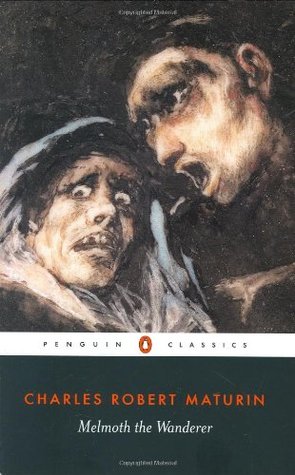


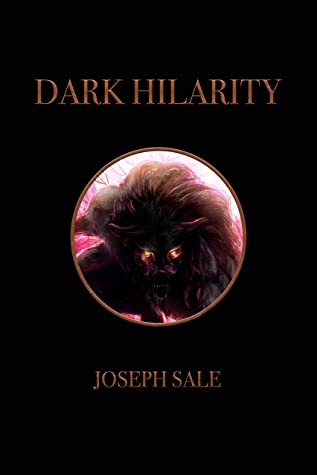
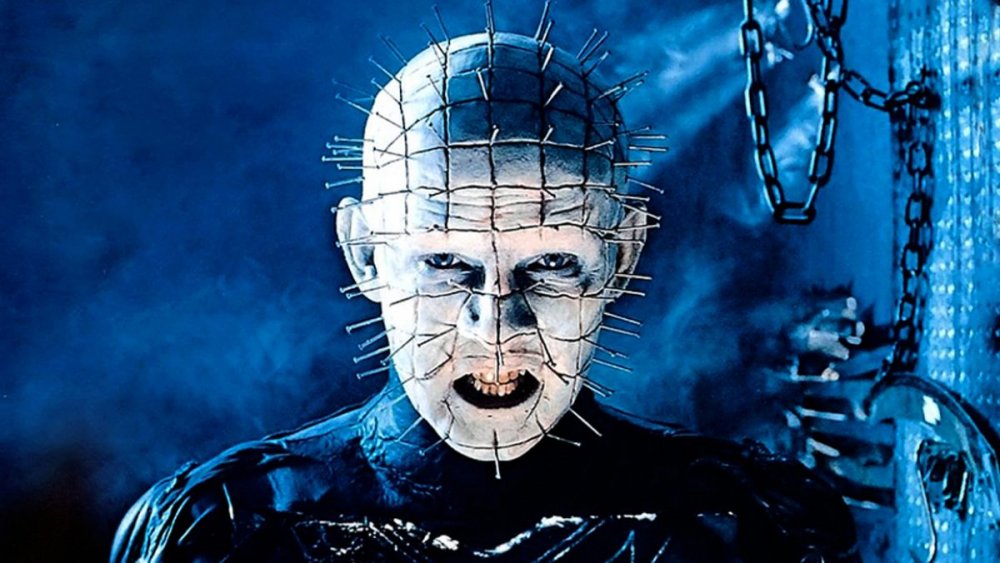
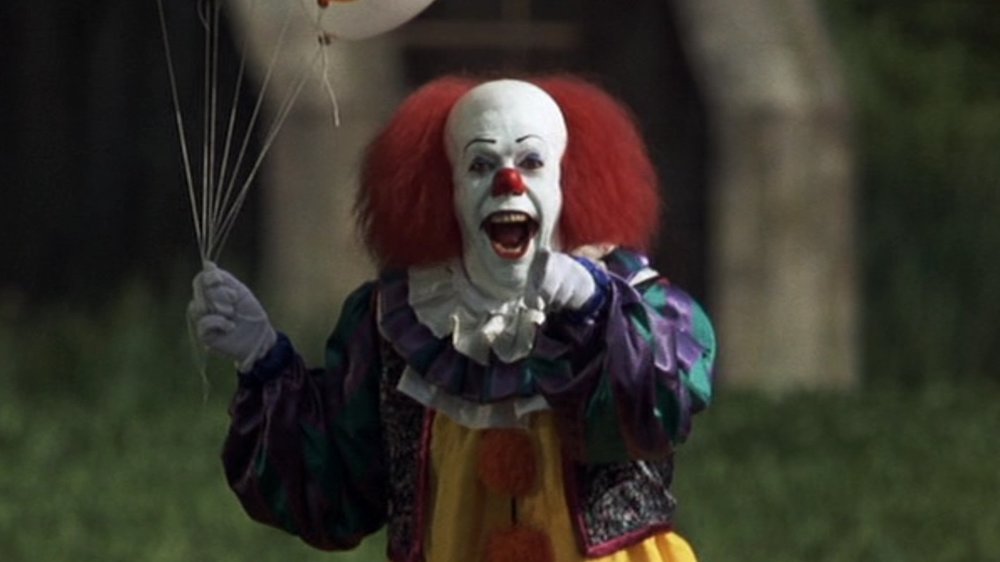
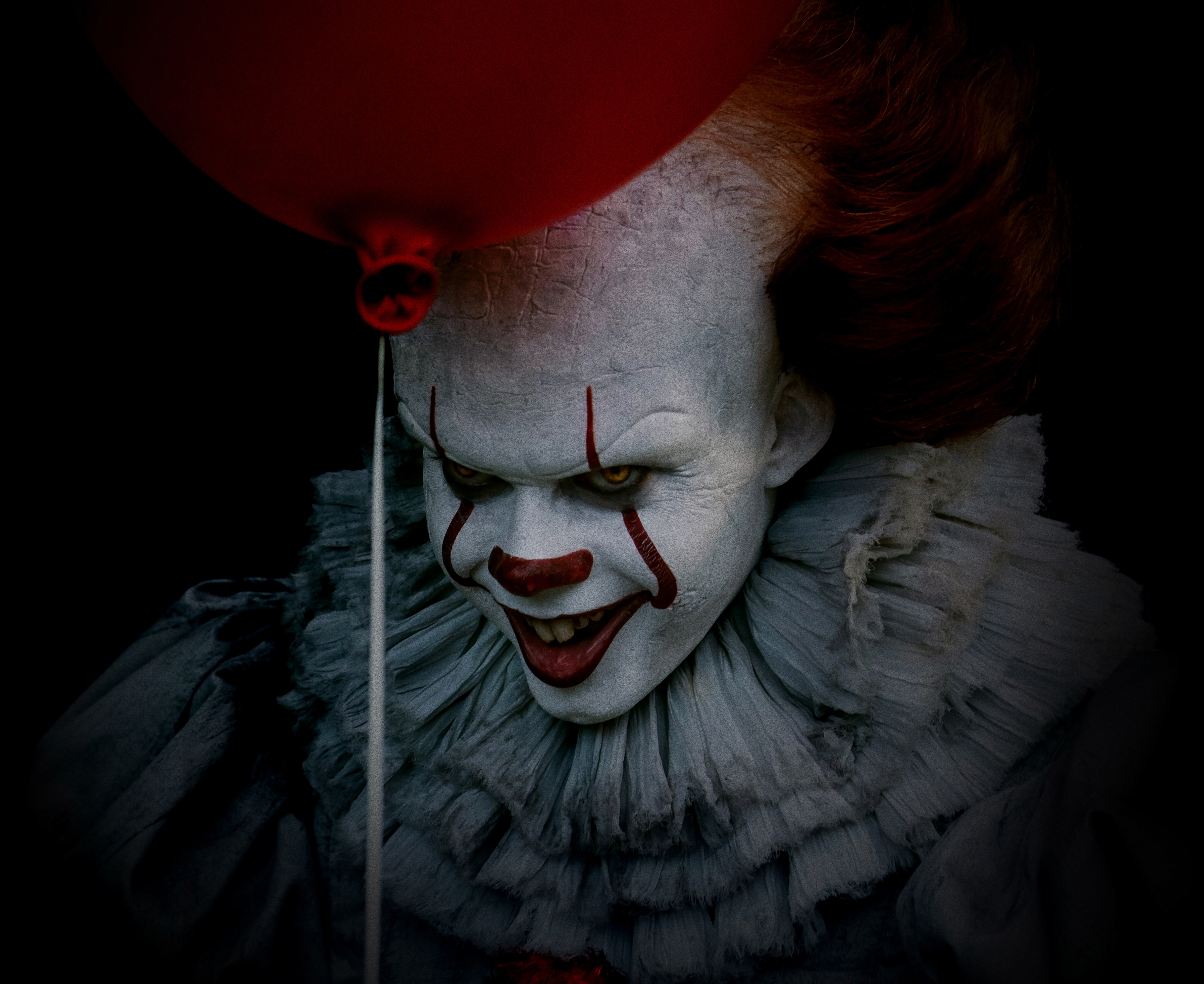
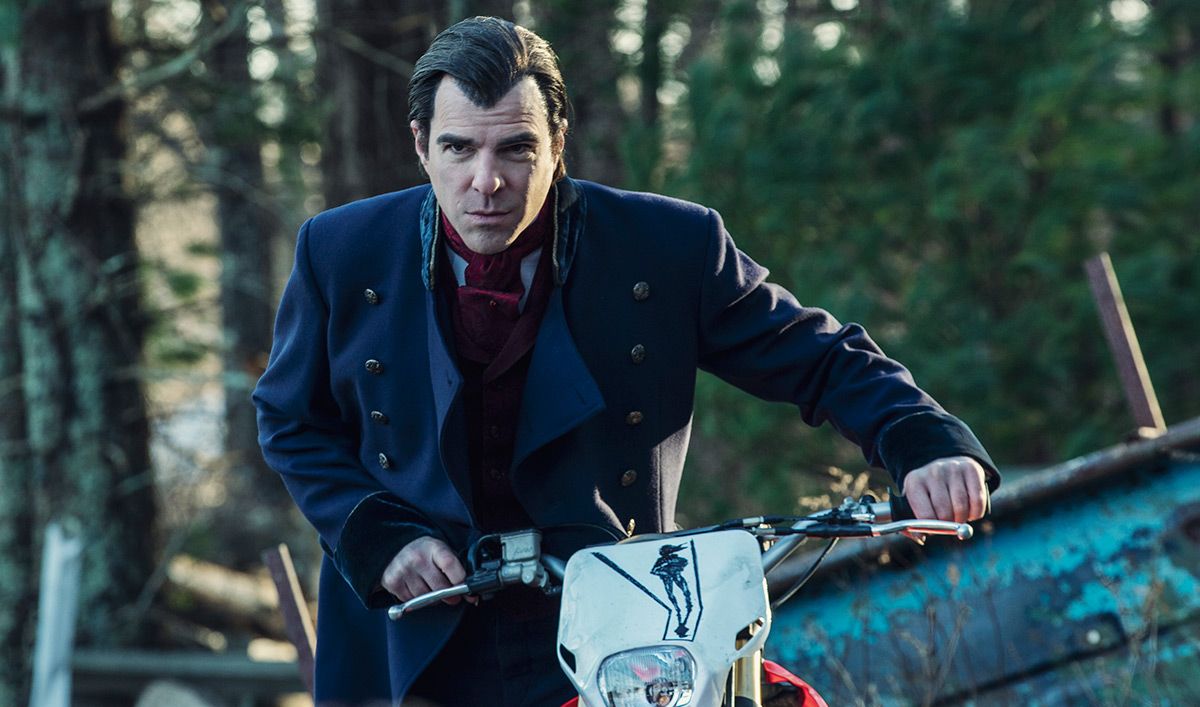
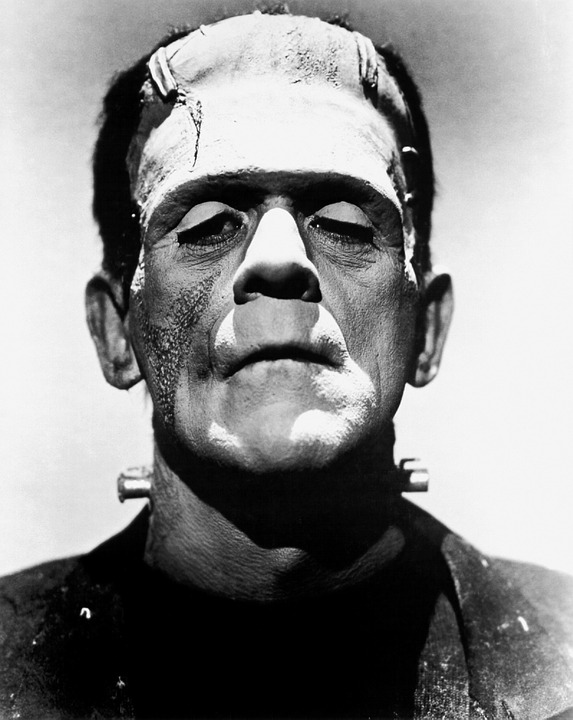
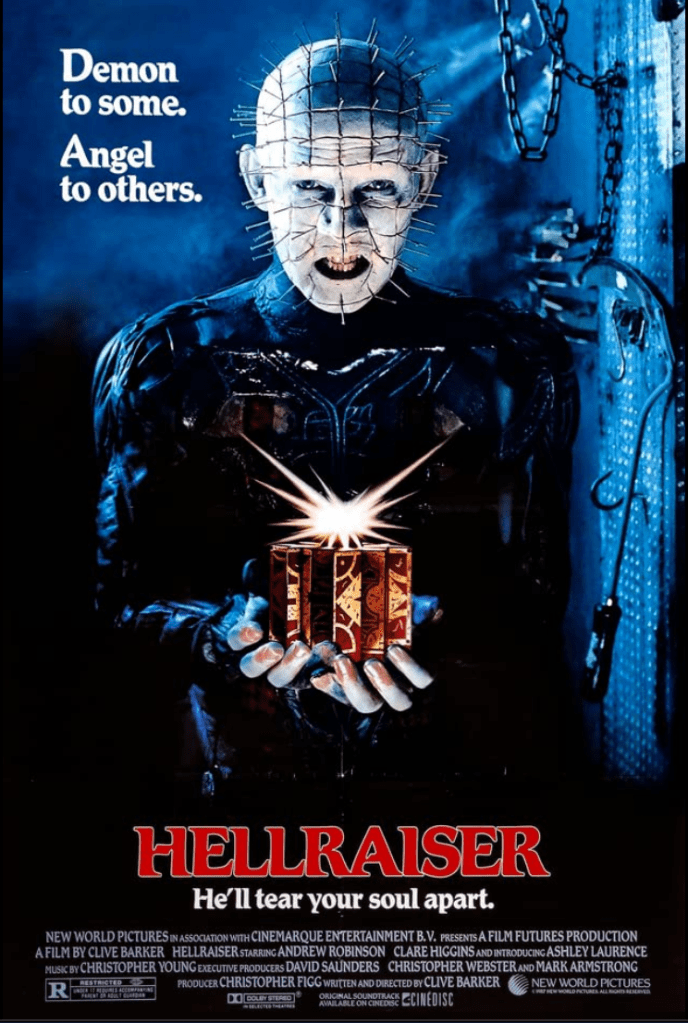
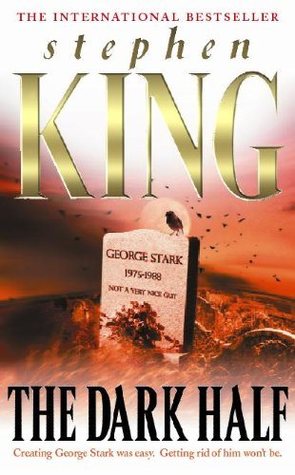

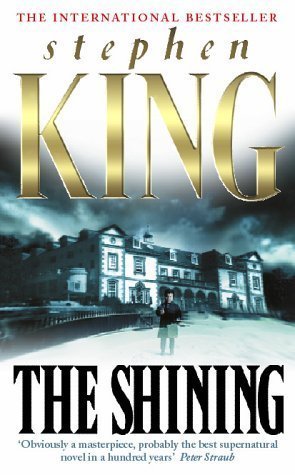
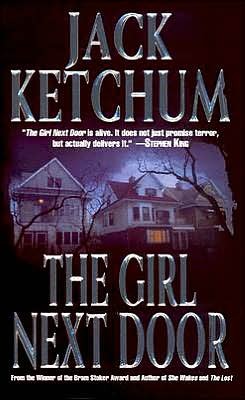
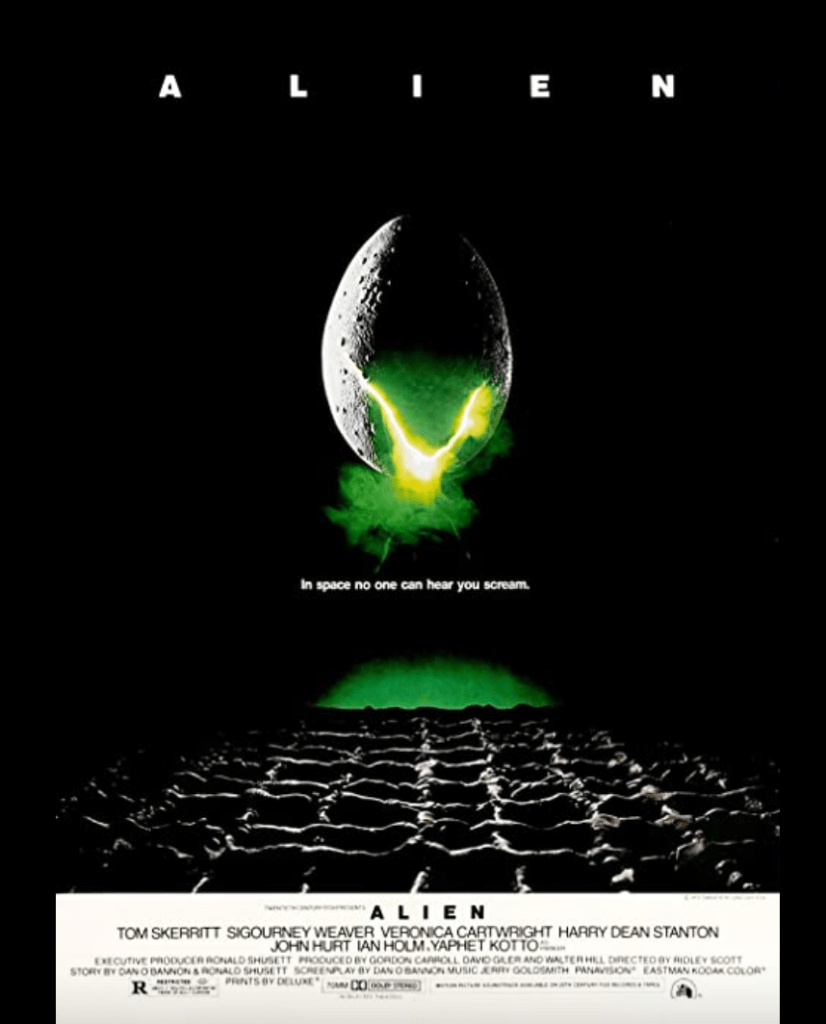
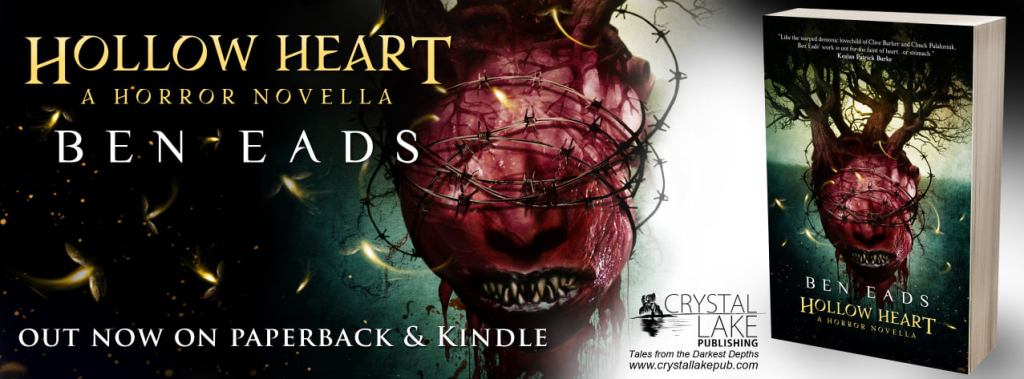


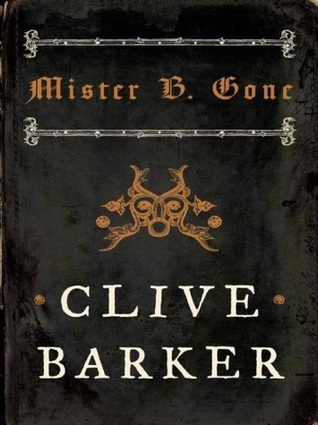

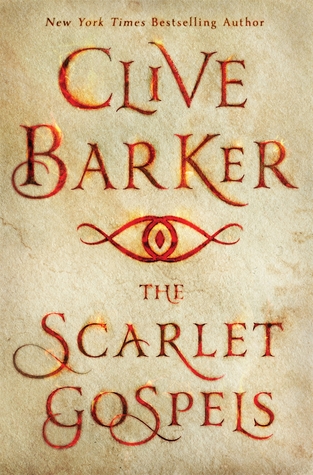


 Meghan's House of Books