Halloween Extravaganza: INTERVIEW: Steven Wynne

Meghan: Hi, Steven! Welcome back to my annual Halloween Extravaganza. I hope you’re liking the new blog. It’s been awhile since we sat down together. What’s been going on since we last spoke?

Steven Wynne: It has indeed been a while! Unfortunately, my entire life twisted into complete shit right around the beginning of last year. I got divorced, and two weeks after that cluster bomb detonated, my dad entered hospice after a three year fight with stage four brain cancer, which led to six months of awfulness and heartbreak until he finally passed in late October 2018. On top of that carnival of giggles and mirth, my job turned into an absolute nightmare that persisted until I finally left and found a better job earlier this year.

In the midst of all that, I stopped being able to write. After the initial one-two punch of the divorce and hospice, there was a two week period where I couldnโ€™t even read. As the year wore on, I slowly regained my focus and made a few tentative stabs at writing. There were a few other things that have happened (see answers below), but what Iโ€™m really excited for is that Iโ€™ve just finished writing a new story for the first time in over a year. Itโ€™s made the rounds of beta readers, had its due edits, and is ready to be subbed out to soak up the rejections.

Meghan: Who are you outside of writing?

Steven Wynne: Iโ€™m quiet as hell and pretty reclusive, more often than not. When Iโ€™m not working absurd hours, Iโ€™m usually the type to relax and read, and slowly make my way through my massive TBR pile. Iโ€™ve been playing a lot more guitar in the last year and doing some recording here and there, but by and large, Iโ€™m a solitary kinda guy.

Meghan: How do you feel about friends and close relatives reading your work?

Steven Wynne: Iโ€™m cool with it? The few friends/acquaintances of mine who have showed up in my stories are the kind of folk who can roll with it. Except the one guy. Fuck that one guy.

Meghan: Is being a writer a gift or a curse?

Steven Wynne: I donโ€™t know that itโ€™s so much a gift as it is a skill that needs to be honed. I mean, I donโ€™t think Iโ€™m all that dazzling a writer, but I can recognize Iโ€™m way better now than when I started submitting years ago. It takes commitment, years of nothing but rejections, and seeking out input from others about what youโ€™re doing wrong and what you could be doing better. No different from any other creative hobby one might pursue, I suppose?

Meghan: How has your environment and upbringing colored your writing?

Steven Wynne: Everything is sad, thereโ€™s not much hope for anything, the world has an all-encompassing incomprehensible terror to it, youโ€™re all alone, and Dadโ€™s drunk.

Meghan: Whatโ€™s the strangest thing you have ever had to research for your books?

Steven Wynne: Iโ€™m currently working on a story with a lot of crime and murder elements to it, so there have been things like, โ€˜How long does it take for the eyes to cloud over postmortemโ€™ and all the processes that go into that, and things of that nature. But then again, Iโ€™m a true crime hound and was already interested and fascinated by that kinda stuff, anyway. Not exactly โ€˜strangeโ€™ compared to some of my friends and other writers I know, but itโ€™s what comes to mind.

Meghan: Which do you find the hardest to write: the beginning, the middle, or the end?

Steven Wynne: Starting is always rocky terrain for me. Itโ€™s where Iโ€™m most likely to get distracted and abandon ship. If Iโ€™m in something and Iโ€™m cooking on it, things seem to click. That test is usually passed if I wake up on time and am able to devote forty five to ninety minutes to the thing before work, and Iโ€™m able to do that for, say, three days, thatโ€™s a good sign. The middle and end are more fun for me. Seeing how it all plays out is usually a big surprise for me as well. That opening, though, thatโ€™s fucking treacherous.

Meghan: Do you outline?  Do you start with characters or plot?  Do you just sit down and start writing?  What works best for you?

Steven Wynne: Iโ€™m a pantser, through and through. Outlines arenโ€™t fun at all for me. Usually, I need two ideas handcuffed to each other to work. They can be a character and a situation, a setting and situation, a character and another character, whatever they are, I usually canโ€™t run with just one. I kinda view my process as one idea is the driver, the other is the vehicle. Sometimes, the goodies floating around in the ideaspace coalesce into one weird hybrid that (I think) makes for a good story. When I write, I pretty much just sit down and go. There can sometimes be a long time between ideas merging, but the more I write, the quicker pieces tend to fall together.

Meghan: What do you do when characters donโ€™t follow the outline/plan?

Steven Wynne: Listen to them, usually. A lot of times, the story greatly benefits from a little tangent here or there. If that doesnโ€™t work, kill โ€˜em.

Meghan: What do you do to motivate yourself to sit down and write?  

Steven Wynne: Remember how good it feels to accomplish something. Also remember how much it sucks to have my days consist of coffee, food, work, one good/meh shit, more food, and sleep. Remind myself that Scares is coming up next year, and how great would it be to have something to bring to share with my friends.

Meghan: Are you an avid reader?

Steven Wynne: I do my best.

Meghan: What kind of books do you absolutely love to read?

Steven Wynne: Sad, dark yarns that back up my preconceived notions of the world without making me do any intellectual heavy lifting and realizing I might be wrong about stuff.

I keed. Kinda.

I absolutely love short story collections, and Iโ€™m very much loving everything weird and melancholy I can get my hands on. Currently, Iโ€™m reading Cry Your Way Home by Damien Angelica Walters, and itโ€™s fantastic in every goddamn way.

Meghan: How do you feel about movies based on books?

Steven Wynne: I donโ€™t have a problem with โ€˜em?

Meghan: Have you ever killed a main character?

Steven Wynne: Every time, it seems.

Meghan: Do you enjoy making your characters suffer?

Steven Wynne: Not really. I hate seeing people suffer in any capacity, even if Iโ€™m the person creating the whole scenario, people included. If the characters are suffering, itโ€™s to serve a purpose and to serve the forward momentum of the story. I donโ€™t enjoy it at all, but sometimes the stories I spit out canโ€™t help but be born in those environments.

Meghan: Whatโ€™s the weirdest character concept that youโ€™ve ever come up with?

Steven Wynne: A time/dimension traveling woman who *could have been* a main characterโ€™s aunt, who carries around a tiny living puppet of the main characterโ€™s father in a glass bottle.

Meghan: Whatโ€™s the best piece of feedback youโ€™ve ever received?  Whatโ€™s the worst?

Steven Wynne: I will always defer to Russell Coyโ€™s wisdom when it comes to editing and pointing out what works and doesnโ€™t in stories. I think I still have the first things he beta read for me saved in my google drive with their miles of red strikethrough and explanations of why things donโ€™t work, and when Iโ€™m being overly wordy, how *this* whole paragraph is redundant because everything substantive in it is hinted at subtly in one sentence three paragraphs before. John Boden has also been fantastic about pointing out things that are hacky.

Worst feedback was from a friend who clearly misinterpreted everything about a story I sent him. Character motivations, denouement, attribution, just. . . everything. Donโ€™t want to go too into specifics with that, but it was the first time I heard someone being critical of something I wrote and made a fart sound and jerk-off motion. Havenโ€™t sent that dude anything else Iโ€™ve done since. 

Meghan: What do your fans mean to you?

Steven Wynne: My mom means the world to me.

Meghan: If you could steal one character from another author and make them yours, who would it be and why?

Steven Wynne: That is a damn good question. I might have to say Tiny, from John Bodenโ€™s Spungunion. Heโ€™s turned up in a few of the Knucklebucket Thang books that Boden has cranked out. I absolutely love his character and how he remains a compassionate and empathetic figure despite the solitary, moribund, morose nature of his work.

Meghan: If you could write the next book in a series, which one would it be, and what would you make the book about?

Steven Wynne: Gotta double down on the aforementioned Knucklebucket Thang series, by John Boden/Bob Ford. As much as Iโ€™d love to take a crack at a story exclusively about Tiny, I doubt sincerely I could do him anywhere near the justice he would deserve for his own standalone story. Iโ€™d want him in there, though.

Meghan: If you could write a collaboration with another author, who would it be and what would you write about?

Steven Wynne: Haha! Iโ€™m currently collaborating with my friend and fellow author Justin Lutz. actually, and Iโ€™m so goddamn happy to be doing so. Without going into too terribly much detail, itโ€™s about a serial killer operating in Central Pennsylvania and using the Opioid epidemic as a means of trapping victims and covering up his crimes, while a reclusive clairvoyant coroner is slowly gaining clues as to not only who the killer is, but the identities of the Jane Does in her morgue who can talk to her but canโ€™t remember who they are.

Meghan: What can we expect from you in the future?

Steven Wynne: Hopefully? Iโ€™ll get some more short fiction published, get one of the few novellas I have sitting around published as well, and this still unnamed collaborative novel between Justin Lutz and I. I have a feeling that when thatโ€™s done, folks might really enjoy it.

Apart from that? Expect to see me at Scares that Care 2020, probably drunk and trying to give Wile E. Young my phone number again for the third year in a row.

Meghan: Where can we find you?

Steven Wynne: Oh, Iโ€™m on the usual haunts. Track me down on Facebook, and Iโ€™m on Twitter.

Meghan: Do you have any closing words for your fans or anything youโ€™d like to say that we didnโ€™t get to cover in this interview or the last?

Steven Wynne: Read Gwendolyn Kiste. Come to Scares that Care. Buy me a shot.
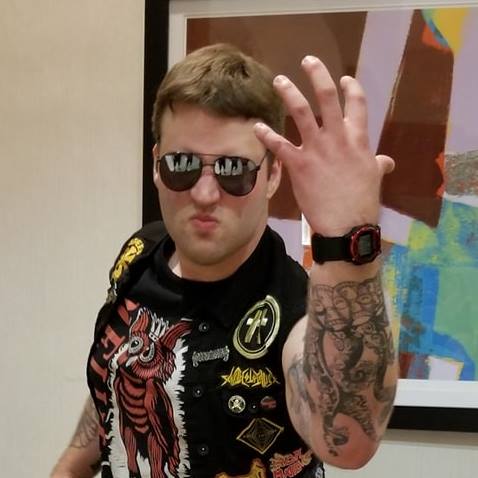
Steven Wynne writes dark fiction. His short fiction has appeared here and there, online and elsewhere. His metabolism is slowing down, and he looks bad. Like, have you seen him recently? Someone should call someone. He resides in Central Pennsylvania with his pain in the ass cat.

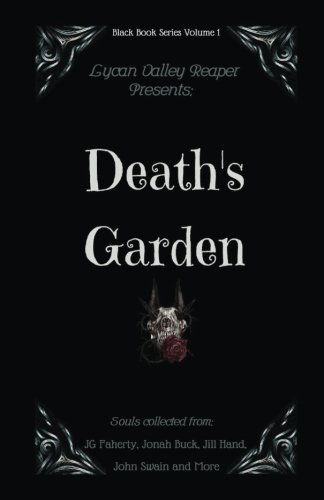
Reaper Black Book 1: Death’s Garden

The Lycan Valley Reaper has a new hobby — Gardening. He tends to each plant’s every need from seed to harvest. The black seeds bloom in the shadows, petals unfolding as the twisted vines take root in your mind. These 13 stories and 12 poems are planted, germinated and ready for the harvest. Souls collected from Edward Ahern * Shaun Avery * Ross Baxter * R Bratten Weiss * Jonah Buck * O.R. Dalby * JG Faherty * Dale W Glaser * Jill Hand * Michael H Hanson * Liam Hogan * Mathias Jansson * Jordan King-Lacroix * Chad Lutzke * A.M. Nestler * Kurt Newton * Gregory L Norris * Allan Rozinski * Susan A Sheppard * David F Shultz * Claire Smith * Max D Stanton * John McCallum Swain * Sara Tantlinger * Steven Wynne

I also have a short story, Escape Velocity, in the December 2016 edition of Sirens Call Ezine. (The link will redirect you to the .pdf that you can download.)

You can also find my short story, Fireflies, as part of a previous Halloween Extravaganza here, as well as my short Hallowen story, The Yellow Line, last year’s contribution, here.

Halloween Extravaganza: INTERVIEW: John Everson

Meghan: Hey, John! Itโ€™s been awhile since we sat down together. Whatโ€™s been going on since we last spoke?

John Everson: Hmmmโ€ฆ. Well, letโ€™s seeโ€ฆ I bought a classic 1980 Galaxy pinball game by Stern for my basement last winter. Over the spring I read maybe the first autobiography Iโ€™ve ever read (John Fogerty. Heโ€™s amazing). Iโ€™ve spent some time in San Diego, Las Vegas and New Orleans travelling for my day job. Ohโ€ฆ and I finished a new book for Flame Tree Press called The Devilโ€™s Equinox, that came out at the end of June!

Meghan: Who are you outside of writing?

John Everson: I am a lot of things, I suppose, but most importantly I hold the titles of husband, father, and โ€œflock-leaderโ€ (I have a cockatoo, cockatiel and parakeet). Iโ€™m an obsessive music lover, pinball hobbyist, and baseball (Chicago Cubs!) fan. Iโ€™m also a hot pepper nut and beer aficionado (some say โ€œbeer snobโ€). I love discovering new breweries and finding great IPAs. I am at the core an incessant creative โ€“ aside from writing fiction, I love to garden, cook, write music, create digital art, do occasional woodwork projectsโ€ฆ as long as Iโ€™m making something, Iโ€™m happy.

Meghan: How do you feel about friends and close relatives reading your work?

John Everson: We all make choices. I let them make theirs!

Meghan: Is being a writer a gift or a curse?

John Everson: Itโ€™s absolutely a gift. The ability to put yourself in the shoes of all sorts of characters helps develop a level of patience, empathy and understanding for the people around you. Itโ€™s increasingly easy in todayโ€™s obsessively Me-Me-Me Society to swim in a self-reflective shallow pond. Writing tends to force one to see and try to understand other viewpoints, other ponds. Writing also offers an escape from a world that is increasingly problematic to stomach with the endless political bickering and my-cause-is-more-righteous-than-yours posturing. A writer can disappear into his or her own world and characters and shut out the unwanted noise of the real one.

Meghan: How has your environment and upbringing colored your writing?

John Everson: I grew up in an ultra-conservative Catholic home and went to parochial school for 13 years. My mother was a flag-waver for anti-abortion and religious causes and forced the family to march along with her. The end result of those years was a divorce, a couple of house and school moves, and an estrangement from my dad for many years. Not surprisingly, thanks to those repressive years, as an adult I am a skeptic, support no overt โ€œcausesโ€ and believe that virtually nothing is black and white, but rather shades of grey. I donโ€™t believe in absolutes or heaven and hell. I believe we make our own fate and the best possible world-view is to โ€œlive and let die.โ€ At one point in time, I was considered a liberal, but based on the painfully โ€œpolitically correctโ€ rhetoric I hear from liberals these days, I donโ€™t suppose Iโ€™d be called that anymore by many. In any event, certainly the destructive effects of divorce, narrow-minded religious โ€œcultismโ€ and other obsessive mindsets have impacted who I am and how and what I write.

Meghan: Whatโ€™s the strangest thing you have ever had to research for your books?

John Everson: If you were stretched out on a rack and one of your arms was ripped off at the shoulder from the force, is there a possibility of survival or would you bleed out before it was possible to staunch the flow?

Meghan: Which do you find the hardest to write: the beginning, the middle, or the end?

John Everson: Beginnings are hardest for me. The first chapter or two is easyโ€ฆ but then you have to build the characters and set all of the plot issues in motion. You have to introduce people and round them out with things the reader can identify with, while trying to keep some energy moving in the story. To me itโ€™s like a rollercoaster. Ratcheting everything up to that first big peak is hard, slow and often frustrating. But once the cars tip down that peak and begin to careen towards the first big dip and flip โ€“ well, thatโ€™s the fun part. At times during those rollercoaster plot twists, the book really just writes itself if youโ€™ve set things up right.

Meghan: Do you outline? Do you start with characters or plot? Do you just sit down and start writing? What works best for you?

John Everson: I have to outline โ€“ because thatโ€™s how I sell my next book to my publisher (hereโ€™s what Iโ€™d like to write, what do you think? Will you contract it?). Itโ€™s not my favorite way to write, because it pushes you into a bit of a paint-by-numbers feeling, and the fun of writing for me is to tell myself a story. But usually my outlines have lots of room for unpredicted plot twists and changes, so itโ€™s all good. And it does help to have a general roadmap to help ensure that youโ€™re moving toward the right destination and not detouring into a dead end. As far as how it happens? Usually I brainstorm a few different story ideas at a time. Later I decide what I want to develop and will sit down and spend a few hours trying to plot out how the story might work. So I generally start with a situation/conflict and spin the story out from there.

Meghan: What do you do when characters donโ€™t follow the outline/plan?

John Everson: Well, thatโ€™s a conscious choice that you as the writer make. I typically donโ€™t make that choice, though I also leave my outlines open enough that there are various ways certain situations could go. I know some writers say โ€œwell, my characters decided they didnโ€™t want thatโ€ and it always makes me laugh. Unless youโ€™re schizophrenic, you control the characters and every action they make. Hopefully you write the characters so that they seem alive to your readers, butโ€ฆ theyโ€™re not. They canโ€™t make choices themselves. You may decide you donโ€™t like what you originally outlined and skip itโ€ฆ but the characters arenโ€™t making those decisions โ€“ you are!

Meghan: What do you do to motivate yourself to sit down and write?

John Everson: I sell an idea and get a contract โ€“ with a hard deadline date on it! When I was younger, I didnโ€™t have a lot of responsibilities and writing was just an enjoyable pastime that I did on weekends to pass the time. Fast forward 30 years and just finding an hour or two at night to do this interview is challenging. So, to make sure that I actually DO still write, I try to get each project contracted, with a deadline. Iโ€™m a former journalist, so Iโ€™m used to the motivation that real deadlines drive. Without a real deadline, I could let weeks or even months go by and never sit down at the computer to really work.

Meghan: Are you an avid reader?

John Everson: I used to beโ€ฆ itโ€™s why I became a writer. Sadly, the past few years, Iโ€™ve only managed to read a handful of books a year. Iโ€™m always working on one thing or another, and having the time to just sit in a chair for an hour or two and read just never happens. Iโ€™m looking forward to conquering the ginormous TBR pile in my bedroom once I retire (though thatโ€™s another decade away!)

Meghan: What kind of books do you absolutely love to read?

John Everson: Fast, fun stories that yank you out of this world and take you on a crazy ride somewhere else. Growing up, I was a sucker for golden age science fiction. As an adult, my tastes skewed more to horror and dark fantasy. Nina Kiriki Hoffmanโ€™s novels about a family/community of people who can harness magic kept me enthralled. Iโ€™ve read a many Edward Lee horror novels that sucked me in and didnโ€™t let me go until the book was over. Itโ€™s incredibly rare for me to have the time or interest to read an entire book in a day, but things like his City Infernal and Succubi or Incubi are literally the blueprint for how to write a book that keeps you entranced page-after-page. Heโ€™s one of the few authors whose books Iโ€™ve read start-to-finish in a day.

Meghan: How do you feel about movies based on books?

John Everson: There should be more of them! Hollywood keeps recycling the same movies, and yet there are thousands of novels โ€“ fresh, unfilmed stories! — published every year. While usually you will feel that a movie version doesnโ€™t do justice to your favorite books, I think they do provide a different look at the storyโ€ฆ and there are millions of people who will never read the book version, but would watch the story if it was to unfold on the screen.

Meghan: Have you ever killed a main character?

John Everson: Maybe?

Meghan: Do you enjoy making your characters suffer?

John Everson: Noโ€ฆ and thatโ€™s why you have to ask yourself during โ€œdifficultโ€ scenes if youโ€™re โ€œpulling punchesโ€? Are you being too easy on them because you like them and donโ€™t want the situation youโ€™ve set up to really impact them like it should?

Meghan: Whatโ€™s the weirdest character concept that youโ€™ve ever come up with?

John Everson: I once wrote a story about a lesbian relationship between an alien described as a cross between โ€œa horse and a centipedeโ€ and a human woman who she meets as part of a human โ€œsex circus.โ€

Meghan: Whatโ€™s the best piece of feedback youโ€™ve ever received? Whatโ€™s the worst?

John Everson: Donโ€™t quit your day job. Don’t quit your day job.

Meghan: What do your fans mean to you?

John Everson: Everything! Theyโ€™re why I write. Without readersโ€ฆ whatโ€™s the point of telling a story?

Meghan: If you could steal one character from another author and make them yours, who would it be and why?

John Everson: This is digging back a ways, but one of my favorite characters growing up was Poul Andersonโ€™s Dominic Flandry. He wrote several books about Flandry: Agent of the Terran Empire, a kind of intergalactic 007. One of Flandryโ€™s favorite sayings was, “What is the point of living in a decadent age if you don’t know how to enjoy the decadence?”

Meghan: If you could write a collaboration with another author, who would it be and what would you write about?

John Everson: I actually started an apocalyptic collaboration with W.D. Gagliani and David Benton a few years ago and Iโ€™d love to finish itโ€ฆ because I want to know what happens! One of these days weโ€™ll all dig in and make it happen!

Meghan: What can we expect from you in the future?

John Everson: Iโ€™m currently working on a book called Voodoo Heart, set for release in October 2020. Itโ€™s a book Iโ€™ve wanted to write for 15 years because itโ€™s set in the world of the title story from my 2nd fiction collection Vigilantes of Love. When I wrote the original โ€œVigilantes of Loveโ€ pastiche, it was a very slight โ€œflash fictionโ€ scene about a particular voodoo curse in New Orleans. My editor convinced me to expand it to more of a real story for that bookโ€ฆ and ever since, Iโ€™ve thought that it could really expand into a novel-length story. I outlined it a decade ago and finally started working on actually writing it while I was in New Orleans for business in the spring. I am hoping to finish it by the end of the year.

Meghan: Where can we find you?

John Everson:

Website
BookBub ** Goodreads ** Amazon
Facebook ** Twitter ** Instagram
Newsletter

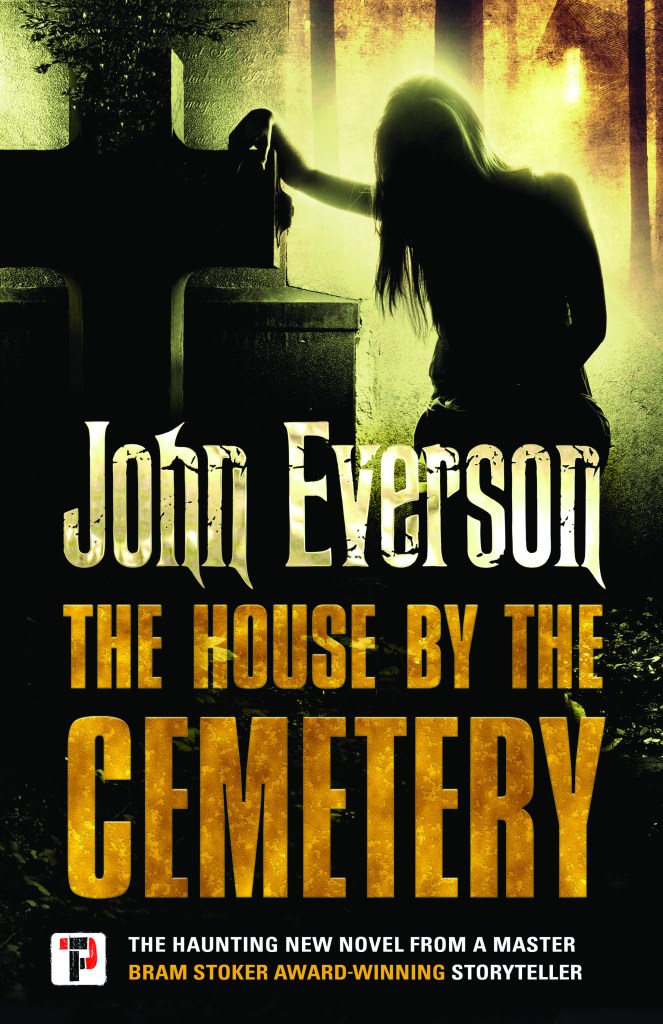
John Everson is a staunch advocate for the culinary joys of the jalapeno and an unabashed fan of 1970s European horror, giallo and poliziotteschi cinema. He is also the Bram Stoker Award-winning author of eleven novels, including his latest occult thriller, The Devilโ€™s Equinox, and last yearโ€™s The House By The Cemetery, which takes place at a real haunted cemetery — Bachelorโ€™s Grove — in the south suburbs of Chicago. His first novel Covenant, was a winner of the Bram Stoker Award and his sixth, NightWhere, was a finalist for the award. Other novels include Redemption, the conclusion to the trilogy begun in Covenant, as well as Sacrifice, Violet Eyes, The Pumpkin Man, The Family Tree, Siren, and The 13th. Over the past 25 years, his short stories have appeared in more than 75 magazines and anthologies. He is the founder of the independent press Dark Arts Books and has written novelettes for The Vampire Diaries and Jonathan Maberryโ€™s V-Wars universe (Books 1 and 3), which will appear as a 10-episode series on NetFlix in 2019. Heโ€™s also written stories for The Green Hornet and Kolchak, The Night Stalker anthologies. He has had several short fiction collections, including Needles & Sins, Vigilantes of Love, Cage of Bones & Other Deadly Obsessions, and most recently, Sacrificing Virgins. For more on his obsession with jalapenos and 1970s European horror cinema, as well as information on his fiction, art and music, visit his website.

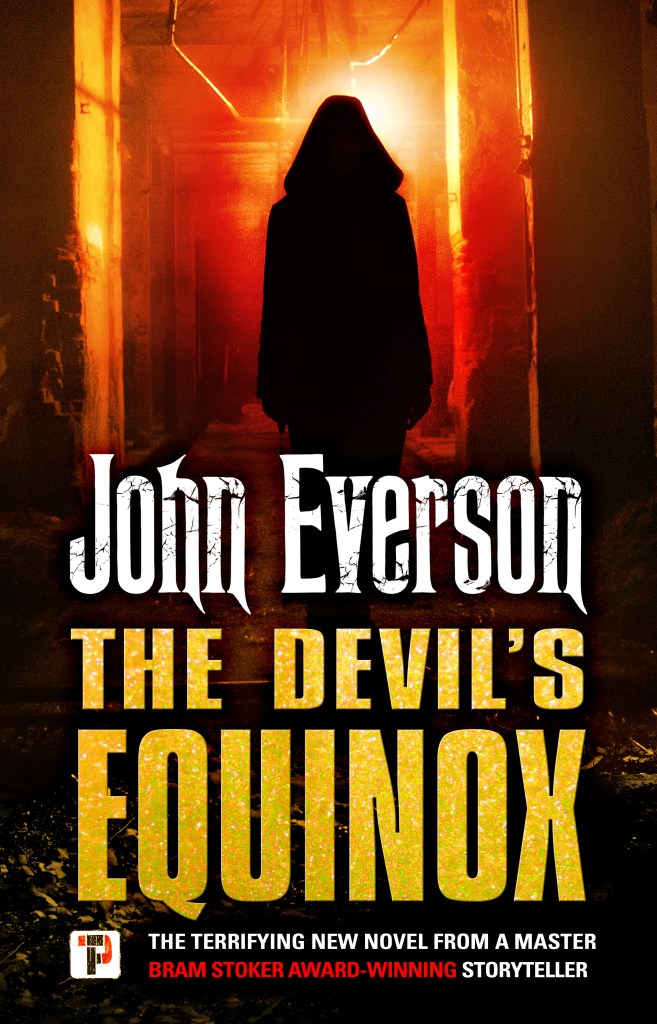
The Devil’s Equinox

Austin secretly wishes his wife would drop dead. He even says so one boozy midnight at the bar to a sultry stranger with a mysterious tattoo. When his wife later introduces that stranger as Regina, their new neighbor, Austin hopes she will be a good influence on his wife. Instead, one night he comes home to find his wife dead. Soon he’s entranced with Regina, who introduces him to a strange world of bloodletting, rituals and magic. A world that puts everything he loves in peril. Can Austin save his daughter, and himself, before the planets align for the Devil’s Equinox? FLAME TREE PRESS is the new fiction imprint of Flame Tree Publishing. Launched in 2018 the list brings together brilliant new authors and the more established; the award winners, and exciting, original voices.

The House by the Cemetery

Rumor has it that the abandoned house by the cemetery is haunted by the ghost of a witch. But rumors wonโ€™t stop carpenter Mike Kostner from rehabbing the place as a haunted house attraction. Soon heโ€™ll learn that fresh wood and nails canโ€™t keep decades of rumors down. There are noises in the walls, and fresh blood on the floor: secrets that would be better not to discover. And behind the rumors is a real ghost who will do whatever it takes to ensure the house reopens. She needs people to fill her house on Halloween. Thereโ€™s a dark, horrible ritual to fulfill. Because while the witch may have been dead… she doesnโ€™t intend to stay that way.

Halloween Extravaganza: INTERVIEW Part 2: Halloween Edition: Jeff Parsons

Jeff Parsons was really interested in taking part in all of this year’s Halloween Extravaganza, but he just could not think of a guest post topic, so, joking around, I gave him some suggestions, in question form, and he answered all three. He has some interesting answers…


Meghan: What do you think is the worst Halloween candy ever created?

Jeff Parsons: Wax Bottle candy. Nip the top off, get wax on your lips, tongue, and teeth, spit it out in a slimy gob, and suck down the eyedropper squirt of bland sugar water. I think the sugar offsets the gag reflex, for undoubtedly, the liquid is some type of industrial waste discharge. Also, not part of any known food group is the related Candy Corn apostacy. Is it wax or non-fructose opioid? All I want to know is how to stop eating themโ€ฆ

Meghan: What was the best Halloween costume you wore as a kid?

Jeff Parsons: This will date me, but there was only one type of costume available. Store bought. The outfit came in a box that showed the costume through a clear cellophane window. The outfit was a plastic strap-on mask of Frankenstein, King Kong, Superman, etc. and a faux-silk matching tunic. The mask had two nose hole openings and a slit for a mouth. You couldnโ€™t breathe. Sweat fogged up my glasses, further complicating the tunnel vision view. The maskโ€™s rubber band bit into my head and broke too soon with a zinging snap to my ears. So, Iโ€™d have to hold the mask up to my face. After a while, I got tired of that. Iโ€™d just show the mask when the door opened to prove I was legit. By then, I was already exhausted by the marathon of getting as much candy as possible before the 6PM-get-your-butt-back-home curfew.

Meghan: Do you think it sucks for kids these days to not know the awesomeness of Halloween when we were kids?

Jeff Parsons: We were less jaded in the olden days. A good scary story really worked us over. Witches and goblins seemed to be a lot more believable back thenโ€ฆ When I was young, seeing bizarre costumed people walking about on the street was like seeing a sign of civilizations sudden collapse into insanity. Nowadays, weird is normal and normal is weird. And, around late October, winter was on its way. When it got colder and darker, the leaves fell off the trees โ€“ my parents said not to worry, spring will return, but couldnโ€™t it be they were protecting me from the awful truthโ€ฆ it may not return? Nowadays, everything can be Googledโ€ฆ no mystery.

Jeff is a professional engineer enjoying life in sunny California, USA. He has a long history of technical writing, which oddly enough, often reads like pure fiction. He was inspired to write by two wonderful teachers: William Forstchen and Gary Braver. In addition to his two books, The Captivating Flames of Madness and Algorithm of Nightmares, he is published in SNM Horror Magazine, Bonded by Blood IV/ V, The Horror Zine, Dark Gothic Resurrected Magazine, Chilling Ghost Short Stories, Dystopia Utopia Short Stories, Wax & Wane: A Coven of Witch Tales, Thinking Through Our Fingers, The Moving Finger Writes, Golden Prose & Poetry, Our Dance With Words, The Voices Within, Fireburst: The Inner Circle Writersโ€™ Group, Second Flash Fiction Anthology 2018, and Year’s Best Hardcore Horror Volume 4. For more details, visit his Facebook Author Page.

The Captivating Flames of Madness

This book’s title comes from the reality that – like a moth to the flame – we’re all just one event, mishap, or decision away from things that could change our lives forever. 

What would you do if fate led you astray into a grim world where you encountered vengeful ghosts, homicidal maniacs, ancient gods, apocalyptic nightmares, dark magic, deadly space aliens, and more?

If you dare, why not find out? 

Read for yourself the twenty-two gloriously provocative tales that dwell within this book – but be warned, some of my dear readers have experienced lasting nightmares…

Halloween Extravaganza: INTERVIEW: Jeff Parsons

Meghan: Hi, Jeff. Welcome to Meghan’s House of Books. Tell us a little bit about yourself.

Jeff Parsons: Iโ€™m married with 3 children. Iโ€™m a Mechanical Engineer with Nuclear Engineering experience working in a Civil Engineering position doing IT work (well lately, thatโ€™s mostly true). So, my thoughts are more than a few standard deviations away from familiar territory, a mindset thatโ€™s perfect for writing, btw. Iโ€™ve been toying with the idea of getting back into pen & pencil artwork for my upcoming book. Over 20 of my short stories have been published as well as two books of short story collections. I am a servant to 2 cats named Buddy and Holly. They are benevolent overlords.

Meghan: What are five things most people don’t know about you?

Jeff Parsons:

  • I collect ancient coins. My oldest coin is from Sicily 5th Century B.C.
  • I volunteer medical services for the fire department’s Community Emergency Response Team.
  • I’ve co-authored four classified scientific papers. Luckily, I’ve forgotten everything relevant about them so I’m no longer a target for kidnapping by disgruntled nations (and I’m sure the gruntled ones never cared either).
  • I used to fly airplanes solo as a student pilot. My longest solo flight visited two airports for about 500 miles total. Yeah, that was scary, especially flying through an unexpected thunderstorm.
  • I love computer games that are in an open immersive world setting like Assassin’s Creed Olympos. I feel like I’m living in the past except there’s no fear of dying (I only fear boredom).

Meghan: What is the first book you remember reading?

Jeff Parsons: I first read a lot of horror comics and Mad Magazine.

My first book was Fire-Hunter by Jim Kjelgaard. Itโ€™s about living in prehistoric times. It had a simple plot but was fun to read.

My first serious book was The Hobbit by J.R.R. Tolkien. It had beautiful woodblock drawings in it. The plot had an enormous amount of depth to it โ€“ something quite new to me. I got hooked on books after that.

Meghan: What are you reading now?

Jeff Parsons: Day by Day Armageddon by J.L. Bourne. He knows his military tech and the book is written with an extraordinary sense of realism to it.

Meghan: What’s a book you really enjoyed that others wouldn’t expect you to have liked?

Jeff Parsons: The Princess Bride by William Goldman. It was hilarious, even funnier than the movie.

Meghan: What made you decide you want to write? When did you begin writing?

Jeff Parsons: For the longest time, Iโ€™ve done technical and marketing writing at work. I knew that fictional writing was fun and it was a great way to feel creative. I felt I could make a contribution due to my background and life experiences (actually, I think many people can do the same if they want to). I always wondered what it would take to get published. I searched on the internet for the best way to get started. The simplest way was to submit short stories to small press magazines that accept new authors. From there, be persistent, keep on getting published, building up a resume of accomplishments that shows your commitment (street cred). In my early writing years, about a decade ago, I received excellent feedback from some editors. I used that constructive criticism to sharpen my skills while holding onto my own ideas about what I wanted to write. Since then, as painful as the process can be, I treasure objective critical evaluations from editors and my writersโ€™ group.

Meghan: Do you have a special place you like to write?

Jeff Parsons: I often write while watching tv. I think itโ€™s because my thoughts become more spontaneous if Iโ€™m a little bit distracted. I used to study while listening to music, so I think the theory works for me. Sometimes, to get a different point of view, I go to a noisy coffee shop to write.

Meghan: Do you have any quirks or processes that you go through when you write?

Jeff Parsons: I donโ€™t write a story immediately. I let an idea simmer. I let it gather along with other ideas to form a plot. For me, I need the plot to be solid before I start writing in the details. Itโ€™s like building a house โ€“ you need the foundation and framework up first before you do everything else (excluding utilities). Nothing is worse than writing something contradictory that makes no sense. Speaking of making no sense, sometimes the characters write the story for me and I just sit back and get all the credit.

Meghan: Is there anything about writing you find most challenging?

Jeff Parsons: I write first drafts on paper. Itโ€™s more flexible for me and I can do it practically anywhere, but eventually the mad scribbling needs to go into the software. I hate typing my edits into my computer. Itโ€™s agony. I mean, have you seen my handwriting? Seriously.

Meghan: What’s the most satisfying thing you’ve written so far?

Jeff Parsons: A recent sci-fi story about how a post-apocalyptic human fights back against titan invaders with the help of some aliens. The story absolutely resounds with rah-rah courage in the face of overwhelming odds.

Meghan: What books have most inspired you? Who are some authors that have inspired your writing style?

Jeff Parsons: City Infernal by Edward Lee. Pompeii by Robert Harris. Childhood’s End by Arthur C. Clarke. Armor by John Steakley. The Hobbit by J.R.R Tolkien. The Conan the Barbarian series by Robert E. Howard. Short story โ€“ A Sound of Thunder by Ray Bradbury. And everything H.P. Lovecraft.

Meghan: What do you think makes a good story?

Jeff Parsons: A good story affects you on a personal level. Itโ€™s relatable. The scenes are real. It provokes emotions. It makes you think. You can apply it to your life. You learn something useful to you. Also, it has to flow seamlessly like water when you read it. Using too much description distracts away from the story. From my Toastmaster years, Iโ€™ve learned that reading a story aloud can help you detect any awkward parts.

Meghan: What does it take for you to love a character? How do you utilize that when creating your characters?

Jeff Parsons: The characters must be real. No perfect people are allowed. There are many sides to everyone; no one is completely good or evil. Also, everyone has their own personality but strangely, we often share common life experiences. This is really scary when you consider that even the worst people can occasionally do good deeds โ€“ perhaps in some aspects of our lives, weโ€™re not as unique as we think we are.

Meghan: Which, of all your characters, do you think is the most like you?

Jeff Parsons: Recently, I wrote a story about a Maine State Detective. He had an intuitive knack for solving cases. In a similar way, I think Iโ€™m clever simply because I think differently than most people. Despite unverified anecdotes to the contrary, Iโ€™m only mildly afflicted with the ravages of intelligence.

Meghan: Are you turned off by a bad cover? To what degree were you involved in creating your book covers?

Jeff Parsons: Iโ€™m definitely turned off by a bad cover. Like most people, I make an initial visual judgement based on the cover, then if itโ€™s interesting, Iโ€™d scan the book summary. Itโ€™s not fair, but itโ€™s an effective way to quickly choose what youโ€™d think about buying. Also, if they took the time to make a decent cover, it makes me think that the rest of the book will also have the same level of attention. My current book was a collaboration between me and my fabulous publisher Hellbound Books. (Shout out to HBB – woot woot)

Meghan: What have you learned creating your books?

Jeff Parsons: An outline is essential. Your first draft should just capture the framework of your ideas, not be anything remotely perfect. It should be extremely drafty (like at hurricane level F5). Also, take some time off from writing if youโ€™re starting to feel burnt out. You have to find a way to make this fun. I often listen to music or a movie while doing the various aspects of writing (outlining, wordsmithing, editing, editing, editing, weeping bitter tears, staring into the abyss, wallowing in willful ignorance, more editing, etc.). Overall, whatโ€™s the point of writing if you donโ€™t want to? And why choose writing? There are far easier ways to accomplish goals, make money, or get attention.

Meghan: What has been the hardest scene for you to write so far?

Jeff Parsons: I wrote a story about an android saying goodbye to his dying cat. I drew from my own experience at the vet with my cat Princess. Heart-breaking but happy in a way. Iโ€™m glad her pain was taken away quickly and that I was there for her in her last moments.

Meghan: What makes your books different from others out there in this genre?

Jeff Parsons: Bold, daring, and unique is what Iโ€™ve heard about my writing, at least on the up side. I shall not utter the words of the dark side (they come from Mordor, bad juju). When I write using technical jargon, I often know what Iโ€™m talking about. If I writing about feelings or romance, itโ€™s a good idea for me to reach out for anotherโ€™s perspective. (e.g. Jeff, are you daft? A woman would never say thatโ€ฆ ahhh, I say)

Meghan: How important is the book title, how hard is it to choose the best one, and how did you choose yours (of course, with no spoilers)?

Jeff Parsons: Lately Iโ€™ve been shopping online. The title is what I see after the book cover. If the title is silly or something that doesnโ€™t interest me, I move on, leaving my brief emotional commitment behind. Coming up with a thought-provoking title is difficult. For my latest book, I thought about what the meaning of horror to me: life is unpredictable, like a moth to the flame โ€“ weโ€™re all just one event, mishap, of decision away from things that could change our lives forever. Thus, my book was named, The Captivating Flames of Madness. The Victorian goth cover shows a pair of hands carefully holding a candle and in the flame is a deathโ€™s head.

Meghan: What makes you feel more fulfilled: Writing a novel or writing a short story?

Jeff Parsons: My two published books are collections of my short stories. Iโ€™m working on a novel now and itโ€™s quite the long-term learning experience. I know so much more now than I ever did, but itโ€™s difficult at times to keep at it. Taking a break from writing helps from time to time. In contrast, short stories give me almost immediate gratification and since Iโ€™m easily distracted by shiny objects and chocolate, the Pavlovian write story/ get reward dynamic works well for me.

Meghan: Tell us a little bit about your books, your target audience, and what you would like readers to take away from your stories.

Jeff Parsons: I usually write about real people in the world around us. Then, I ease in the unusual or supernatural into the story. Iโ€™d like for people to think thereโ€™s a greater world out there we donโ€™t know anything about. Iโ€™m also curious about what the past was like. Not all fictional tales have to be sunshine, rainbows, and puppiesโ€ฆ Horror is like the safety in riding a roller coaster, being close to danger but not in actually in danger. I like stories that make us think outside our comfort zone.

Meghan: Can you tell us about some of the deleted scenes/stuff that got left out of your work?

Jeff Parsons: Not much to say. I often delete parts that interrupt the flow of the story. Usually, theyโ€™re small snippets because I keep the plot line snug and tight. Itโ€™s difficult to let an interesting description goโ€ฆ the decision process is about as easy as doing algebra in a foreign language. A good writerโ€™s critique group is helpful for trimming away the fluff.

Meghan: What is in your “trunk”?

Jeff Parsons: Iโ€™ve been working on an alternative history Lovecraftian book for the last three years. In maybe another year, Iโ€™ll be ready to set it loose on the world.

Meghan: What can we expect from you in the future?

Jeff Parsons: More short stories books. Iโ€™m also getting interested in sci-fi horror. I think Iโ€™ll be flexing my technical muscles more and reaching out more for critical help. Iโ€™d like to receive some gratis art work for my book, from those whoโ€™d wish to get known by PRโ€ฆ

Meghan: Where can we find you?

Jeff Parsons: Facebook

Meghan: Do you have any closing words for your fans or anything you’d like to say that we didn’t get to cover in this interview?

Jeff Parsons: If youโ€™re writing, make sure itโ€™s fun. Pay attention to how people behave – go watch themโ€ฆ Write about what interests you, not what you think others want to read.

Thank you for your kindly invite to share.

Jeff is a professional engineer enjoying life in sunny California, USA. He has a long history of technical writing, which oddly enough, often reads like pure fiction. He was inspired to write by two wonderful teachers: William Forstchen and Gary Braver. In addition to his two books, The Captivating Flames of Madness and Algorithm of Nightmares, he is published in SNM Horror Magazine, Bonded by Blood IV/ V, The Horror Zine, Dark Gothic Resurrected Magazine, Chilling Ghost Short Stories, Dystopia Utopia Short Stories, Wax & Wane: A Coven of Witch Tales, Thinking Through Our Fingers, The Moving Finger Writes, Golden Prose & Poetry, Our Dance With Words, The Voices Within, Fireburst: The Inner Circle Writersโ€™ Group, Second Flash Fiction Anthology 2018, and Year’s Best Hardcore Horror Volume 4. For more details, visit his Facebook Author Page.

This book’s title comes from the reality that – like a moth to the flame – we’re all just one event, mishap, or decision away from things that could change our lives forever. 

What would you do if fate led you astray into a grim world where you encountered vengeful ghosts, homicidal maniacs, ancient gods, apocalyptic nightmares, dark magic, deadly space aliens, and more?

If you dare, why not find out? 

Read for yourself the twenty-two gloriously provocative tales that dwell within this book – but be warned, some of my dear readers have experienced lasting nightmares…

Halloween Extravaganza: INTERVIEW: John Quick

Meghan: Welcome back… well, sort of back… back to the annual Halloween Extravaganza, but welcome TO the brand new blog. Itโ€™s been awhile since we sat down together. Whatโ€™s been going on since we last spoke?

John Quick: A lot, actually. I think we last talked after the release of The Journal of Jeremy Todd, and since then Iโ€™ve released three more novels, a novella, and another short story collection. In other words, a lot, lol.

Meghan: Who are you outside of writing?

John Quick: A husband, father, geek, and stuck in the 80โ€™s, I guess, lol! Iโ€™ve got a horrid day job to help pay the bills so I can do this writing thing, but love spending time with my wife and kids, and friends playing D&D or board games or just hanging out talking about Marvel MCU movies, Doctor Who, and other geek-related subjects. Basically, Iโ€™m a guy who never grew up, but had to grow up because Iโ€™m in my forties, lol.

Meghan: How do you feel about friends and close relatives reading your work?

John Quick: As long as they remember Iโ€™m not what I write, Iโ€™m good with it. Two of my closest friends are actually beta readers. I let them do it, because theyโ€™re the kind of friends who donโ€™t care if they tell me itโ€™s shit when it is. They could care less about my feelings and more about making sure my career actually goes somewhere. As to family, my wife reads everything, albeit slowly, and while my mother supports my career as a writer, she canโ€™t get past the swearing in my books, much less the subject matter.

Meghan: Is being a writer a gift or a curse?

John Quick: Itโ€™s both. Itโ€™s a gift because it gives me a way to release the things that wind up trapped inside my head (take that how you will). Itโ€™s also introduced me to some of the most awesome people Iโ€™ve ever met. Iโ€™ve had more than one person comment that when Iโ€™m at a con with my contemporaries, I seem happier than normal, and more in my element than theyโ€™ve ever seen me. Itโ€™s also a curse because itโ€™s a compulsion to do what I do. I get grumpy when the writingโ€™s not going well, and occasionally get depressed with the way the business end of this whole thing works. Make no mistake, this is a job, just one that is immensely more satisfying than anything else Iโ€™ve ever done. Like every job, though, it has its good days and its bad. You have to take both if you want to do this.

Meghan: How has your environment and upbringing colored your writing?

John Quick: For a long time, I tried to ignore my environment and upbringing. It seemed that everything was in rural Maine or in a big city. Once I finally stopped being ashamed of my humble beginnings, and kind of made Tennessee a character of its own in my work, things got much, much easier.

Meghan: Whatโ€™s the strangest thing you have ever had to research for your books?

John Quick: Wow, I donโ€™t even know. Iโ€™ve given up on having a normal search history in Google, Iโ€™ll put it that way. Maybe itโ€™s the real stories behind the concept of succubi, or what a stun gun does to a human face when that particular warning is ignored. I really donโ€™t know.

Meghan: Which do you find the hardest to write: the beginning, the middle, or the end?

John Quick: The beginning. I always have a scene come into mind right away, but itโ€™s usually once things start going. I hate having to write up to that point, but love going past it.

Meghan: Do you outline? Do you start with characters or plot? Do you just sit down and start writing? What works best for you?

John Quick: I am a total pantser. When a story comes into my head, itโ€™s a scenario, including the people involved in it. Then I start writing and wait for them to introduce themselves and show me how theyโ€™re going to deal with that scenario. The exception is the final book of a potential fantasy trilogy Iโ€™m working on, where I had to outline it to keep everything straight in my own head. It made it very tough to work on. The outlineโ€™s finished, but the actual writing is ongoing, if youโ€™re curious.

Meghan: What do you do when characters donโ€™t follow the outline/plan?

John Quick: I let them lead me. If I donโ€™t know where the storyโ€™s going, how will the reader?

Meghan: What do you do to motivate yourself to sit down and write?

John Quick: I treat it like the job it is. Simple as that. And as complicated.

Meghan: Are you an avid reader?

John Quick: Absolutely. I couldnโ€™t write if I didnโ€™t read a lot, too.

Meghan: What kind of books do you absolutely love to read?

John Quick: Horror or fantasy, and I want believable characters and a story that sucks me in.

Meghan: How do you feel about movies based on books?

John Quick: Theyโ€™re hit or miss. I can deal with them as long as they keep the spirit of the original work. You mess with character motivations, development, or how they act, and weโ€™ve got issues, though. Thatโ€™s why I hated Legend of the Seeker. I loved the Sword of Truth novels, but the TV show acted like they only read the first book and ignored the rest.

Meghan: Have you ever killed a main character?

John Quick: Sure. In the fantasy series. But thatโ€™s almost a trope now, isnโ€™t it?

Meghan: Do you enjoy making your characters suffer?

John Quick: The way I see it, if the reader loves the character, and the character suffers, so will the reader. Isnโ€™t that what horrorโ€™s all about?

Meghan: Whatโ€™s the weirdest character concept that youโ€™ve ever come up with?

John Quick: Most of my characters are normal-ish. If they donโ€™t feel real, I donโ€™t use them. Hence, most arenโ€™t any weirder than I am (again, take that how you wish, lol).

Meghan: Whatโ€™s the best piece of feedback youโ€™ve ever received? Whatโ€™s the worst?

John Quick: Best? Donโ€™t put your eggs in one basket. Iโ€™ve worked with several small presses, as well as doing some self-publishing. Because of that, Iโ€™m not as afraid of any one of those falling apart. I have alternates if I need them.

The worst? Try a Facebook ad. I did, and I might as well have flushed the money down the toilet. It might work for someone else, but it sure didnโ€™t for me.

Meghan: What do your fans mean to you?

John Quick: I write for myself (write the story you want to read). That said, Iโ€™m still adjusting to the fact I actually have fans! Those I have, though, I love dearly. They make me feel Iโ€™m on the right path with this, and they make me feel itโ€™s all worthwhile. While, as I said, I write for me, there is a part of me that hopes they like it too, and worries about it after every release.

Meghan: If you could steal one character from another author and make them yours, who would it be and why?

John Quick: Brian Keeneโ€™s Levi Stoltzfus. Iโ€™d love to throw him in one of the Cochran books and have those two deal with a case. I think that would be a blast.

Meghan: If you could write the next book in a series, which one would it be, and what would you make the book about?

John Quick: Thatโ€™s a tough one. While itโ€™s not a proper series, Iโ€™d love to play with the characters from Neil Gaimanโ€™s Sandman comic series. Iโ€™d do a story about a guy whoโ€™s slowly going insane, and bring in the Endless to make it really hit home. I can see how all of them could fit into the story. Would he pull out of it, or would he succumb to it? Iโ€™d have to write it to find out, but it would definitely be interesting getting there, either way!

Meghan: If you could write a collaboration with another author, who would it be and what would you write about?

John Quick: Iโ€™m actually doing that right now. Itโ€™s about a band in 1984 that makes a bargain with something for fame and fortune, and the impact that has on their lives over the years. I donโ€™t want to say more about it right now; youโ€™ll just have to see it when itโ€™s finished.

Meghan: What can we expect from you in the future?

John Quick: I have a new novel coming out in November from Silver Shamrock, called Hidden Hearts (though the title may change). Itโ€™s a ghost story / haunted house novel that contains some of the most emotional stuff Iโ€™ve ever written. Beyond that, Iโ€™ve got a few things in the works that may or may not pan out, so keep watching to see how they develop!

Meghan: Where can we find you?

John Quick: Iโ€™m everywhere. Facebook (personal profile or fan profile), Twitter, Instagram, or my website.

Meghan: Do you have any closing words for your fans or anything youโ€™d like to say that we didnโ€™t get to cover in this interview or the last?

John Quick: I could never have guessed how my life was going to turn out when I first started this a few years ago, and am thrilled beyond belief at how itโ€™s gone. Thank you to everyone for all the support, and I canโ€™t wait to see where you let me go in the future!

If you ask his wife, John Quick is compelled to tell stories because heโ€™s full of baloney. He prefers to think he simply has an affinity for things that are strange, disturbing, and terrifying. As proof, he will explain how he suffered Consequences, transcribed The Journal of Jeremy Todd, and regaled the tale of Mudcat. He lives in Middle Tennessee with his aforementioned long-suffering wife, two exceptionally patient kids, four dogs that could care less so long as he keeps scratching that perfect spot on their noses, and a cat who barely acknowledges his existence.