Our next author, as long as he takes part in our annual Halloween Extravaganzas, will always be on November 1st. Why? Because today is his birthday – and what better way to celebrate than to have him on to share more about the awesomeness that is he.
Meghan: Hey, Mike!! Welcome back! It’s always a pleasure to have you on the blog. Thanks for stopping by. Now that all the niceties are out of the way, let’s get started. What is your favorite part of Halloween?
Mike: It is different in Texas, less a spectacle, but that may be because I have gotten old and lost the joy. As a kid it was the cool autumn air, the threat of snow lingering, and of course, my birthday being the next day. Most kids just get candy, bit I got paraded to relatives’ houses and showered with gifts as well in my scratchy plastic Spiderman costume.
Meghan: What is your favorite Halloween tradition?
Mike: I grew up poor, so we didn’t do pumpkins or decorations. Halloween was always a rush to get ready and then stomp through the leaves as my parents sat smoking in the rusted red Chevy Nova down the block. I try to read one horror book in October, time permitting. I am lame. I don’t do holidays.
Meghan: If Halloween is your favorite holiday (or even second favorite holiday), why?
Mike: It would definitely be my favorite because I am a child of Autumn. The pressure isn’t there like other holidays to scrabble together a meal or buy gifts. An excuse to dress up and get wasted.
Meghan: What are you superstitious about?
Mike: So much. My anxiety is fierce. I don’t know if I am superstitious, or just so used to things going badly. I toss salt over my shoulder and avoid going under ladders. But I love black kitties and go out of my way be in one’s path.
Meghan: What/who is your favorite horror monster or villain?
Mike: I like it when man is the villain. Dr. Decker from Nightbreed. Hannibal Lecter. Though I have a great affection for the Universal Monsters, the tragedy of them resonates.
Meghan: Which unsolved murder fascinates you the most?
Mike: Any of them with a siren luring men to their doom. I know just how much of a hopeless romantic I am, and that I would for sure heed the call.
Meghan: Who is your favorite serial killer and why?
Mike: HH Holmes. He built a murder house in the middle of the World’s Fair.
Meghan: How old were you when you saw your first horror movie? How old were you when you read your first horror book?
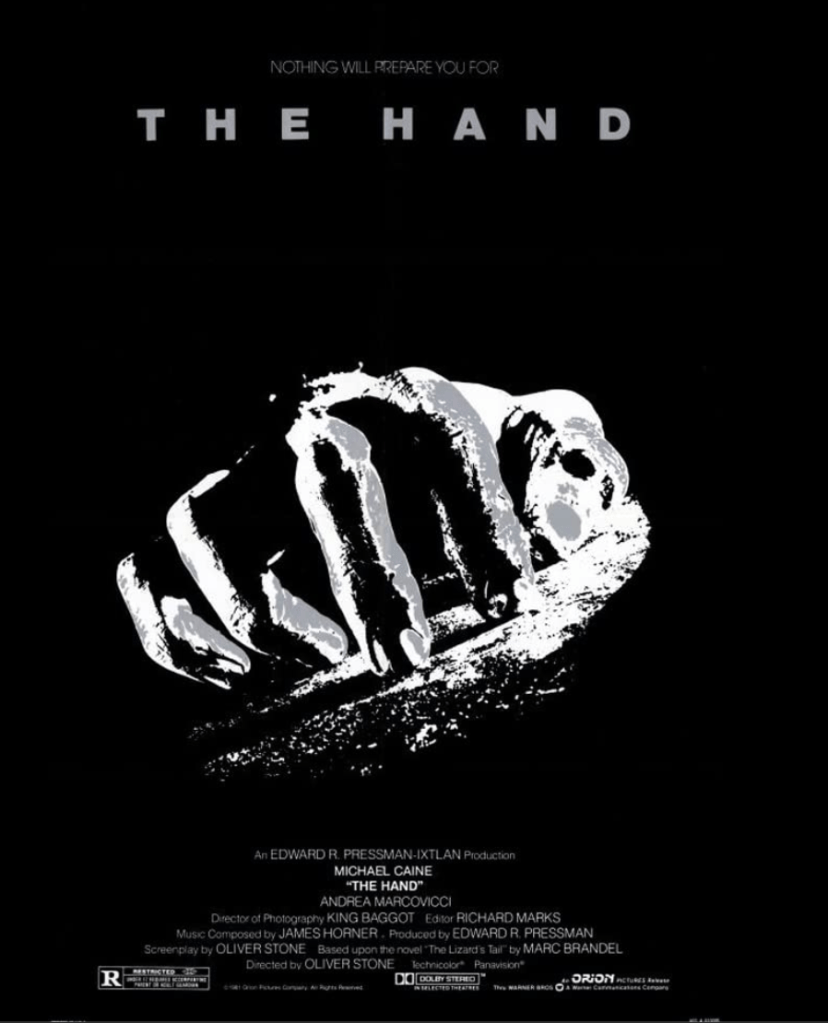
Mike: First movie was The Hand with Sir Michael Caine. I was so young. Every shadow was that effing hand scurrying in the darkness for weeks after. First book was a collection of Poe in first grade. It didn’t scare me, but it opened my eyes to a whole new world.
Meghan: Which horror novel unsettled you the most?
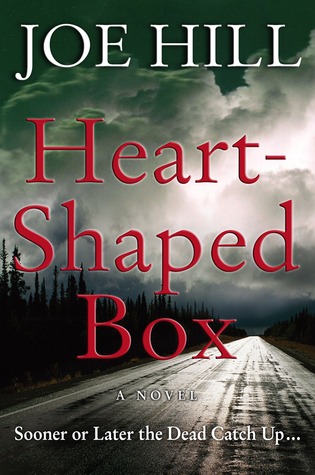
Mike: The first half of Heart Shaped Box, when it was still a ghost story. It went to crap when he over explained everything and it turned into one of his dad’s books. But that first half was amazing.
Boo-graphy: M Ennenbach. Poet. Author. Member of Cerberus. Mike has four collections of poetry, two chapbooks, a collection of shorts, a Splatter Western, the debut by Cerberus, and thirty some anthology appearances in his three years of writing. He writes a lot of horror, but depressing and absurd literature is his sweet spot. He writes on his blog on a daily basis, mostly poetry with a smattering of fiction and news. He works with Eleanor Merry at Macabre Ladies Publishing, and they have exciting things on the horizon.
(un)poetic — Unscaled highs, perilous lows; this is a journey filled with both. A free form dance in the form of poetry; tended with loving care that drips sorrow. Darkness tinged with hope, forged in the fires of life. Of the sea, of the stars, of the night air as the sun breaks on the horizon. A desperate love, in the guise of loving desperation.
(un)poetic is anything but.
No rules. Just pure expression poured on the page with shaking hands and envisioned through tear-filled eyes. This is different, this is new. Raw. This is poetry, here and now.
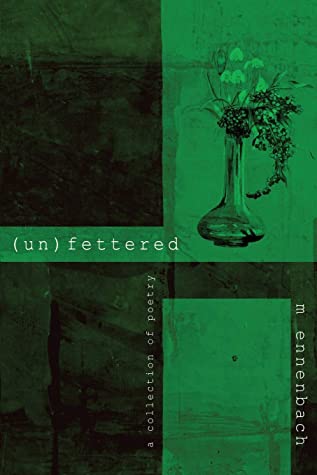
(un)fettered — to soar free of inhibition. a collection of poetry that skims the surface of fathomless emotion, leaving waves across the placid sea. m ennenbach plumbs these ripples in search of connection. sometimes the only answer is to tear down everything and examine it in its basest form. (un)fettered.
(un)requited — unwanted. unfulfilled. unworthy. in the moment you offer every bit of yourself, mind body and soul, only to find you were not enough. broken hearted and alone. (un)requited.
Meghan: Hi Edmund! Welcome to Meghan’s HAUNTED House of Books. I know you’ve been a bit under the weather, so I’m glad that you were able to take a little bit of time to sit down with us today. Let’s get started: What is your favorite part of Halloween?
Edmund: Decorating and family time. I love to put together a little impromptu party for my children and grandchildren every year. We decorate the house with scary and funny items and make soups and sandwiches. Then the kids watch scary movies. It’s such a great family time tradition.
Meghan: What is your favorite Halloween tradition?
Edmund: Trick or treating. My imagination was always on alert, and I would think of scenarios where things could happen while out on a trek. From going to haunted houses to watching the corn field for the scarecrow to come after me. In those days our TV options were limited, so a good imagination was a must.
Meghan: If Halloween is your favorite holiday (or even second favorite holiday), why?
Edmund: Probably the mystery of the time. All things are dark and dreary, and night comes on quicker. So, it only adds to the mystery. When I was a kid, me and my friends would deliberately find an old house to walk by and see who could go up and knock on the door. All the fun and costumes are great. A time of year you can be who you want and get by with it.
Meghan: What are you superstitious about?
Edmund: Very little. I do pick pennies up when I see them lying on a parking lot, although in today’s time, probably not a good idea to be honest. I live in an area where superstition abounds, and science is looked on as evil. It’s backward and rural but the perfect back drop for many of my stories. The people are nice here and never back down from a good story.
Meghan: What/who is your favorite horror monster or villain?
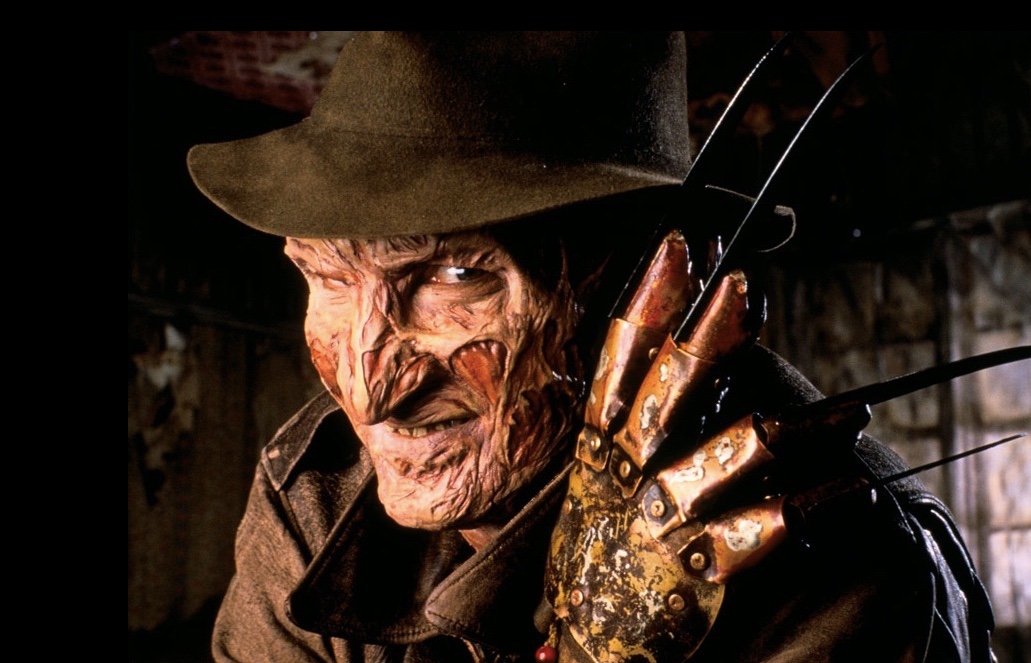
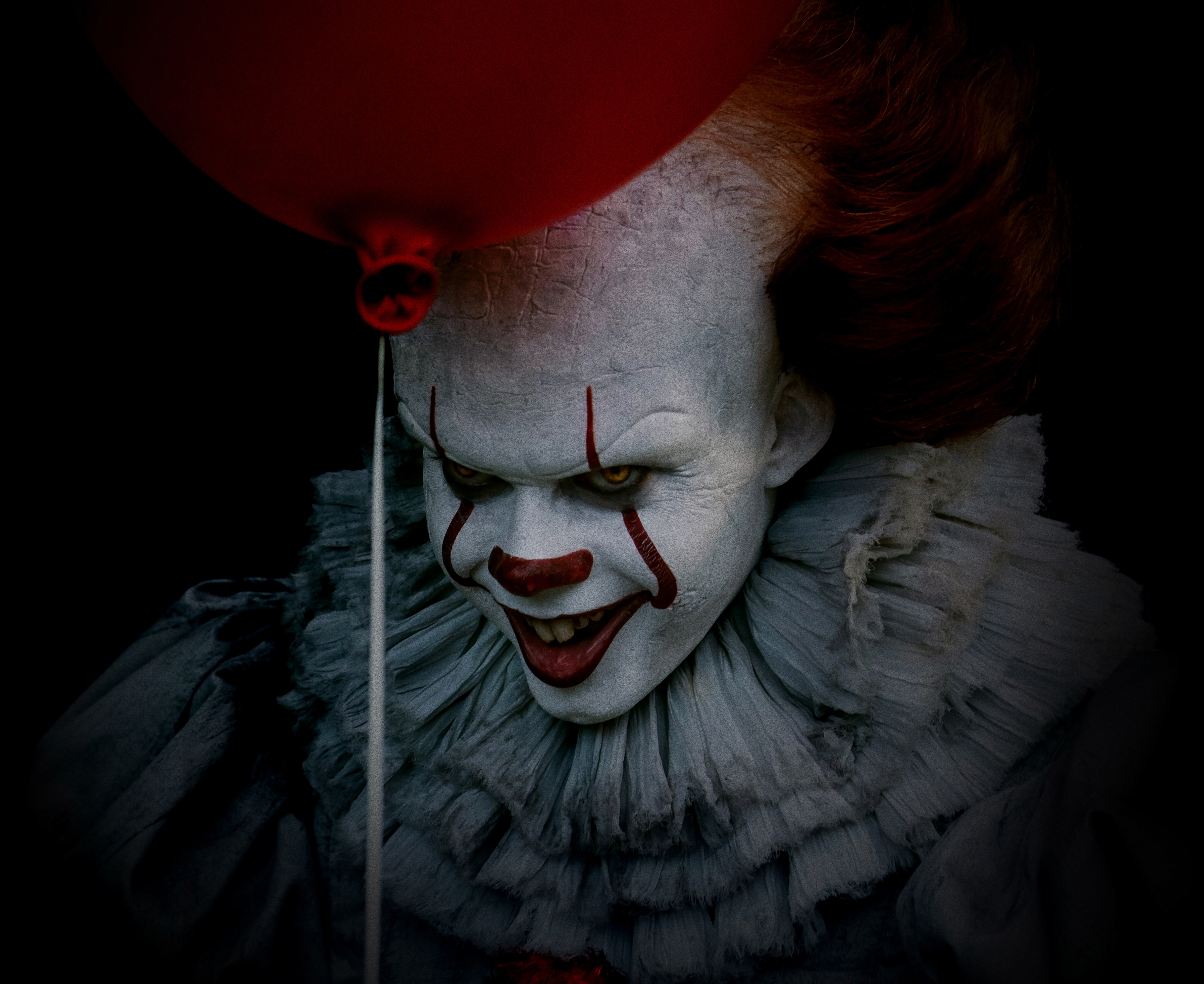
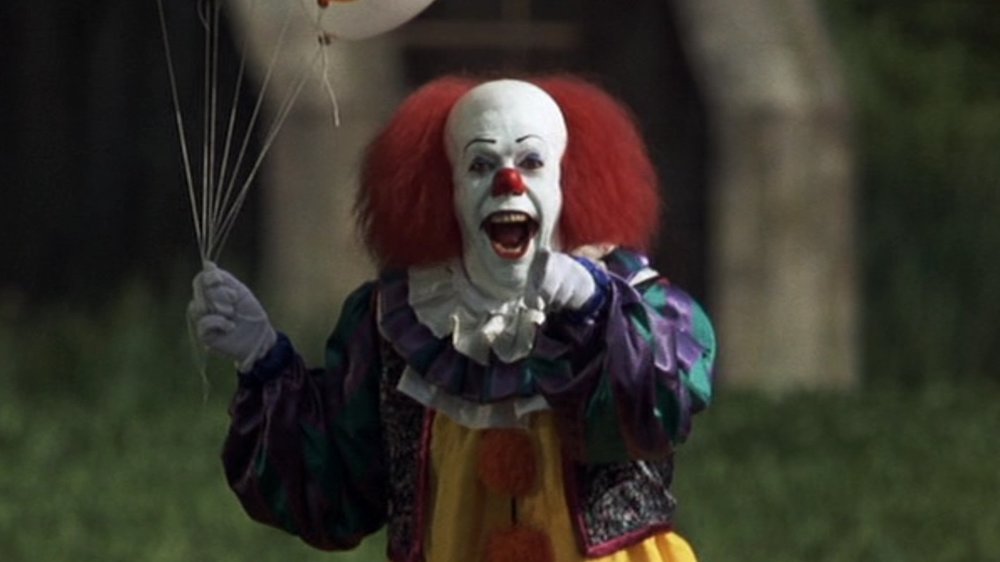
Edmund: When I was younger my favorite would have been Freddy Krueger hands down. I loved his one liners and way he could turn into different manifestations of the persons fears. In recent years the new Pennywise is my favorite. Tim Curry’s was great, but Skarsgard delivers the goods for the new generation. Great stuff.
Meghan: Which unsolved murder fascinates you the most?
Edmund: The Lindbergh baby. Although a man went to the electric chair for the crime, the evidence against him was circumstantial at best. Just bad policing all around. It’s similar to the JonBenet Ramsey case.
Meghan: Which urban legend scares you the most?
Edmund: I have two. Bloody Mary is the scariest because I’ve tried it. Of course, nothing happened, but I feel she’s waiting somewhere ready to strike. The legend of the kidneys being harvested when you wake up. That one I think has some fact behind it. Very disturbing.
Meghan: Who is your favorite serial killer and why? Aileen Wuornos. The one in the movie Monster. I thought she was kind of given to her circumstances. It makes you almost feel sorry for her. Richard Ramirez, The Night Stalker was another. His crime spree was on the news when I was a kid, so I remember it well. He would go in a house and kill the husband then rape and kill all the women. Pretty cold.
Meghan: How old were you when you saw your first horror movie? How old were you when you read your first horror book?
Edmund: I believe I was seven years old. My cousin made me stay up and watch Chiller Theater with him. The old Blob movie from the fifties was playing. Scared me to death. The first horror movie I remember watching the whole way through was The Thing. It gave me my first true love of horror films. I was hooked afterward and became an insatiable watcher. My sister remembers waking up to the sounds of screaming because I’d rented a bunch of films and spent the whole night watching. She wasn’t surprised at all when I became a horror writer.
I was late to the horror reading game. I cut my teeth on Edgar Allan Poe when I was around fifteen years old. A friend I lived next door to let me borrow his copy of the unabridged works. I read and read. It was so good. Then I moved on to the Books of Blood. Very unsettling but I couldn’t get enough of them. I read King’s Skeleton Crew. I liked it but wasn’t a big fan of King’s until I was much older. Clive Barker was the one I read the most then. It gave me inspiration to start writing short stories. Some I still have buried in notebooks.
Meghan: Which horror novel unsettled you the most?
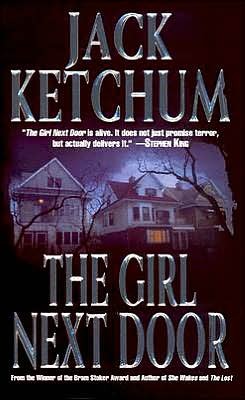
Edmund: I don’t know if it’s technically considered a horror novel, but The Road by Cormac McCarthy would be the most unsettling to me, more for the subject matter than anything. The other I’d mention would be The Girl Next Door by Jack Ketchum. The things that poor girl endured were horrible and hard to read.
Meghan: Which horror movie scarred you for life?
Edmund: They were more like documentaries, but Faces of Death gave me nightmares when I was in my teens. I watched lots of horror movies then, but after seeing those, nothing really compared. Recently, a movie that disturbed me was The Green Inferno. It’s an indie film about a group of Greenpeace kids getting caught in the Amazon with a cannibalistic tribe. Gory and strange.
Meghan: What is your favorite Halloween costume?
Edmund: Wow. I have so many. My mom was a seamstress. She could put together anything I wanted. One year I wanted to be the headless horseman. We came up with this elaborate cardboard and cloth get up with a plastic jack o lantern for the head. It was a great costume, but the head wouldn’t stay on.
Meghan: What is your favorite Halloween-themed song? Probably the one from Nightmare before Christmas. This is Halloween I think it’s called. That gets stuck in my head, and I can’t get it out. I love the Halloween theme too, so recognizable. When I was a kid, it was Monster Mash.
Meghan: What is your favorite Halloween candy or treat?
Edmund: Mary Janes. I love those chewy peanut buttery treats. My kids couldn’t figure out why I always wanted to steal them from their stash. They would give them up no problem. What is your most disappointing? Gobstoppers or jawbreakers. I never had a like for hard candies.
Meghan: Thanks for stopping by today, Edmund. Before we go, what are your Top 6 things we should take the time to watch or read at Halloween?
Edmund:
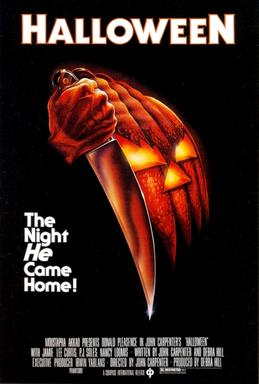
Halloween movie. I love the Halloween movies and at least watch the first one during Halloween.
Hocus Pocus. We always watched this one with the kids and now the grandkids.
Goosebumps. I read these stories to my kids when they were little around Halloween. I also told them scary stories so they would have a hard time sleeping.
Trick r Treat movie. I watched it last Halloween on a whim and it’s become a favorite of mine.
Tales from the Darkside Halloween pilot episode. It was called Trick or Treat. The one where the man ends up going to hell and the devil tells him he’s getting warmer. That creeped me out back in the day.
Boo-graphy: Edmund Stone is a writer, poet and artist who spins tales of strange worlds and horrifying encounters with the unknown. He lives in a quaint town on the Ohio River with his wife, a son, four dogs and two mischievous cats.
Tent Revival — Salt Flat, Kentucky is a sleepy town. Until a mysterious Tent shows up one day, with a charismatic preacher, inviting the people to an old-fashioned tent revival. Everyone’s mesmerized by his presence, entranced by the magic he performs.
Sy Sutton isn’t fooled by what’s going on. But as his son becomes entrenched in the craziness around him, he has no choice but to get involved. With the help of an unlikely friend, He’ll try to save his son and the town he’s fond of.
Unknown to him, something lurks below. An ancient being with an agenda. When she comes to the surface, all hell will break loose on the night of the Tent Revival.
Meghan: Hi, Henry. Welcome to Meghan’s House of Books and thank you again for agreeing to take part in this year’s Halloween Extravaganza. What is your favorite part of Halloween?
Henry: As a kid, my favorite part of Halloween was the candy, of course. Now, it is the costumes. Any excuse for a party is a good excuse.
Meghan: What is your favorite Halloween tradition?
Henry: Seeing groups of kids happily wandering through the neighborhoods, their pillowcases bulging with sugary loot.
Meghan: If Halloween is your favorite holiday (or even second favorite holiday), why?
Henry: Free candy and costumes! What’s not to like? It gives us all an excuse to slip into an alter ego.
Meghan: What are you superstitious about?
Henry: Nothing.
Meghan: What/who is your favorite horror monster or villain?
Henry: Dracula. Think of how terrifyingly unstoppable a vampire would be with its powers and wisdom from existing for centuries.
Meghan: Which unsolved murder fascinates you the most?
Henry: The murders committed in 1888 London by Jack the Ripper. Who was he? Why did he do it?
Meghan: Which urban legend scares you the most?
Henry: The Licked Hand – a scared girl hears an ominous dripping coming from within her home. She is reassured by her faithful dog, who licks her hand from under the bed. Eventually, she investigates the noise only to find her dog slaughtered and a message written in blood – “humans can lick hands too”.
Meghan: Who is your favorite serial killer and why?
Henry: Hannibal Lecter because he is so intelligent, depraved, creepy, and sophisticated. If he sets his eyes on you, you are toast… with some fava beans and a nice bottle of Chianti.
Meghan: How old were you when you saw your first horror movie? How old were you when you read your first horror book?
Henry: I think my first horror movie was Jaws. I did not want to go swimming for quite some time after that. I unexpectedly slipped into reading horror when I discovered how good a writer Stephen King is with Different Seasons, which was comprised of four novellas, more dramatic than horrific. So, after that, my first horror book was Salem’s Lot. Vampires, yeah. Scary.
Meghan: Which horror novel unsettled you the most?
Henry: I was less scared by Cujo, Christine, or Carrie than I was It. An alien clown. Why did it have to be an alien clown? Preying on kids. Want a balloon, little boy?
Meghan: Which horror movie scarred you for life?
Henry: There’s a scene in An American Werewolf in London when the two friends are out walking in the fields at night, scared by wolf howling. One slips and falls and they have a good laugh. Right in the middle of that comic moment, the werewolf slams into one of them. Scary!
Meghan: What is your favorite Halloween costume?
Henry: Being a fantasy fan and San Diego Comic-Con attendee, I’ve seen some amazing costumes. Inside jokes, like the cabbage merchant from Avatar: The Last Airbender crack me up. I also like authentic “recreations”, like a group of eight women dressed as Adapta Sororitas (Sisters of Battle) from Warhammer 40K. I love mashups, like a little girl in a pastel-colored Predator costume and tutu, or a mashup of Boba Fett and the giant chicken Ernie from Family Guy.
Meghan: What is your favorite Halloween-themed song?
Meghan: What is your favorite Halloween candy or treat? What is your most disappointing?
Henry: The 100 Grand candy bar from Ferrero is the king of Halloween candy. Fight me. Chocolate, caramel, and krispies, undiluted by gratuitous peanut butter, coconut, or whole nuts. The three most disappointing candies of my youth were candy corn (all the candy corn ever made was made in 1911), elephant “peanuts” (stale marshmallow formed into large peanut shapes, flavored with a hint of self-loathing), and Necco wafers (sad pastel-colored discs of brittle chalk).
Meghan: Before we go, what are some of your top Halloween movies and books?
I Am Smoke — Smoke speaks in mesmerizing riddles: “I lack a mouth, but I can speak…. I lack hands, but I can push out unwanted guests…. I’m gentler than a feather, but I can cause harm….”This rhythmically powerful narration is complemented by illustrations in which swirling smoke was captured on art paper held over smoky candle flames, and the dancing smoke textures were then deepened and elaborated with watercolors and Photoshop finishes. With this unique method, Mercè López “let the smoke decide how the idea I had in mind would dance with it, giving freedom to the images.” The resulting illustrations are astounding, and they resonate with the otherworldly text.
Monster Goose Nursery Rhymes — Enter an enchanted land of mythical creatures where manticores reign and ogres roar-a land of mystery and fright. A unique twist on traditional rhymes of everyone’s youth, “Monster Goose Nursery Rhymes” presents a more sinister approach to these childhood classics, and yet the sing-song nature of the poems renders them playful and jovial at the same time. Little Witch Muffet is not frightened by a silly, little spider; she simply adds him to her stew!
Rotten zombies, giants, dwarves, and goblins mingle with werewolves, centaurs, and fauns. Follow along the skeleton stepping stones, scale up a palisade, claw at the window of a tasty child and bake him into a pumpkin shell. Monsters cook up delicious elvish pie, too! Every kid who has an eensy weensy bit of sense wants a pet with feathers white as snow, who flies like an eagle and bleats like a goat-a hippogriff, of course!
Six forest sprites with four times as many pixies escape from a loaf of bread atop the elaborate table of the fey queen; her feast has flown away! If you enjoy mischief and have a penchant for the morbidly hilarious, the Herzs’ rhymes will satisfy your mythological curiosities.
Larson’s illustrations give new life to these ancient figures, and her artistic style employs the bold lines and colorful movement of an action-packed comic book. The author also includes a “bestiary” with information about the book’s legendary creatures, which hail from Scotland, Germany, Italy, Persia, Haiti, and Scandinavia.
When Stephen and I discussed what he wanted to do in this year’s Halloween Extravaganza, he told me that he was impressed with an interview I had done of a fellow author, a serious one. How can I deny someone who is impressed by one of my interviews, right? After some back and forth, and my suggestion of doing both, he agreed. So here, first, is the serious interview. Ladies and gentlemen, Stephen Volk.
Meghan: Hey, Stephen. Welcome to Meghan’s House of Books. Tell us a little bit about yourself.
Stephen: My name is Stephen Volk. In spite of a name that sounds German, I’m Welsh. I’m a BAFTA winning screenwriter best known for writing the so-called “Halloween hoax” Ghostwatch which was transmitted by the BBC on Halloween night 1992. Astonished that thirty years later people still talk about it! I’ve also been creator and lead writer of two TV shows (Afterlife and Midwinter of the Spirit), have written lots of other screenplays and television scripts, as well as dozens of short stories and novellas, and a few stage plays. Mostly, but not all, in the horror genre.
Meghan: What are five things most people don’t know about you?
Stephen: I have a cat named Asbo. I was once at a party with Jack Nicholson. I grew up in the same town as Tom Jones. My house was built in 1692. I hate jazz.
Meghan: What is the first book you remember reading?
Stephen: A large illustrated book of The Pied Piper, when I was about four. I don’t remember if it was the poem or just the basic tale. The illustrations were magnificently terrifying, complementing the innate horror of the story. Its impact sank deep. I later wrote a story related to The Pied Piper, called “Best in the Business”. I’d also one day like to tell it in a film, set post-US Civil War, in the style of Clint Eastwood’s High Plains Drifter.
Meghan: What’s a book you really enjoyed that others wouldn’t expect you to have liked?
Stephen: The Pull of the Stars by Emma Donoghue. It’s a novel about nurses working during the flu epidemic in Dublin in 1918. It has no genre element whatsoever, but I will read anything by the author of the brilliant Room. She is such a great writer.
Meghan: What made you decide you want to write? When did you begin writing?
Stephen: I started drawing before I started writing. My granddad, who ran a pub, used to give me shiny squares of paper and I would hide under the table and draw on them – continuous images, as if each square was a comic book panel. I think I started writing proper in my early teens. My cousin and I were both mad keen on books and films, so for our fifteenth birthdays our mutual grandmother bought us each a typewriter. It was the best birthday present I’ve ever had. It was like receiving a travel ticket to anywhere you can imagine.
Meghan: Do you have a special place you like to write?
Stephen: I write at home, in my study, at my desk – smallest room in my house. I didn’t get a lap top until recently so if I wasn’t there, I wouldn’t be working (unless I took a notebook with me). It’s not a monk’s cell exactly, but most of my stuff is produced in that room, with a window over the garden and the cat whining in the background.
Meghan: Do you have any quirks or processes that you go through when you write?
Stephen: No, I have no superstitions. I know all the smart advice about getting started: get writing as soon as your ass hits the chair, etc. I can give them, but I rarely obey them. As far as process goes, I have to know roughly what I’m going to do before I start. Ramsey Campbell says, always start knowing the sentence you will write. That’s pretty good advice. In general, I plan a lot. Obviously in screenplays it’s a requirement, but even in short stories, for me, there will be several pages of scribbles figuring out whether the thing is worth doing, and sometimes that goes in a drawer till it is. I don’t know if it’s a quirk, but I love the feeling of typing THE END or FADE OUT. That moment is what you live for – the story exists! But always, about half an hour later or even ten seconds later you wonder if it’s complete shit.
Meghan: Is there anything about writing you find most challenging?
Stephen: Yes, most of writing is challenging! I would definitely say getting notes, be it from an editor, script editor or producer. You can’t reject them all and usually you can’t address them all, so there is a give and take. Negotiating that in order to make this nebulous thing called “the story” better is really complex and only comes from experience. I still find it enormously difficult, but everything needs work, and you are a fool if you don’t listen to feedback.
Meghan: What’s the most satisfying thing you’ve written so far?
Stephen: I’m not ducking the question, but it’s literally the last thing I finished. Both generally and specifically. I think you almost have to feel that. Yesterday I finished a kind of monster story/mythic fantasy short story that has been bugging me for ages – possibly all my life. I had ideas but I didn’t know what to do with them. Only by getting them on paper did I arrive at what I wanted to say, or rather, what I wanted to explore. And the story did that. The story throws back at you what it needs to be. I’m really glad that happened, so I’m on a little bit of a high that I pulled it off.
Meghan: What books have most inspired you? Who are some authors that have inspired your writing style?
Stephen: Oh, too many to mention! Sometimes it is very clear. My recent book Under a Raven’s Wing, in which a young Sherlock Holmes is educated in his art by Poe’s master detective C. Auguste Dupin, is very obviously inspired by my love of Poe and Conan Doyle. It might sound funny, but sometimes I get the voice of a story by imagining it written by someone else – when I wrote my story “Sicko” I wondered how Joyce Carol Oates would write it. For “White Butterflies” it was Cormac McCarthy. “The Airport Gorilla” needed to be a bit more loose and poetic, so I channelled the wordplay of Dylan Thomas a little bit. Another story came alive when I thought of it being told by Alan Bennett. Sometimes you unlock how to do it that way.
Meghan: What do you think makes a good story?
Stephen: Honesty. Telling it from the heart. Making opposites clash, or making the story the opposite of what it seems: I often say my “horror” stories are about love. Nail the theme – what it is about underneath – but don’t be dictatorial. Let the reader fill in the gaps. The wonderful director Billy Wilder said if you give the audience two plus two and they make five, they will love you forever.
Meghan: What does it take for you to love a character? How do you utilize that when creating your characters?
Stephen: Truthfulness. I hate the boring Hollywood note that a character isn’t “likeable”. It usually means they don’t feel real. And the whole process of making them lovable makes them more boring. Make them interesting in the way real people you know are interesting and complex and compelling and unknowable and contradictory. Mine your own life for detail and authenticity. Observe. Be curious. Above all, give them a flaw. The flaw, the wound is everything. The wound is where the light gets in.
Meghan: Which, of all your characters, do you think is the most like you?
Stephen: Dr Robert Bridge, possibly, the psychology lecturer character played by Andrew Lincoln in my TV series Afterlife. He is a rational man and thinks logically, it is his job to think things out, put them in their place (like a writer) but he is faced with a person – Alison Mundy, a spirit medium who is entirely instinct – and he fears that, fears letting himself go to emotional upheaval.
Meghan: Are you turned off by a bad cover? To what degree were you involved in creating your book covers?
Stephen: Oh, listen, I trained as a graphic designer before I became an advertising copywriter. I am a design junkie. I love book design, illustration, typography, just as much as what is inside the covers, and it literally makes me squirm when I have to buy a book with a terrible cover because I love the author. I almost will not do it. I’d rather buy a book with a terrific cover that I never read. It’s not my place to be involved in designing book covers for my own books – though I feel I could, at a push, but they wouldn’t be really excellent. One of the reasons I love doing the meticulous small-run books that PS Publishing create is that I know Pedro Marques will design mine, and he is an absolute genius. Opening the box when I receive then is always mind- blowingly thrilling.
Meghan: What have you learned throughout the process of creating your books?
Stephen: After working for thirty years writing for film and TV, that I have learned a few things about storytelling. Most of all, that I like to be in the position, now, where I get input, but at the end of the day, what I say goes. The book is mine and nobody else’s, for good or ill. I’m tired of taking the flak for other people’s mistakes in my career.
Meghan: What has been the hardest scene for you to write so far?
Stephen: I don’t find scenes that are emotional or that cut deep difficult, even death scenes – death scenes are very gratifying, actually, because you get to be with someone dying but nobody actually dies – you can rehearse it, over and over, in the way that horror is perhaps rehearsing death over and over in a way, or what it feels to be hurt, or to lose your identity. All these things aren’t hard – they are exciting. You just have to be honest with yourself and go there till you get it. The hard scenes are where you get stupid notes to address and you can’t solve the problem, or something isn’t working – those are the killer. And sometimes later on you go: “Oh course, that’s how you do it – what’s the problem?” But at the time you felt like killing yourself or handing the money back. “Here! Take it! I’m not a writer anymore! Leave me alone!”
Meghan: What makes your books different from others out there in this genre?
Stephen: Speaking for books and scripts and plays all together? I have no idea. Maybe they’re not in “the genre” in terms of mainstream at all. PS is a very select and exclusive edition type publisher and I’m fine with that. They don’t turn around and ask for a shark on the cover, or a bleeding skull. If I started to wonder where I sat in the genre I think I’d go mad. I have tried to figure out what the genre means to me over many years. I wrote think pieces in Andy Cox’s Black Static magazine which were compiled in Coffinmaker’s Blues: Collected Writings on Terror. So that’s the nearest you’ll get to me analysing myself or my writing.
Meghan: How important is the book title, how hard is it to choose the best one, and how did you choose yours (of course, with no spoilers)?
Stephen: There’s sometimes a clever story about a title and sometimes there isn’t. It often just pops out of the air – as Under a Raven’s Wing did, the idea of mentoring and Poe in one neat phrase. I tried it out on my wife and she said: “Yeah. Obvious.” (Ha! I wish “obvious” ideas came that easily more often!) Many times, with me, the title of a story comes at the early stages – it is sort of part of the overall package of the idea that is what turns me on. That’s why when someone wants to change the title (as they always do, in films, without fail) my heart plummets. I wrote a screenplay called The Interpretation of Ghosts (which I loved) but they changed it to The Awakening. Don’t ask me why!
Meghan: What makes you feel more fulfilled: Writing a novel or writing a short story?
Stephen: I have only written a novel or two (the Gothic film novelisation of Netherwood; and a couple of unpublished ones), but I will answer in terms of writing a short piece as opposed to a big piece such as a film screenplay. Basically, I think a short story has immediate gratification – you can write it in weeks, if not days, sometimes, and there it is: done. A screenplay or novel will takes months at best and sometimes several years. So the two are very different beasts to handle in terms of control, focus and stamina. Your love for a novel or screenplay will have peaks and troughs, depending on collaborators. With a short story you may have no collaborators at all. You are left to your own instinct and skill, and that can be a huge liberatio. At the moment I am into short stories and novellas, but that might be a passing preference, depending what comes up next as the pandemic lifts.
Meghan: Tell us a little bit about your books, your target audience, and what you would like readers to take away from your stories.
Stephen: I’ll shift a little and talk about my next short story collection, coming out in March 2022 from PS Publishing, which will be called Lies of Tenderness. What I’d like readers to get from this wide range of tales in many different settings is that we are all given choices between empathy and selfishness at various points in our lives, and how we react to that situation and those pressures is what forms us. I’ve spelled it out in a way I would never want to, really. But that’s what I want “horror stories” to achieve – to take you to a place you think one thing will happen, and it’s actually another. You were perhaps expecting a sharp shock like the genre habitually delivers, and it’s not. It’s something else.
Meghan: Can you tell us about some of the deleted scenes/stuff that got left out of your work?
Stephen: Again thinking of Lies of Tenderness, I left out one story – which was actually fully on-theme – but was a period piece that didn’t fit the flow of the book. I’m sure it will find its way into a future book, though. In the latest story I’ve written, three characters enter the story halfway through, they rapidly get killed, and I just cut those four pages out – it made a huge difference. I always say crossing out is just as important as word count!
Meghan: What is in your “trunk”?
Stephen: I have several things are are half-baked because they are not ready – it is best to put them aside and come back to them when the penny has dropped. Of course sometimes the penny never drops! But that is part of the game. I have numerous film projects that have never comes to fruition which makes me sad, because some of them are far more interesting than movies I have had produced. For one we had Michael Caine, Danny DeVito, and Kristin Scott Thomas all signed up, but still couldn’t get the finance. It’s quite baffling. Which is why you have to get the pleasure from the actual writing, if you can. I also have a massive novel written in archaic language which nobody will touch. I don’t know about bottom drawers, I think I have a whole warehouse full of these things!
Meghan: What can we expect from you in the future?
Stephen: Lies of Tenderness will be out n March 2022. I have a couple of TV series in development, and a couple of feature films with producers. Very excited about all of them, but I really can’t give specific details as the business is fickle at the best of times and what seems like a slam-dunk can turn into a dead duck. As ever I will split between screen work and books. I actually want a stretch of clear blue water in front of me to see what will happen.
Meghan: Do you have any closing words for your fans or anything you’d like to say?
Stephen: Thank you for reading this far and thank you for reading or watching my work. By the way, if you read something (or watch something), try to reach out and let the writer know about it. Don’t imagine they will be too busy to hear some words of praise. Some people might be, but most of us all have dark nights of the soul and your words could mean a lot to that person at that point. It is a tough old business, writing for a living, and in some cases, those moments of contact and support are all that keeps us going! Thank you!
In 1870s Paris, long before meeting his Dr Watson, the young man who will one day become the world’s greatest detective finds himself plunged into a mystery that will change his life forever.
A brilliant man—C. Auguste Dupin—steps from the shadows. Destined to become his mentor. Soon to introduce him to a world of ghastly crime and seemingly inexplicable horrors.
The spectral tormentor that is being called, in hushed tones, The Phantom of the Opera . . . The sinister old man who visits corpses in the Paris morgue . . . An incarcerated lunatic who insists she is visited by creatures from the Moon . . . A hunchback discovered in the bell tower of Notre Dame . . . And—perhaps most shocking of all—the awful secret Dupin himself hides from the world. Tales of Mystery, Imagination, and Terror
Investigated in the company of the darkest master of all.
The Dark Master’s Trilogy — Whitstable – 1971. Peter Cushing, grief-stricken over the loss of his wife and soul-mate, is walking along a beach near his home. A little boy approaches him, taking him to be the famous vampire-hunter Van Helsing from the Hammer films, begs for his expert help…
Leytonstone – 1906. Young Alfred Hitchcock is taken by his father to visit the local police station. There he suddenly finds himself, inexplicably, locked up for a crime he knows nothing about – the catalyst for a series of events that will scar, and create, the world’s leading Master of Terror…
Netherwood – 1947. Best-selling black magic novelist Dennis Wheatley finds himself summoned mysteriously to the aid of Aleister Crowley – mystic, reprobate, The Great Beast 666, and dubbed by the press ‘The Wickedest Man in the World’ – to help combat a force of genuine evil…
The Little Gift — The nocturnal scampering invariably signals death. I try to shut it out. The cat might be chasing a scrap of paper or a ball of silver foil across the bare floorboards downstairs, say a discarded chocolate wrapper courtesy of my wife, who likes providing it with impromptu playthings. I tell myself it isn’t necessarily toying with something living, but my stomach tightens.
The Parts We Play — An illusionist preparing his latest, most audacious trick… A movie fan hiding from a totalitarian regime… A pop singer created with the perfect ingredients for stardom… A folklorist determined to catch a supernatural entity on tape… A dead child appearing to her mother in the middle of a supermarket aisle… A man who breaks the ultimate taboo—but does that make him a monster?
In this rich and varied collection of Stephen Volk’s best fiction to date, characters seek to be the people they need to be, jostled by hope, fears, responsibility, fate, and their own inner demons—and desires. These tales of the lies and lives we live and the pasts we can’t forget include the British Fantasy Award-winning novella, Newspaper Heart.
Meghan: Hi, Edmund. Thanks for coming here today. Tell us a little bit about yourself.
Edmund Stone: My name is Edmund Stone and I’m a Horror writer, artist, poet but not necessarily in that order. I love all things out of the ordinary and take inspiration from odd occurrences and people. I’m constantly seeking out characters who I think would fit well in my books. You can find strange individuals everywhere you look but the state I live in, Kentucky, has an abundance of them. My current WIP novel has many of those same people and I feel readers will enjoy reading about them when the time is right.
Meghan: What are five things most people don’t know about you?
Edmund Stone: I work as an Occupational Therapy Assistant during the day and I’m a grandpa x3; we start young here. I’m an amateur artist and I drew my own book cover for my ebook. I have other concepts ready for future books I may use or let a graphic artist fix up. By drawing out my characters it gives me a way to see them in a physical form before writing them, making for a richer, more rounded character. I would love to develop my skills as a graphic artist further. I play guitar and have for years. It helps me to relax and get my mind open for writing.
Meghan: What is the first book you remember reading?
Edmund Stone: I read lots of comics before I started reading short stories and novels. The first horror I remember reading was Clive Barker’s Books of Blood (I have the whole collection) and the Unabridged Works of Edgar Allan Poe. I spent lots of time and nightmares on that one!
Meghan: What are you reading now?
Edmund Stone: In the last few years I’ve been concentrating on the master. I’ve read several King books, in audio and paperback/ebook format. I read his On Writing book when I first decided to become a writer and I love his mind set and passion for writing. I had read his short stories in the past and watched all the movies. He’s an inspiration to me, as he is to other writers. If you want to be a writer, it’s best to emulate the best. I’m in the middle of Justin Cronin’s The Passage and I’m reading Cujo. I just read In the Tall Grass by King and Joe Hill, craziest thing I’ve read in awhile! I also read Indie writers on my Kindle. I recently read Trespass by Chris Miller. He’s really good and you would owe yourself a favor to check him out.
Meghan: What’s a book you really enjoyed that others wouldn’t expect you to have liked?
Edmund Stone: I would think Ender’s Game by Orson Scott Card or maybe Yancey’s The Fifth Wave. I love Sci-fi, especially the kind that has a horror element to it. The Fifth Wave probably has more of it than the first but either novel is worth reading. I’ve read romance as well. Some stories by Nicholas Sparks and the Indie author Michelle Dalton. I helped her beta read her Epona novel via my writer’s group, The Write Practice. She’s a good author in the romance genre.
Meghan: What made you decide you want to write? When did you begin writing?
Edmund Stone: I began to write when I was ten years old. I also began to draw. I loved both but wasn’t sure which one I would concentrate on the most. I’ve written poetry for the last Thirty-five years. I wooed many a fair maiden with it back in the day and caught my wife in the snare of my poetry web (we’ve been together for 28 years). I only started writing short stories and novels since 2016. I’ve always wanted to expand my writing endeavors but never thought I could. It takes lots of reading and practice, practice, practice. But I can’t think of a more enjoyable way to spend my time!
Meghan: Do you have a special place you like to write?
Edmund Stone: I have an office converted from my daughters old bedroom that I do most of my work in. It helps to get away from everything in the house for awhile. I have my computer there, as well as an artist’s easel and my guitar. Sometimes I go from one to the other but art has many expressions and as long as I’m working on something, I feel productive.
Meghan: Do you have any quirks or processes that you go through when you write?
Edmund Stone: I drink a cup or two of coffee to get myself ready to write my novels and short stories. I drink a glass of wine or beer to write poetry and Drabbles. My mind has a way of wandering if I drink too much, so I try to take it slow. I have a wooden sculpture I call my muse, looking over me as I write. I always talked about my muse but never had a tangible object to call such. She showed up one day in a box of items and she’s been on my desk ever since. I’m a terrible procrastinator and will do the dishes, mow the yard, or whatever needs to be done to get out of writing sometimes. Sometimes the words just aren’t coming so I work to get them there.
Meghan: Is there anything about writing you find most challenging?
Edmund Stone: Yes, finding the time to balance writing with family time and keeping up with the day job and all the responsibilities of being a husband. It’s not easy making it all work but as any author would probably tell you, the challenge is what makes you better. You put forth your best work when you’re under stress. I feel when deadlines and my time are pulling me in all directions, I come up with some inspiration to keep going. I love to write and create. It makes me the author I want to be.
Meghan: What’s the most satisfying thing you’ve written so far?
Edmund Stone: Probably the Tent Revival series and the Rebecca mythos. I have a novel in the works called Tent Revival that I hope to release soon. It started as as synopsis of my hometown but has turned into a whole universe of characters. It has even spawned a sci-fi horror novella that takes the reader to another planet. I’m also very satisfied with my first self-published book, Hush my Little Baby. It’s a collection of short stories and poems. I’ve had a bunch of people wanting a copy. It was a challenge but fun too, to do that. I will continue to pursue the traditional publishing route but may have some more self-pubbed titles down the road unless I sign a contract and can no longer do so.
Meghan: What books have most inspired you?
Edmund Stone: If I were to pick one, I would say the works of Poe. I cut my horror teeth on his stuff. The Tell-Tale Heart is still one of my favorite horror stories.
Meghan: Who are some authors that have inspired your writing style?
Edmund Stone: Stephen King, Clive Barker, even some Dean Koontz, but not as much as the first two. I try to read as many other authors as I can for better reference. I’ve read the classic authors such as Stoker, Lovecraft, Matheson. They all inspired the modern authors of horror so I’m keeping in good company.
Meghan: What do you think makes a good story?
Edmund Stone: Great characters and natural dialogue. A story that keeps the action going; a real page turner. I like there to be some humor to lighten things up occasionally. King is good at that.
Meghan: What does it take for you to love a character? How do you utilize that when creating your characters?
Edmund Stone: I love all my characters, especially the ones in my novels, probably because I spend so much time with them. I like to get in their heads and think like they do. Most of the time they’re trying to get away from something or causing something to happen; horrible things.
Meghan: Which, of all your characters, do you think is the most like you?
Edmund Stone: Probably Sy Sutton in Tent Revival. He’s and older empty nester kind of guy who’s son has gone into a coma and he can’t figure out why. He has a feeling something he did in his past is responsible. So, he kidnaps his boy from the hospital to try and help him, because he feels guilty and thinks the doctors and nurses are unable to heal him. Although, unbeknownst to him, an evil is brewing from somewhere within the town they live in and his son and several others are taken in by it. I feel his desperation as a father and know I would do the same for my kids if needed.
Meghan: Are you turned off by a bad cover? To what degree were you involved in creating your book covers?
Edmund Stone: I am. I think the cover should grab your attention. If it sucks I think readers won’t take a chance on it. I’ve bought books based on the cover. Sometimes it pays off and other times it doesn’t but it’s the first impression when a reader buys a book, so it should be good. I spent a lot of time on mine. The ebook version anyway. Not so much on the paperback. I ended up liking it the best though. It was simple. A black background with eerie letters. I thought they both turned out great but I’m partial to the paperback. I’m an amateur artist and drew many concepts, one of which is in the book. The ebook cover is also featured within the paperback. I drew a collage of characters found in the stories within the book to give credence to them. I think it turned out well. I spent countless hours drawing and redrawing concepts I thought would go on the cover. It was a lot of work but well worth it. They turned out well when put on the printed page.
Meghan: What have you learned creating your books?
Edmund Stone: How hard and how easy it is. Getting the Amazon account and setting up all the details was pretty easy. The hard part was formatting. I use Scrivener, so it takes out a lot of the guesswork and compiles things in easy to use formats. I liked that. I didn’t put page numbers or chapter references in my book. I did place the stories in order as they appear in the book. If I do it again, I’ll pay more attention to those details.
Meghan: What has been the hardest scene for you to write so far?
Edmund Stone: Probably love scenes. I write them well but feel I want to go to the dark side rather quickly. I think my characters take me there. I write them the way they want to be written and it can consume me. I feel like I may be going too far sometimes but then think I want my writing to be genuine. Sometimes it’s better to let the muse win. Actually, I think it’s always better to let her win.
Meghan: What makes your books different from others out there in this genre?
Edmund Stone: I don’t know. Maybe the intimacy of my characters. I try to make them front and center, as I think a story should have strong characters, or at least someone you feel for, or are rooting for. The only problem is, my stories usually don’t have happy endings. I will probably try to emulate King quite a bit, or attempt to while writing, but no one author has the same style. I’ve noticed my style is developing more every day. I started by trying to write like my favorite authors but feel I’m becoming more comfortable in my own skin.
Meghan: How important is the book title, how hard is it to choose the best one, and how did you choose yours (of course, with no spoilers)?
Edmund Stone: Mine wrote itself. It’s named for the first story in the book, coincidentally the first short story I ever had accepted for publication. Really, no coincidence at all. ‘Hush my Little Baby’ meant something to me. It’s all about a girl out on her own, trying to make it after a relationship gone bad. My daughter was going through a similar situation and it gave me inspiration to write it. She still won’t read it, as it scares her too much.
Meghan: What makes you feel more fulfilled: Writing a novel or writing a short story?
Edmund Stone: I love both but the novel has to be the most fulfilling. When I finished the rough draft to my first novel, I thought I’d died and gone to Heaven. It was such a difficult thing to get it down, and even though it needs a bunch of work, I can still say I did it. Short stories are my go between. My distraction from the edits needed to finish my novel. I have a novella closer to being ready than my novel and it was satisfying to get it completed as well. But until the novel is ready, I’ll always feel as though there is a hole in my life. Rewrites and revisions are coming soon. It will probably take me into the beginning of next year before it’s ready to send out to publishers.
Meghan: Tell us a little bit about your books, your target audience, and what you would like readers to take away from your stories.
Edmund Stone: My target audience is usually older teens to adults. My writing is not always for everyone and it does deal with some controversial things. Of course, they also have a good dose of horror and creepiness in them as well. I want my readers to be , first and foremost, scared to turn the lights off. But I also want them to feel as though my characters could be them or someone they know.
Meghan: Can you tell us about some of the deleted scenes/stuff that got left out of your work?
Edmund Stone: I really don’t delete too much. Only if the wording sucks or something along those lines. I may put a disclaimer out there if I feel the work may be read by a younger audience, but I make no apologies for a scene that may be deemed too controversial or racy. Writing is all about expression, as any art form is. I know my readers would think me disingenuous if I were to hold back in any way. My novel has some pretty crazy stuff in it, I hope it will be well received, we’ll see.
Meghan: What is in your “trunk”?
Edmund Stone: Mine is my rough draft novel, Tent Revival and Lost Hope, my novella. I’ve also been writing Drabbles lately, which is something I didn’t think I had the discipline to do. It’s funny, it’s easier to write the long stuff than the short stuff, for me anyway. I would like to develop my artwork, especially the graphic art. I’ve dabbled with computer generated stuff but haven’t been able to nail it down. I think I need some classes.
Meghan: What can we expect from you in the future?
Edmund Stone: A novel for starters. It’s the next step in this process and the one that scares me the most. But I’m ready for the challenge. I actually have, at present, two novels in rough draft and a novella. So, it’s a matter of getting busy more than anything. Another area I’ve been interested in, is children’s literature, or maybe YA. I have a story in mind, an old draft of a novel I started but never finished called the Boldman’s Prophecy. Once I have the other projects finished, I may revisit that one. My grandchildren will be in the age range for reading YA sooner than I expect and I would love to have something out there they could get into. I’ll continue to do Drabbles and poetry as my practice and distraction between novel writing, so expect to see more of those, maybe even on my website as giveaways.
Meghan: Where can we find you?
Edmund Stone: My website is a great way to find me and get an idea of some of the things I’m doing. I’m also on Twitter, Instagram, or on Facebook. There’s a link on my webpage for my book also.
Meghan: Do you have any closing words for your fans or anything you’d like to say that we didn’t get to cover in this interview?
Edmund Stone: I’m thankful for all the people who’ve read my stories and I hope to keep you coming. Expect some bigger things coming from me in the near future. My first little collection has been an intimate undertaking and I’m quite pleased with Hush my Little Baby. I can’t wait until my next book is out and I hope to have you all along for the journey. Thank you for the support and thanks for reading.
Edmund Stone is a writer and poet of horror and fantasy living in a quaint river town in the Ohio Valley. He writes at night, spinning tales of strange worlds and horrifying encounters with the unknown. He lives with his wife, a son, four dogs and a group of mischievous cats. He also has two wonderful daughters, and three granddaughters, who he likes to tell scary stories, then send them home to their parents.













 Meghan's House of Books