Blog

Halloween Extravagana: INTERVIEW: David A. Riley

Meghan: Hi, David! Welcome to the new blog… and welcome back to the Halloween Extravaganza. It’s been awhile since we sat down together. What’s been going on since we last spoke?

David A. Riley: Not so much writing, though I have turned to it once more in the last few months. I have concentrated on publishing books by other people through Parallel Universe Publications, and spent a lot of time working on one particular project, which was a large art book for my friend Jim Pitts. The Fantastical Art of Jim Pitts, which is available as a limited-edition hardback and, more recently, as a two-volume soft cover. This was a major project for me, involving an investment in a new, more powerful computer to handle all the graphics and some rather expensive software. It was very time consuming too as each page had to be designed individually. I also branched out into publishing hardcover book collections, including Fishhead: The Darker Tales of Irvin S. Cobb, which was another labour of love, involving a lot of research and copying out a great many stories.

Meghan: Who are you outside of writing?

David A. Riley: Gardener, cook, reader, film and theatre-goer. I now have three grandchildren, which is fantastic.

Meghan: How do you feel about friends and close relatives reading your work?

David A. Riley: I love it, though I don’t go out of my way looking for favourable comments about it, as I know it’s unlikely I’ll get a completely honest appraisal – except from my wife, who is totally honest and whose judgement I know I can rely on.

Meghan: Is being a writer a gift or a curse?

David A. Riley: I don’t regard it as either, except when I am struggling with a particular story – then it’s definitely a curse, especially if I become convinced that whatever skills I might have once had have deserted me! I think that’s a not uncommon feeling, though.

Meghan: How has your environment and upbringing colored your writing?

David A. Riley: Though I don’t write specifically about this in everything I turn my hand to, there are quite a few things I have written that reflect my upbringing in Lancashire, in an industrial town. On the other hand, I have written a number of stories set in the United States, including New York, which I am assured read convincingly even though I have never visited the States. It’s good to have your roots as an influence, but a mistake to be shackled to them all the time. A writer should be able to use their imagination and what they have learned, either through travel, reading, films and TV, to branch out.

Meghan: What’s the strangest thing you have ever had to research for your books?

David A. Riley: Strange for the UK: guns, as handguns are illegal here. I did quite a bit of research into the handguns used by the Mossad, as one of my characters always used one in his role as a gangland enforcer in London. I first learned of them from a friend who had a genuine but deactivated Beretta .22.

Meghan: Which do you find the hardest to write: the beginning, the middle, or the end?

David A. Riley: The beginning. That has to grab me first of all or I find I very quickly lose the incentive to go on. I must have characters from the outset I can believe in and with whom have some empathy. If they’re just cardboard cutouts I can’t go on. They bore me. And if I’m bored, what can I expect from any potential readers?

Meghan: Do you outline? Do you start with characters or plot? Do you just sit down and start writing? What works best for you?

David A. Riley: I don’t outline. I do work from the characters to start with, and I prefer to have some sort of vague plot in mind, but I find the best ideas come while I’m writing, which sometimes veers off quite a lot from what I intended. The characters and their predicaments do have a tendency to take over, which in my view is as it should be.

Meghan: What do you do when characters don’t follow the outline/plan?

David A. Riley: Hope I can maneuver things towards a proper story in the end. That doesn’t always happen – and that story will remain on my computer, unresolved. Sometimes I can take a look at it again some time later and things suddenly start to work out. Sometimes, though, they don’t.

Meghan: What do you do to motivate yourself to sit down and write?

David A. Riley: Feel in the mood to start with. I don’t think I can force myself. That doesn’t work for me. I wish it did. I would probably write a lot more if that happened.

Meghan: Are you an avid reader?

David A. Riley: I read every day, though not as much as I would like. I used to read a lot more when I was younger. On the other hand, we have a holiday home in the country where we have only limited internet and even more limited TV where I spend a lot of time reading. I was there last week and got through three rather hefty novels. And loved them.

Meghan: What kind of books do you absolutely love to read?

David A. Riley: Novels in particular. Though I mainly write short stories, I am not as big a reader of these as I used to be. I have also found that my tastes have altered over the years and I must admit I don’t like a lot of new short stories. I now love crime fiction and historical novels, particularly writers like Ian Rankin, Michael Connelly, and Simon Scarrow. I also like crime novels that veer towards supernatural horror, like John Connolly, who is one of the best writers in horror today. I have also started to reread a lot of books I first came across many years ago, like Ray Bradbury, Agatha Christie, and Robert Bloch.

Meghan: How do you feel about movies based on books?

David A. Riley: I am particularly keen to see more movies based on books, if only because that will take us away from the obsession with remaking old movies with inferior ones. On the other hand, it is saddening to see some great books rendered into poor movies because someone thought that making major changes would improve on the original – something that rarely ever happens. A lot of film makers seem to have a poor idea of storytelling and it’s disheartening to see a great book butchered by someone who wrongly thought they knew better than the original writer.

Meghan: Have you ever killed a main character?

David A. Riley: Frequently. That’s a common fate in my short stories especially. In my novels not so much so, though I did have one main character who at the end commits suicide because that was really the only option left open to him.

Meghan: Do you enjoy making your characters suffer?

David A. Riley: Not particularly, and often I do feel sad about this – which I hope the reader feels too! If they do, I have at least made them feel some empathy towards the character in question, which means I also managed to make that character believable.

Meghan: What’s the weirdest character concept that you’ve ever come up with?

David A. Riley: A heroic but nevertheless barbaric goblin – the main character of my only fantasy novel, Goblin Mire. Mickle Gorestab is old, irascible but unflinchingly courageous – and stoutly convinced of the rightness of his cause: the reestablishment of a Goblin Empire. I really loved this character for all his faults.

Meghan: What’s the best piece of feedback you’ve ever received? What’s the worst?

David A. Riley: The best was from Otto Penzler. When interviewed about his anthology Zombies! Zombies! Zombies, he was asked “If a reader has an opportunity to read only one story from Zombies! Zombies! Zombies!, which one would you recommend?” He would recommend two: “…the stories that jump to mind are Seabrook’s “Dead Men Working in the Cane Fields” because it’s such a comprehensive introduction in the genre, and David A. Riley’s “After Nightfall” because it is, holy moley, so damned scary.”

The worst is a review of my only fantasy novel, Goblin Mire, which simply stated: “Terrible. Everything about this[sic] book is terrible. I’d write more but I’d be wasting both of ours’ time…”

Meghan: If you could steal one character from another author and make them yours, who would it be and why?

David A. Riley: John Connolly’s Charlie Parker. He is such a great character. But he would be wasted on me. I couldn’t use him anything like as well as Connolly.

Meghan: If you could write the next book in a series, which one would it be, and what would you make the book about?

David A. Riley: I am not sure. I have never been keen on retreading the same ground and have only once (after much badgering by a friend) written to sequel to any of my stories, so the idea of doing a series doesn’t necessarily appeal to me. The nearest I have come is in using the same settings, as in Grudge End, where I have set a few of my stories and also my novel The Return. It’s my English version of Arkham or Dunwich.

Meghan: If you could write a collaboration with another author, who would it be and what would you write about?

David A. Riley: I have tried a couple of times to write a collaboration with another writer, but it didn’t work out. I don’t think I would ever be tempted quite honestly.

Meghan: What can we expect from you in the future?

David A. Riley: Hard to say. I hope to get at least one more novel finished. I have several which are part written, one with about 60k words, another with 40k. I would like to get a few more science fiction stories completed. I have always felt I should have written more SF. My first love when I first started writing was SF and I actually did complete a SF novel, now lost completely. I kind of stumbled into writing horror because I found SF more difficult. Then again, I started writing about the same time that the New Wave started in the late sixties under Moorcock and New Worlds, and I didn’t really gel with all that. I was overjoyed when I had a science fiction story published some years ago in Aboriginal Science Fiction.

Meghan: Where can we find you?

David A. Riley: Parallel Universe Publications for my publishing activities and my website for my writing and everything else

Meghan: Do you have any closing words for your fans or anything you’d like to say that we didn’t get to cover in this interview or the last?

David A. Riley: The most important thing is to support writing and writers. And to try and give your favourite writers some kind of positive feedback, especially those who have never been fortunate enough to have achieved best selling status, as this is the only kind of thing to give them a boost and encourage them to write more. I am a great believer in the written word and, though there is far more fame and glory these days in TV and films, a well-written book or story still has far, far more to offer. If films and TV disappeared tomorrow, I could live with it. If books did, I couldn’t.

David A. Riley writes horror, fantasy and SF stories. In 1995, along with his wife, Linden, he edited and published a fantasy/SF magazine, Beyond. His first professionally published story was in The 11th Pan Book of Horror in 1970. This was reprinted in 2012 in The Century’s Best Horror Fiction edited by John Pelan for Cemetery Dance. He has had numerous stories published by Doubleday, DAW, Corgi, Sphere, Roc, Playboy Paperbacks, Robinsons, etc., and in magazines such as Aboriginal Science Fiction, Dark Discoveries, Fear, Fantasy Tales. His first collection of stories (4 long stories and a novelette) was published by Hazardous Press in 2012, His Own Mad Demons. A Lovecraftian novel, The Return, was published by Blood Bound Books in the States in 2013. A second collection of his stories, all of which were professionally published prior to 2000, The Lurkers in the Abyss & Other Tales of Terror, was launched at the World Fantasy Convention in 2013. His fantasy novel, Goblin Mire, was published by Parallel Universe Publications in 2015. Their Cramped Dark World is his third collection of short stories. With his wife, Linden, he runs a small press called Parallel Universe Publications, which has so far published ten books. His stories have been translated into Italian, German, Spanish and Russian.

The Return

It was never going to be easy to return for one last look at the streets where he spent his childhood years. Even knowing this, Gary still felt he had to make the effort, just this once, to see if they were really as bad as he remembered. In a few months demolition was due to start on Grudge End… When Gary Morgan travels north to lie low after a gangland shooting in London, a childhood friend is violently maimed within hours of his arrival. Decades after escaping the blight of his hometown, he finds himself ensnared in a place he hates more than any other.Feuding families, bloodthirsty syndicates, and hostile forces older than mankind all play a role in the escalating chaos surrounding Gary Morgan. Now he must unravel the mysteries of Grudge End and his own past or meet his doom in the grip of an ancient, unimaginable evil.

Moloch’s Children

Elm Tree House had a sinister history but few realised the true demonic power that lurked within its forbidding depths till it was taken over by a cult determined to make use of its horrendous secret.

Goblin Mire

Many years have passed since Elves defeated and killed the last Goblin king. Now the Goblins are growing stronger in their mire, and Mickle Gorestab, one of the few remaining veterans of that war, is determined they will fight once more, this time aided by a renegade Elf who has delved into forbidden sorcery and hates his kind even more than his Goblin allies. Murder, treachery and the darkest of all magics follow in a maelstrom of blood, violence and unexpected alliances. Facing up to the cold cruelty of the Elves, Mickle Gorestab stands out as the epitome of grim, barbaric heroism, determined to see the wrongs of his race avenged and a restoration of the Goblin King.

Into the Dark

There’s a serial killer at loose in London. Janice, who has a chronic fear of the dark, stumbles into a relationship with the man who may secretly be the murderer. Neither know that in the North of England, in a place previously owned by his dead mother, activities are taking place that may unleash a horror that could spell the end of civilisation in Britain – an ancient evil that would make the activities of any serial killer look like child’s play by comparison. Could a psychotic killer be the only man capable of ending this? Andrew Jennings is also known as David A. Riley.

The Lurkers in the Abyss & Other Tales of Terror

David A. Riley began writing horror stories while still at school and had his first professional sale to Pan Books in 1969, which was The Lurkers in the Abyss, published in The Eleventh Pan Book of Horror Stories. This story was chosen for inclusion in The Century’s Best Horror Fiction in 2012. Over the years he has had numerous stories published in Britain and the United States plus translations into German, Spanish, Italian and Russian. His fiction has appeared in World of Horror, Fear, Whispers, Fantasy Tales, Aboriginal Science Fiction, Dark Discoveries and Lovecraft e-Zine. His first collection, His Own Mad Demons was published by Hazardous Press in 2012. The Return, a Lovecraftian horror novel was published by Blood Bound Books in 2013. This second collection brings together under one cover seventeen of the author’s best blood-curdling stories.

Their Cramped Dark World & Other Tales

Their Cramped Dark World and Other Tales is David A. Riley’s third collection of short fiction, spanning 40 years of publication, from appearances in New Writings in Horror & the Supernatural #1 in 1971, to the Ninth Black Book of Horror in 2012.He has had numerous stories published by Doubleday, DAW, Corgi, Sphere, Roc, Playboy Paperbacks, Robinsons, etc., and in magazines such as Aboriginal Science Fiction, Dark Discoveries, Fear, and Fantasy Tales. His stories have been translated into Italian, German, Spanish and Russian. His Lovecraftian crime noir horror novel, The Return, was published by Blood Bound Books in 2013. His fantasy novel, Goblin Mire, was published by Parallel Universe Publications in 2015.Table of Contents Hoody (first published in When Graveyards Yawn, Crowswing Books, 2006) A Bottle of Spirits (first published in New Writings in Horror & the Supernatural 2, 1972) No Sense in Being Hungry, She Thought (first published in Peeping Tom #20, 1996) Now and Forever More (first published in The Second Black Book of Horror, 2008) Romero’s Children (first published in The Seventh Black Book of Horror, 2010) Swan Song (first published in the Ninth Black Book of Horror, 2012) The Farmhouse (first published in New Writings in Horror & the Supernatural 1, 1971) The Last Coach Trip (first published in The Eighth Black Book of Horror, 2011) The Satyr’s Head (first published in The Satyr’s Head & Other Tales of Terror, 1975) Their Cramped Dark World (first published in The Sixth Black Book of Horror, 2010).

His Own Mad Demons

David A. Riley’s first professionally published story was in the 11th Pan Book of Horror in 1970. Since then he has been published in numerous anthologies from ROC Books, DAW Books, Robinson Books, Corgi Books, Doubleday, Playboy Paperbacks, and Sphere. Two recent notable anthologies in which he has appeared are The Century’s Best Horror Fiction from Cemetery Dance, and Otto Pensler’s Zombies! Zombies! Zombies! from Vintage Books.In 1995, David and his wife Linden edited and published Beyond, a fantasy/SF magazine. His stories have been published in magazines such as Aboriginal Science Fiction, Dark Discoveries, Fear, Fantasy Tales and World of Horror.His Own Mad Demons contains his stories “Lock-In”, “The Worst of All Possible Places”, “The Fragile Mask on His Face”, “Their Own Mad Demons”, and “The True Spirit”.

Halloween Extravaganza: Jeffrey J. Mariotte: October

October

October.

The time of year when people’s thoughts turn to ghosts and goblins, witches and vampires, zombies and werewolves, and—scariest of all—”Sexy Mr. Rogers” costumes. Seriously. If you haven’t seen it, don’t Google it, because then you’ll never be able to unsee it.

Some people’s thoughts turn toward those things in October, anyway.

But some of us think about those things all year long. I’m one of them. October’s just when everybody else is on the same wavelength.

See, I’m a writer. I don’t necessarily call myself a horror writer, because I’ve written a whole lot of books. Many are horror, but others are thrillers, mysteries, westerns, superhero novels… you name it, I’ve probably done it.

Since May of this year, I’ve had six books published, all of them horror, but not one of them about vampires, zombies, werewolves, or ghosts. One—Year of the Wicked—is about witches. Season of the Wolf is about big, scary wolves, but not werewolves. The Slab, Missing White Girl, River Runs Red, and Cold Black Hearts are about ancient world-building and world-destroying gods, demons, sorcerers, dark magic, psychic experimentation—and also people: real people in a real world who are affected by these phenomena.

Over the course of my career, I have written about vampires, and zombies, and the like, but I prefer to make up my own terrors rather than rely on the traditional ones. And I’ve written a time or two about ghosts. But the truth is, as much as I love a good ghost story, they’re hard for me to write about. Maybe that’s because of all those supernatural entities, I’ve had personal experience with only one of them.

Ghosts.

Or have I? All these years later, I’m not entirely convinced. But I’m not not convinced, either—and that, I think, is important.

Here’s what happened. In the summer between my junior and senior years of high school, my family moved from Virginia to Germany. My father worked for the Department of Defense, and he’d loved Europe since World War II, so when he was offered a posting there, he took it.

We lived in a hotel for the first couple of weeks, while my parents looked for a home in the city. Then a coworker of my father’s had to go back to the U.S. for a few months, so offered us his house to stay in while we hunted for a permanent place. We took it, but it had only two bedrooms. My parents got one, my little sister the other. There was a large, furnished, one-room basement, and that was where I would sleep.

Or that was the theory, anyway.

My first night there, I didn’t sleep. At all.

I couldn’t.

Remember, I’d been in Germany for weeks at this point. And I’d lived in Europe before. I wasn’t suffering from jet lag, or nervous excitement, or anything like that. I’d been sleeping fine in the hotel.

But in that basement, I couldn’t. I felt scared, anxious, upset.

I felt like I wasn’t alone, but I couldn’t see who was in there with me.

I lay awake. I wandered around, checking out the bookshelves. I lay down again, tried to sleep, couldn’t. I had never felt so uncomfortable being in a room, or anyplace, in my life, and haven’t since.

For the rest of our time in that house, I slept on a couch upstairs, in the living room.

Remember, I was a teenage boy. Privacy was important. The couch was too short, and by being in the living room, my sleep was disturbed anytime somebody else in the family wanted to use it. It sucked.

But it was better than that basement. I couldn’t go back down there.

It wasn’t until decades later—long after I’d left for college in California, then stayed, and my parents had retired and moved, with my sister, to South Carolina—that my mother told me the story. In that city, she’d learned, there had only been one murder in nearly a hundred years.

It happened in that basement.

Locals avoided that house, which is why it was rented to Americans stationed there temporarily. Its owners wouldn’t live in it, nobody who knew its history would rent it.

Was it a ghost? I never saw anything down there. Never felt like it was trying to communicate with me, or to harm me. But it was a presence, nonetheless. A psychic memory, for want of a better description. There was nothing there, but…there was something there. And whatever it was, or wasn’t, it disturbed the hell out of me.

I’ve never had any other ghostly experiences, before or since. I’ve stayed in “haunted hotels,” and nada, even though there are dozens or hundreds of recorded stories about sometimes terrifying encounters in them. In one hotel, a close friend felt like there was a presence lying on top of her, bearing down on her with weight far beyond what its size would suggest, smashing her into the mattress. She only stayed the one night, and wouldn’t go back.

I’ve stayed there several nights, on many different occasions, and visited the place more than that, eaten in its restaurant, enjoyed cultural events, even signed books there. Nothing.

Another friend, in a different haunted hotel, was knocked flat by something that grabbed her legs and tried to drag her under the bed. Others witnessed the attack and caught her, pulling her out.

And just a couple of weeks ago, my wife, the fantastic author and poet Marsheila Rockwell, had cervical spine surgery. Part of the procedure involved having bone from a cadaver inserted into her spine, where the discs between the vertebrae were gone. After the surgery, she was sent to a facility—not a hospital, but a place that functions as both rehab and hospice—for overnight observation, to make sure there were no ill effects from the procedure. I slept beside her bed in an uncomfortable pull-out bed. At one point during the night, she woke up with a firm but gentle hand on her shoulder. She could hear me sleeping in the pull-out, so she knew it wasn’t me. A nurse, then? She took off the thin sweater she’d put over her eyes, to block out the light, and nobody was there. The hand was gone. But she’d felt it, even after awakening.

Was that a ghost? Whose? We were in a facility where people go to die. And she had the bones of a dead person in her neck. Given that the hand felt like a nurse’s—so comforting, not jarring, not an attack—I like to think it was someone telling her not to worry, the surgery was successful, she’ll be fine.

So, yeah, October. Ghosts and goblins, and so on.

Except goblins, I’m pretty sure, aren’t real.

Jeffrey J. Mariotte has written more than seventy books, including original supernatural thrillers River Runs Red, Missing White Girl, and Cold Black Hearts, horror epic The Slab, and the Stoker Award-nominated teen horror quartet Dark Vengeance. Other works include the acclaimed thrillers Empty Rooms and The Devil’s Bait, and—with his wife and writing partner Marsheila (Marcy) Rockwell—the science fiction thriller 7 SYKOS and Mafia III: Plain of Jars, the authorized prequel to the hit video game, as well as numerous shorter works. He has also written novels set in the worlds of Star Trek, CSI, NCIS, Narcos, Deadlands, 30 Days of Night, Spider-Man, Conan, Buffy the Vampire Slayer and Angel, and more. Two of his novels have won Scribe Awards for Best Original Novel, presented by the International Association of Media Tie-In Writers.

He is also the author of many comic books and graphic novels, including the original Western series Desperadoes, some of which have been nominated for Stoker and International Horror Guild Awards. Other comics work includes the horror series Fade to Black, action-adventure series Garrison, and the original graphic novel Zombie Cop.

He is a member of the International Thriller Writers, Sisters in Crime, the Western Writers of America, Western Fictioneers, and the International Association of Media Tie-In Writers. He has worked in virtually every aspect of the book businesses, as a bookseller, VP of Marketing for Image Comics/WildStorm, Senior Editor for DC Comics/WildStorm, and the first Editor-in-Chief for IDW Publishing. When he’s not writing, reading, or editing something, he’s probably out enjoying the desert landscape around the Arizona home he shares with his family and dog and cats. Find him online at his website, Facebook, and Twitter.

Cold Black Hearts

A murder investigation brings former police detective Annie O’Brien in contact with the supernatural forces that destroyed the town of New Dominion nearly 100 years earlier.

Missing White Girl

A bestselling Young Adult author takes an adult turn. 

Bram Stoker Award-nominated author Jeffrey Mariotte delivers a novel of heartstopping horror. When a girl is kidnapped and her family murdered, Sheriff’s Lieutenant Buck Shelton is drawn into a bloody supernatural showdown between good and evil-with an innocent girl.

River Runs Red

A new novel of gripping terror from the author of Missing White Girl.

Within the caves of a small Texas town lies a pool of strange, luminescent water. Twenty years ago, three teenagers were inhabited by a malevolent force living in the caves. Now, they’ve returned to the site as combatants in a supernatural war that flows through the raging currents of the world’s rivers.

Season of the Wolf

When Alex Converse, heir to a coal company fortune, visits Silver Gap, Colorado to make an environmentally themed documentary film, he’s hoping to change some minds and to soothe his own troubled conscience. But there’s more going on—in his mind, and in Silver Gap—than Alex knows. People are dying and women are disappearing. Some of the killers have fur, fangs, and claws—but some don’t. What is Alex’s connection to the missing women? Will anyone live long enough to find out? And what’s up with those wolves?

Season of the Wolf is a heart-stopping supernatural thriller about climate change, the human capacity for evil, and the epic struggle between a small town’s citizens and impossible creatures from the dawn of history.

The Slab

Three veterans of different wars, their lives once saved by magic, find themselves brought together in one of the most strange, remote, and cruel parts of the California desert. As serial killers ply their deadly trade, a young woman, abducted and endangered, seeks her own brand of justice for those who threatened her, and an ancient evil sprouts from beneath desert sands, these three war veterans must learn to embrace the terrifying bond they share. Written in powerful prose as dry and dangerous as its desert setting, The Slab, for all its horrors, is ultimately an epic tale of hope and redemption.

Year of the Wicked: Witch Season 1-4: Summer, Fall, Winter, Spring

In the tradition of The Chilling Adventures of Sabrina and Riverdale, this magical bind-up includes all four novels in the Witch Season series filled with spellbinding romance, revenge, and of course, witches!

A witches’ war is brewing…

And it’s coming straight towards Kerry and her friends at their summertime home. Along with it is Daniel Blessing. Mysterious, charismatic, and handsome Daniel is on the run from a powerful witch named Season.

Kerry and her friends don’t believe in witches and spells, but Kerry can’t help believing in Daniel… and falling for him.

But falling for Daniel pulls Kerry into a feud his family has been waging for generations. A dark feud of passion, magic, and revenge. Suddenly it becomes clear that Season isn’t after just Daniel, she wants Kerry and her friends dead too. Because, though Kerry doesn’t know it yet, she might just be the only one with the power to uncover the truth—and end the witches’ war once and for all.

Halloween Extravaganza: INTERVIEW: Jeffrey J. Mariotte

Meghan: Hi, Jeffrey. Welcome to Meghan’s House of Books. Tell us a little bit about yourself.

Jeffrey J. Mariotte: I’m a writer, obviously, but I’ve also worked in the book business in many other capacities—as a bookstore manager and bookstore owner, at various publishing companies, as an editor on staff and freelance, etc. I’ve edited novels and art books and lots of comics and graphic novels. Since 1980, I’ve made my living from words and stories and books, one way or another. I also have a family—my wife Marsheila (Marcy) Rockwell, also an author and a poet–and Holly, David, Arthur, Francis, and Max, two cats, and a dog. And a house full of books and movies and music and games.

Meghan: What are five things most people don’t know about you?

Jeffrey J. Mariotte:

1) Desperadoes, one of the comic books I created and wrote was featured on the labels of Jones Soda root beer bottles.

2) Swift, one of the comic characters I co-created (with my daughter Holly and Jim Lee’s art) became a HeroClix toy.

3) I still have a stuffed bunny rabbit that was a gift to me when I was born. There’s a zipper in his back so you can put your pajamas inside him (if you’re, like, just born and your pajamas are tiny).

4) I love bears, giant squids, lemurs, and some types of monkeys. But mostly bears.

5) I once saved a rattlesnake who’d become hopelessly tangled in a fence, which required cutting the fence very close to its mouth. But during the process, it realized I wasn’t trying to hurt it, so it relaxed and didn’t try to bite me when I was within range.

Meghan: What is the first book you remember reading?

Jeffrey J. Mariotte: Happy Birthday to You! by Dr. Seuss. Many years later, as a full-grown human, I managed a bookstore in La Jolla, CA, where Dr. Seuss lived. I only met him once, but I have a thank-you note from him framed and hanging on the wall in my office.

Meghan: What are you reading now?

Jeffrey J. Mariotte: A collection of horror short stories by Paul Tremblay called Growing Things. It’s really good.

Meghan: What’s a book you really enjoyed that others wouldn’t expect you to have liked?

Jeffrey J. Mariotte: The Bridges of Madison County by Robert James Waller. It’s overwritten and romantic and sad, but I guess I have a sadly romantic overwriting streak in me somewhere.

Meghan: What made you decide you want to write? When did you begin writing?

Jeffrey J. Mariotte: I began when I was very young. I’d read Hardy Boys mysteries, then wrote my own very short, very derivative mysteries about brother detectives. I’m sure they were awful; fortunately, they’ve all disappeared. I started more seriously writing in high school, and was first published in college, but didn’t sell any fiction professionally until I was 33. I didn’t have a novel published until I was 44, so I guess I was a late bloomer in that regard. I’ve written more than 70 books since, though.

Meghan: Do you have a special place you like to write?

Jeffrey J. Mariotte: I usually write at the desk in my office, because it’s convenient. But I write on a laptop, so I can take it with me if I need to write elsewhere.

Meghan: Do you have any quirks or processes that you go through when you write?

Jeffrey J. Mariotte: Nothing too unusual. I like to have a solid outline, before I start, so I know where I’m going and don’t write myself into a corner. But sometimes I go without one, so that’s not an absolute requirement.

Meghan: Is there anything about writing you find most challenging?

Jeffrey J. Mariotte: Figuring out what the story is. I have a lot of books that I’ve started, then abandoned, because I realized I had one idea, or maybe a couple of them, but not enough ideas to synthesize into a whole actual book.

Meghan: What’s the most satisfying thing you’ve written so far?

Jeffrey J. Mariotte: Probably my horror novel River Runs Red. I re-read it recently, and I still think there’s a lot of really good stuff in it—interesting characters, compelling situations, satisfying and unexpected twists, etc. I’m proud of all my books, but that one stands out.

Meghan: What books have most inspired you? Who are some authors that have inspired your writing style?

Jeffrey J. Mariotte: Oh, man… this is a hard question, because as a bookseller and working in publishing—and just plain loving books—I’ve read SO MANY. And loved so many. Authors who’ve particularly inspired my writing include William Goldman, Thomas Gifford, Stephen King, Marsheila Rockwell, James Lee Burke, Joan Vinge, Robert B. Parker, Leigh Brackett, Clay Reynolds, Richard Matheson, Barbara Kingsolver… I could go on and on.

Meghan: What do you think makes a good story?

Jeffrey J. Mariotte: Characters I care about who have goals I want them to achieve, and obstacles that seem likely to prevent them from achieving their goals. I like lots of suspense, an element of darkness, a bit of humor, and a fast pace.

Meghan: What does it take for you to love a character? How do you utilize that when creating your characters?

Jeffrey J. Mariotte: I like to become really immersed in a character’s world, and to know a lot about the character. The more detail I get, the more familiar with the character, the more I fall in love. Sometimes it can be done without a lot of detail, but with just the right details—think of Atticus Finch in To Kill a Mockingbird. We don’t know a whole lot about him, but we know just enough. But in other cases, a series character who appears in book after book, so I can learn more and more about him or her, like Parker’s Spenser or Burke’s Dave Robicheaux, can become like an old friend who I want to keep checking in on.

As for how I use that, I try to supply the important details without weighing the reader down with too much (because not everybody likes to read 600-page epics). I try to create characters who are likable but flawed, because we’re all flawed. And I try to give them something that they’re striving for, that the reader can identify with—and then put the outcome in serious doubt.

Meghan: Which, of all your characters, do you think is the most like you?

Jeffrey Mariotte: A lot of them are something like me, but none are exactly like me. I guess in some ways, Richey Krebs from my mystery/thriller Empty Rooms is like me—he’s fascinated by crime and the darkness inside the human heart, and sometimes exploring that gets him in trouble.

Meghan: Are you turned off by a bad cover? To what degree were you involved in creating your book covers?

Jeffrey J. Mariotte: I think it’s more accurate to say that I can be really turned on by a good cover. As one example, the cover by Jeff Jones to the Avon paperback edition of Roger Zelazny’s Nine Princes in Amber made me have to pick that up and read it, and that turned me into a lifelong fan of Zelazny. Some of Frank Frazetta’s covers have done the same for books by Robert E. Howard and Edgar Rice Burroughs, among others. But if a book looks promising based on the description, or what I know of the author, then a not-that-exciting cover won’t push me away.

As for my own covers, I sometimes have approval, but often I don’t see them until they’re finalized and there’s not much I can say about them at that point. On some occasions I’ve been able to help choose the cover art, but that’s a rarity in traditional publishing. I’ve had some really good luck with covers, though.

Meghan: What have you learned creating your books?

Jeffrey J. Mariotte: Again, that’s an almost impossible question, because I’ve written so many and learned so much in the process. Things I’ve learned in other aspects of life go into the books, of course, and things I learn writing books bleed into my life.

Meghan: What has been the hardest scene for you to write so far?

Jeffrey J. Mariotte: In my teen horror quartet Year of the Wicked, there’s a character who dies (there are several, but one in particular I’m referring to here—and I’m not going to name that character, because that would be a spoiler. When I was outlining the four books initially, I knew this person had to die, and the editor who bought the books bought them from the outline, so she knew it, too. But as that death got closer (I think it’s in book 3—they’re all combined in one volume now, though), the editor asked me if that character really had to go. I tried to find a way around it, but I couldn’t. Writing that death scene was really hard, because I didn’t want to do it, and my editor didn’t want to do it. But it had to be done.

Meghan: What makes your books different from others out there in this genre?

Jeffrey J. Mariotte: I write in a lot of different genres, though most of my books fall into the horror, suspense, or thriller categories. So that’s kind of a broad question, but I guess what I think makes them different is the humanity I try to put into each of my books. My characters feel real and alive, and readers care about them.

Meghan: How important is the book title, how hard is it to choose the best one, and how did you choose yours (of course, with no spoilers)?

Jeffrey J. Mariotte: Titles are very important, of course. They have to have some resonance with what’s inside the book, and ideally, they have to intrigue the casual browser. I’ve chosen titles in many different ways, sometimes spurred by song lyrics or a phrase I read somewhere. Other times they’re harder to come by and I have to dig for inspiration. Occasionally—but not very often—my title is overruled by the publisher, who chooses something better.

Meghan: What makes you feel more fulfilled: Writing a novel or writing a short story?

Jeffrey J. Mariotte: I love writing both (and comics), but writing a novel is more satisfying. As I said earlier, I like long books, in which the reader can get totally immersed in the world of the book. So writing that kind of book is an utterly fulfilling experience.

Meghan: Tell us a little bit about your books, your target audience, and what you would like readers to take away from your stories.

Jeffrey J. Mariotte: All of my books, I think, are suspenseful, compelling reads—the kind you don’t want to put down, even though it’s late and you have to work in the morning. They’re mostly thrillers or horror—or often, a mix of both elements. But I’ve also written Westerns (weird and otherwise—one of my Western short stories was a finalist for both the Spur Award from the Western Writers of America and the Peacemaker Award from the Western Fictioneers this year), fantasy, science fiction, and more. And I’ve written a lot of tie-in books, so I’ve written about Buffy and Angel, CSI, NCIS, Spider-Man, Superman, Conan, Star Trek, Narcos, etc. In fact my Narcos novel just won the prestigious Scribe Award for best original novel from the International Association of Tie-in Writers. What I like readers to take away is the idea that there’s magic in the world. Sometimes it’s hard to find it, but it’s there.

Meghan: Can you tell us about some of the deleted scenes/stuff that got left out of your work?

Jeffrey J. Mariotte: I can’t think of many that are worth mentioning—if they were deleted, there was a reason for it. I was at one time writing a CSI novel in which a member of Congress was shot. Right before my deadline, a real member of Congress—Gabby Giffords, who happened to be my representative and a friend—was shot. I called my editor and said, the book’s going to be a little late, because I’m going to have to rethink and rewrite the entire premise. I couldn’t do the book as originally planned, after that. Fortunately, he was thinking the same thing, so we were in accord.

Meghan: What is in your “trunk”?

Jeffrey J. Mariotte: For a long time, I’ve wanted to write a ghost story set in old Tucson, Arizona. In its early days, Tucson was basically a Victorian city set in the middle of the desert, surrounded by rugged country, not-always-friendly Native Americans, and various outlaws. A lot of classical ghost stories are set in Victorian England, or in East Coast cities, so the twist of this Victorian city in a completely different environment appeals to me. Hopefully, I’ll get around to it one of these days. I did recently write a different, semi-ghost story set in old Colorado, that’s a different take on part of the core idea. It’s coming in October in an anthology called Straight Outta Deadwood, from Baen Books. My wife Marcy has a terrific story in the book as well.

Meghan: What can we expect from you in the future?

Jeffrey J. Mariotte: I’m kind of playing around with a Western novel idea right now. I have a thriller out on submission, and I’m thinking about a historical, WWII-era thriller. So as usual, I’m all over the place.

Meghan: Where can we find you?

Jeffrey J. Mariotte: My website, which is way overdue for an update, can be found here. I’m more regular about posting on my blog, Dispatches from the Flying M. I also have a Facebook author page and am on Twitter.

Meghan: Do you have any closing words for your fans or anything you’d like to say that we didn’t get to cover in this interview?

Jeffrey J. Mariotte: 2019 is my 20th year as a working novelist. During those I’ve written more than 70 books, a couple dozen short stories, a whole mess of comics, and other things (articles, a DVD game, and more). To celebrate that anniversary, a couple of publishers have re-released some of my favorite of my novels, including The Slab, Missing White Girl, River Runs Red, Season of the Wolf, and Cold Black Hearts, all from WordFire Press, and Year of the Wicked (which was originally called Witch Season, then Dark Vengeance), from Simon & Schuster. Those have all been hard to come by, but now they’re available again. The five from WordFire are something I love to do, combining straight thriller elements—cops, spies, etc.—with elements of supernatural horror, and they’re out in hardcover, paperback, and ebook. Year of the Wicked is my teen horror, witchy girl power quartet, all in a single volume for the first time, in paperback and ebook. Getting to write all these books over the years has been a dream come true, and I really appreciate every single reader who forks over hard-earned cash to buy one. I love hearing from readers and meeting them at conventions and book festivals and signings. Writing can be a lonely business, but interacting with readers makes that all worthwhile.

Jeffrey J. Mariotte has written more than seventy books, including original supernatural thrillers River Runs Red, Missing White Girl, and Cold Black Hearts, horror epic The Slab, and the Stoker Award-nominated teen horror quartet Dark Vengeance. Other works include the acclaimed thrillers Empty Rooms and The Devil’s Bait, and—with his wife and writing partner Marsheila (Marcy) Rockwell—the science fiction thriller 7 SYKOS and Mafia III: Plain of Jars, the authorized prequel to the hit video game, as well as numerous shorter works. He has also written novels set in the worlds of Star Trek, CSI, NCIS, Narcos, Deadlands, 30 Days of Night, Spider-Man, Conan, Buffy the Vampire Slayer and Angel, and more. Two of his novels have won Scribe Awards for Best Original Novel, presented by the International Association of Media Tie-In Writers.

He is also the author of many comic books and graphic novels, including the original Western series Desperadoes, some of which have been nominated for Stoker and International Horror Guild Awards. Other comics work includes the horror series Fade to Black, action-adventure series Garrison, and the original graphic novel Zombie Cop.

He is a member of the International Thriller Writers, Sisters in Crime, the Western Writers of America, Western Fictioneers, and the International Association of Media Tie-In Writers. He has worked in virtually every aspect of the book businesses, as a bookseller, VP of Marketing for Image Comics/WildStorm, Senior Editor for DC Comics/WildStorm, and the first Editor-in-Chief for IDW Publishing. When he’s not writing, reading, or editing something, he’s probably out enjoying the desert landscape around the Arizona home he shares with his family and dog and cats. Find him online at his website, Facebook, and Twitter.

Cold Black Hearts

A murder investigation brings former police detective Annie O’Brien in contact with the supernatural forces that destroyed the town of New Dominion nearly 100 years earlier.

Missing White Girl

A bestselling Young Adult author takes an adult turn. 

Bram Stoker Award-nominated author Jeffrey Mariotte delivers a novel of heartstopping horror. When a girl is kidnapped and her family murdered, Sheriff’s Lieutenant Buck Shelton is drawn into a bloody supernatural showdown between good and evil-with an innocent girl.

River Runs Red

A new novel of gripping terror from the author of Missing White Girl.

Within the caves of a small Texas town lies a pool of strange, luminescent water. Twenty years ago, three teenagers were inhabited by a malevolent force living in the caves. Now, they’ve returned to the site as combatants in a supernatural war that flows through the raging currents of the world’s rivers.

Season of the Wolf

When Alex Converse, heir to a coal company fortune, visits Silver Gap, Colorado to make an environmentally themed documentary film, he’s hoping to change some minds and to soothe his own troubled conscience. But there’s more going on—in his mind, and in Silver Gap—than Alex knows. People are dying and women are disappearing. Some of the killers have fur, fangs, and claws—but some don’t. What is Alex’s connection to the missing women? Will anyone live long enough to find out? And what’s up with those wolves?

Season of the Wolf is a heart-stopping supernatural thriller about climate change, the human capacity for evil, and the epic struggle between a small town’s citizens and impossible creatures from the dawn of history.

The Slab

Three veterans of different wars, their lives once saved by magic, find themselves brought together in one of the most strange, remote, and cruel parts of the California desert. As serial killers ply their deadly trade, a young woman, abducted and endangered, seeks her own brand of justice for those who threatened her, and an ancient evil sprouts from beneath desert sands, these three war veterans must learn to embrace the terrifying bond they share. Written in powerful prose as dry and dangerous as its desert setting, The Slab, for all its horrors, is ultimately an epic tale of hope and redemption.

Year of the Wicked: Witch Season 1-4: Summer, Fall, Winter, Spring

In the tradition of The Chilling Adventures of Sabrina and Riverdale, this magical bind-up includes all four novels in the Witch Season series filled with spellbinding romance, revenge, and of course, witches!

A witches’ war is brewing…

And it’s coming straight towards Kerry and her friends at their summertime home. Along with it is Daniel Blessing. Mysterious, charismatic, and handsome Daniel is on the run from a powerful witch named Season.

Kerry and her friends don’t believe in witches and spells, but Kerry can’t help believing in Daniel… and falling for him.

But falling for Daniel pulls Kerry into a feud his family has been waging for generations. A dark feud of passion, magic, and revenge. Suddenly it becomes clear that Season isn’t after just Daniel, she wants Kerry and her friends dead too. Because, though Kerry doesn’t know it yet, she might just be the only one with the power to uncover the truth—and end the witches’ war once and for all.

Halloween Extravaganza: INTERVIEW: Richard Writhen

Meghan: Hi, Richard. Welcome welcome. It’s been awhile since we sat down together. What’s been going on since we last spoke?

Richard Writhen: Not a lot. I released three books in 2017, so it was kind of a purge of my activity up until that point. Then, I spent over two years working on my new book, which was released just this past April.

Meghan: Who are you outside of writing?

Richard Writhen: I am not terribly social. I believe in pretty much keeping to myself and not engaging people for the most part, as they can be difficult. But conversely, if you actually are the kind of person that I get along with, then it’s all good.

Meghan: How do you feel about friends and close relatives reading your work?

Richard Writhen: Most of the few people who have read my work are fellow writers whom I would consider friends. So I am fine with that, I guess. My relatives don’t read any of my work that I know of.

Meghan: Is being a writer a gift or a curse?

Richard Writhen: Both. Being able to express yourself artistically through prose is a joy, almost beyond understanding. But then, when your “baby” goes out into the world, and people start picking on it, that can be disheartening. I am beginning to understand that the more talented you are, the less likely it is that people will “get it.”

Meghan: How has your environment and upbringing colored your writing?

Richard Writhen: I try to incorporate all the real-life cities in which I have lived when writing fictional ones. As for the way I was raised, IDK maybe it helped make me a sort of perfectionist, to a fault.

Meghan: What’s the strangest thing you have ever had to research for your books?

Richard Writhen: I probably do a lot less on-the-spot research than most writers, but maybe that’s because I have spent my whole life teaching myself. I pick up all sorts of stuff online that may not surface in my work until years later… mostly horror stories about people being picked up by serial killers and the like.

Meghan: Which do you find the hardest to write: the beginning, the middle, or the end?

Richard Writhen: This is kind of a non-issue for me, as my first four books were written completely out of sequence, both their location in the overall timeline and the prose that comprises the scenes themselves. I plan to finally get off my a** and outline the next book, The Crack of the Whip. I think it will help, as I got quite confused while writing the last one.

Meghan: Do you outline? Do you start with characters or plot? Do you just sit down and start writing? What works best for you?

Richard Writhen: As I said last question, I haven’t to date. I want to start, however. I used to subscribe to the “nulla dies sine linear” aesthetic and try to at least write a few sentences every day, but I no longer have a desktop setup at this time, and have to write at the library. It’s gonna slow me down for awhile longer, but not forever.

Meghan: What do you do when characters don’t follow the outline/plan?

Richard Writhen: I go with it, absolutely. That’s the best part of the discovery process, when your characters discover their free will.

Meghan: What do you do to motivate yourself to sit down and write?

Richard Writhen: Well, if I have a valid goal, i.e. story idea, plot synopsis for a novel or novella, finding discipline to actually write is actually the easy part; for me, anyways. But, if you have a flimsy premise, the work will not write itself that way, and you find yourself slogging.

Meghan: Are you an avid reader?

Richard Writhen: Absolutely.

Meghan: What kind of books do you absolutely love to read?

Richard Writhen: While I grew up reading traditional SF/ F/ H, my current favorites are more in the vein of noir crime fiction and non-supernatural horror, authors such as Dennis Lehane, Richard Price, Paul Tremblay, Gillian Flynn, Paula Hawkins, Kea Wilson, and Daphne Du Maurier. I like to read works around 300-400 pages, with very dark and shady characters, moral ambiguity, and unhappy endings. I really want to write something like that if I can ever get my dark fantasy stuff finished.

Meghan: How do you feel about movies based on books?

Richard Writhen: I feel that adaptations are always going to be hit-or-miss. If it’s something like Fight Club, it almost transcends the source material. But, if it’s something like Let The Right One In, you can have two films in two countries, and neither is quite as good as the book.

Meghan: Have you ever killed a main character?

Richard Writhen: Are you kidding, lawl…? In my second book, I killed two. In my third, three. Might be a pattern…

Meghan: Do you enjoy making your characters suffer?

Richard Writhen: Enjoy…? Not quite. I enjoy giving them trouble if it furthers the narrative. I espouse the “Don’t Kill The Messenger” adage. I’m just the author, I just tell the story. Do I wish ill upon my characters…? No, never. But, my fantasy world is a very dark and grotesque place, much like Earth. I, like Charles Dickens or Joe Abercrombie, am attempting to satirize reality, and it often comes out cartoonish.

Meghan: What’s the weirdest character concept that you’ve ever come up with?

Richard Writhen: Well, there’s a living dead girl in A Host of Ills. Aside from that, I have a toad-boy hybrid and a hyper-intelligent female sex-bot in separate unwritten works in development.

Meghan: What’s the best piece of feedback you’ve ever received? What’s the worst?

Richard Writhen: Best…? “Words were used to paint worlds, evoke emotions, and sing a story to me.”

Worst…? I was told that my characterization was paper-thin in one book review. Same book as above, lawl.

Meghan: What do your fans mean to you?

Richard Writhen: Oh, all six of them mean the world to me.

Meghan: If you could steal one character from another author and make them yours, who would it be and why?

Richard Writhen: Hmm. This is a hard one. Give me everyone from ASOIAF and LOTR and let me write a crossover.

Meghan: If you could write the next book in a series, which one would it be, and what would you make the book about?

Richard Writhen: I would love to finish A Song of Ice and Fire. It would be about death, of course.

Meghan: If you could write a collaboration with another author, who would it be and what would you write about?

Richard Writhen: I have indeed been discussing a collaboration with another author, who shall remain nameless at this time. The work would be outside both of our respective worlds so as to avoid IP wrangling, and would be more of a take on traditional horror rather than be anything like our respective fantasy and UF undertakings.

Meghan: What can we expect from you in the future?

Richard Writhen: I have six more series books that I have committed to, and they’ll probably all be self-published. Then, I want to do a witchcraft-based series that would continue some of the narrative arcs featured in The Angel of the Grave. I also have been toying with a couple of standalone ideas. One would be about a kind of mafia war in Nehansett City, which is my Manhattan. The other is about a young man who is forced to become a worshipper of the chaos god Golaz at an early age, and then his life spirals completely out of control as he gets older. It would be my first work to be written completely in first person.

Meghan: Where can we find you?

Richard Writhen: Website ** Facebook

Meghan: Do you have any closing words for your fans or anything you’d like to say that we didn’t get to cover in this interview or the last?

Richard Writhen: No, that about covers it. And of course, I would like to thank the fine people who purchased or downloaded one or more of my four books over the past three years. Any and all support is appreciated, as it is very few and far between. I, like many self-published authors, operate in what I like to call a “support vacuum.” Every share on FB, every mention in a post, every review on Goodreads helps, it really makes a difference. Also, thank you, Meghan’s House of Books, for this interview.

Having imbibing a steady diet of fantasy films, horror television and universal monster movies throughout the eighties, Richard Writhen then briefly attended college to study music and video. He began his first online serial six years ago, and has since been e-published on several notable blogs and websites. Richard is also the independently published author of two novellas and two novels on Amazon. He is currently working on several short stories, as well as the second book in The Celestial Ways Saga, The Crack of the Whip.

Halloween Extravaganza: INTERVIEW: Sisters of Slaughter

Meghan: So, you’ve made it back for round three, Sisters, where the questions get more and more difficult. What are your go-to horror films?

Sisters of Slaughter: Our faves are An American Werewolf in London and Texas Chainsaw Massacre. They shaped us as horror fans and people in general.

Meghan: What makes the horror genre so special?

Sisters of Slaughter: Horror is a haven to us because we’ve always been interested in spooky things. We are at home here amongst the other horror fanatics.

Meghan: Have any new authors grasped your interest recently?

Sisters of Slaughter: We really love the works of folks like Somer Canon, Jeremy Wagner, and Glenn Rolfe. Also John Boden and Chad Lutzke. They’re all really killing it.

Meghan: How big of a part does music play in creating your “zone”? What do you listen to while writing?

Sisters of Slaughter: We like to listen to a variety of music from black metal to blue grass. We usually find tunes that set the mood of the story and let it play in the background. On occasion we write with no music at all, it’s just whatever we feel like on particular days.

Meghan: How active are you on social media? How do you think it affects the way you write?

Sisters of Slaughter: Michelle is more active on social media. We feel it’s important to connect with fellow writers and readers. Social media has definitely helped get our names out there.

Meghan: What is your writing Kryptonite?

Sisters of Slaughter: We don’t have much that stops our writing unless one of our kids get sick or we get sick and can’t over to the keyboards. Haha. We usually don’t write on weekends, we dedicate them to being with our families.

Meghan: If you were making a movie of your latest story/book, who would you cast?

Sisters of Slaughter: We just finished a novella which is a sequel to Mayan Blue, so these would be our choices.

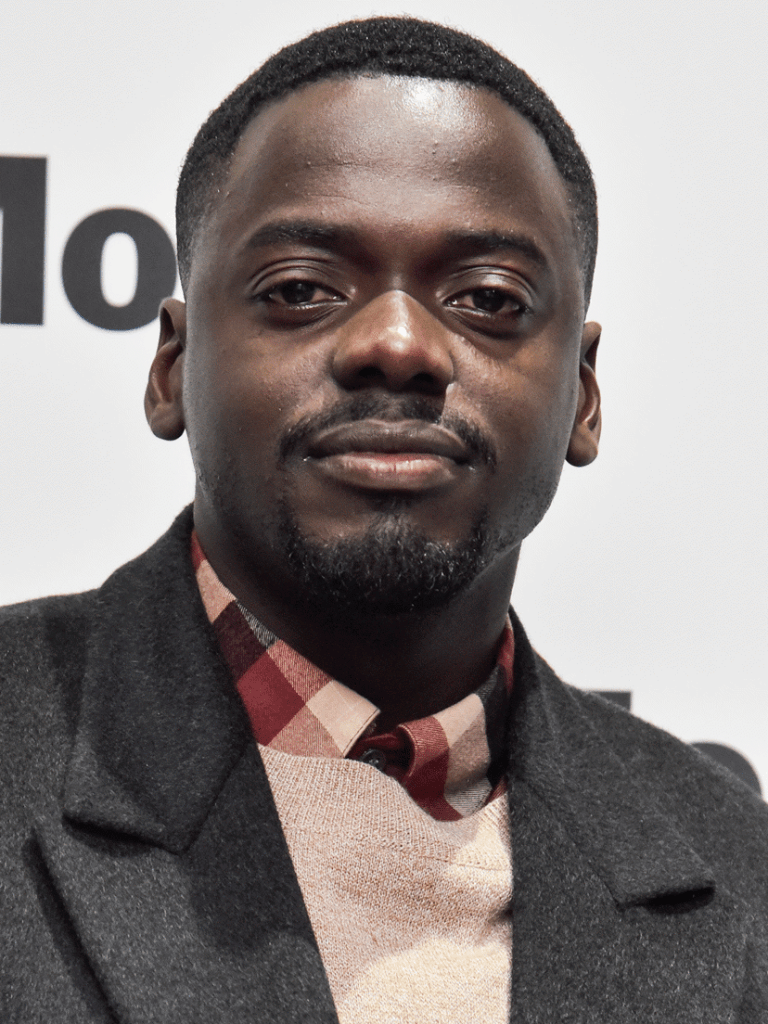
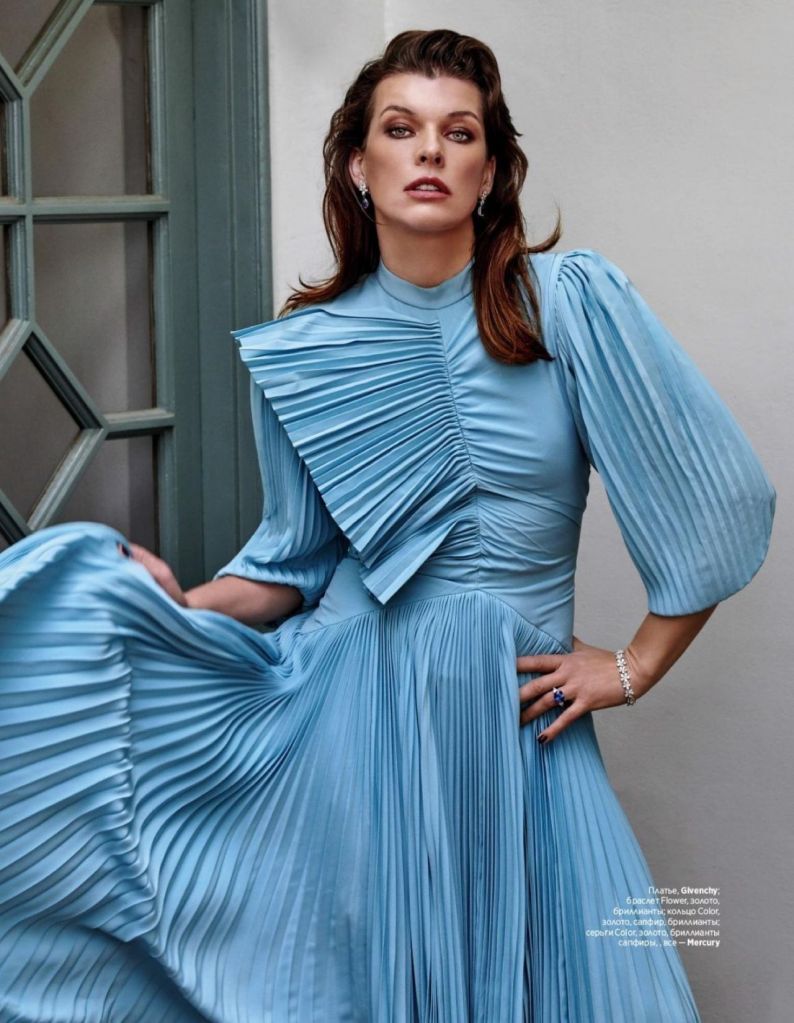
Richard Chizmar as our character named after him, Daniel Kaluuya as Kendrick, Milla Jovovich as Sheila, Gerardo Taracena as Ah-Puch, and Paulina Gaitan as Blood Maiden.

Meghan: If you had the choice to rewrite any of your books, which one would it be and why?

Sisters of Slaughter: We probably wouldn’t change much, we’re proud of our work so far.

Meghan: What would the main character in your latest story/book have to say about you?

Sisters of Slaughter: She would probably say we’re sadistic bitches. Haha.

Meghan: Did you hide any secrets in your books that only a few people will find?

Sisters of Slaughter: There aren’t really any secrets other than a few scenes were taken from nightmares we’ve actually had.

Meghan: How much of yourself do you put in your books?

Sisters of Slaughter: We add a little bit of our sick humor to most of our manuscripts.

Meghan: Are your characters based off real people, or did they all come entirely from your imagination?

Sisters of Slaughter: Mostly imagination, but there are a few modeled after people we’ve known in real life.

Meghan: How do you think you’ve evolved creatively?

Sisters of Slaughter: With each book we write we feel our writing has gotten better from a technical standpoint.

Meghan: What is the most difficult part of your artistic process?

Sisters of Slaughter: The most difficult part of our process is just making time. There’s never a perfect time to write, we just dive in and do the best we can amidst noisy children and all that.

Meghan: Does writing energize or exhaust you?

Sisters of Slaughter: The act of writing can be exhausting and most of the time right afterwards you feel drained but after you sit back and look at what you accomplished then you get a burst of energy, you get the feeling you can concur anything.

Meghan: Do you read your book reviews? How do you deal with the bad ones? Have you ever learned something from a negative review and incorporated it into your writing?

Sisters of Slaughter: We read them when we get time but we don’t obsess over them. Anything constructive we take it to heart and try to remember it but anything based only on opinion, like someone saying they don’t like our books, we let that roll off. We appreciate ALL reviews no matter what.

Meghan: What are your ambitions for your writing career? What does “literary success” look like to you?

Sisters of Slaughter: We just want to keep pushing ourselves to make our names bigger. We already feel really accomplished because our objective when we decided to try getting accepted was just to get published and we have been by some of the best in our community. We’re really happy so far, just gotta keep hustling.

Facebook ** Twitter